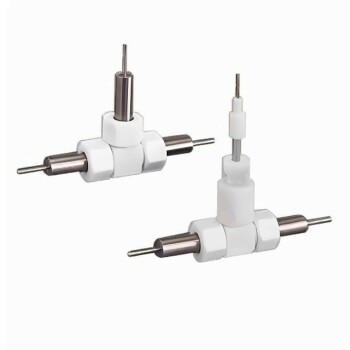
The primary function of electrolytic cells or electrodeposition equipment in the post-treatment of bioleaching is the selective separation of specific metal components from complex liquid mixtures. These devices act as the final recovery stage, extracting dissolved metal ions from the leaching liquid and transforming them into solid, usable forms.
By precisely manipulating electrical parameters, this equipment converts a solution of mixed ions into high-purity solid metals. This not only recovers valuable resources but also regenerates the liquid electrolyte for future recycling.
The Mechanics of Selective Separation
Managing Mixed Metal Ions
Bioleaching solutions rarely contain just one type of metal; they are typically liquids containing mixed metal ions.
The core role of electrodeposition equipment is to sort through this mixture. It targets specific components for extraction rather than removing everything indiscriminately.
The Role of Electrical Control
Achieving this separation requires strict operational precision.
Operators must strictly control the current density and electrical potential applied to the cell. These electrical parameters dictate exactly which ions are pulled from the solution.
Recovering High-Value Resources
Deposition on the Cathode
Once the electrical parameters are set, the target metal ions migrate toward the cathode.
High-value metals, specifically copper, nickel, or cobalt, are deposited onto the cathode surface. They accumulate there, transitioning from a dissolved state into a solid state.
Elemental and Alloy Forms
The flexibility of this process allows for different end products.
Depending on the setup, the metals can be recovered in their pure elemental form or as specific alloys, ready for downstream commercial use.
System Efficiency and Trade-offs
Enabling Circularity
Beyond just recovering metal, this process serves a critical ecological function.
By removing the metal load, the process prepares the remaining electrolyte for recycling and reuse. This closes the loop, allowing the liquid to be returned to the beginning of the bioleaching cycle.
Operational Constraints
However, the efficacy of this equipment relies entirely on precision.
If the electrical potential is not controlled accurately, the system may deposit unwanted impurities alongside the target metal. This necessitates high-quality equipment and skilled monitoring to ensure the purity of the recovered resource.
Optimizing Metal Recovery Strategies
To maximize the value of your bioleaching operation, ensure your electrodeposition strategy aligns with your specific production goals.
- If your primary focus is maximum purity: Invest heavily in systems that offer granular control over electrical potential to avoid the co-deposition of unwanted trace metals.
- If your primary focus is process sustainability: Monitor the chemistry of the post-extraction electrolyte to ensure it is chemically balanced for immediate recycling into the leaching phase.
Effective electrodeposition turns a chemical solution into a tangible asset, serving as the bridge between raw extraction and marketable product.
Summary Table:
| Feature | Function in Bioleaching Post-Treatment |
|---|---|
| Core Objective | Selective separation of target metal ions from mixed solutions |
| Mechanism | Precise control of current density and electrical potential |
| Target Metals | Recovery of high-value Copper (Cu), Nickel (Ni), and Cobalt (Co) |
| End Products | High-purity elemental metals or specific alloys |
| Sustainability | Regeneration of liquid electrolyte for recycling and reuse |
Maximize Your Metal Recovery Efficiency with KINTEK
Transition from raw extraction to marketable assets with KINTEK’s advanced electrochemical solutions. Whether you are performing complex bioleaching research or industrial-scale separation, our high-precision electrolytic cells and electrodes provide the granular control necessary to ensure maximum purity and process circularity.
As experts in laboratory and processing equipment, KINTEK offers a comprehensive range of tools including crushing and milling systems, high-temperature furnaces, and high-pressure reactors to support every stage of your material science workflow.
Ready to optimize your resource recovery? Contact KINTEK today to discuss your custom solution.
References
- Xu Zhang, Tingyue Gu. Advances in bioleaching of waste lithium batteries under metal ion stress. DOI: 10.1186/s40643-023-00636-5
This article is also based on technical information from Kintek Solution Knowledge Base .
Related Products
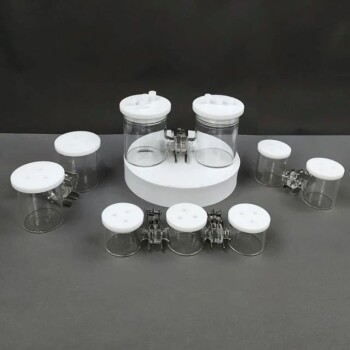
- PTFE Electrolytic Cell Electrochemical Cell Corrosion-Resistant Sealed and Non-Sealed
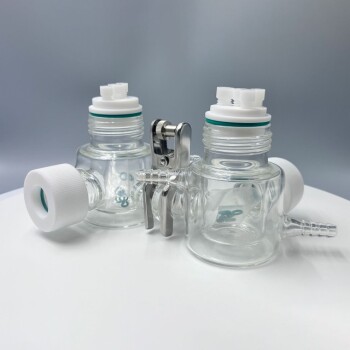
- Super Sealed Electrolytic Electrochemical Cell
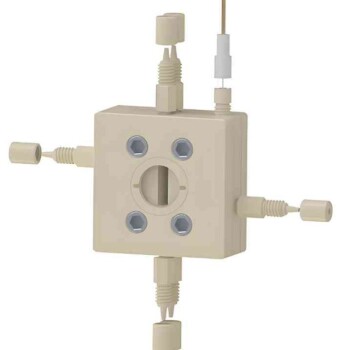
- Electrolytic Electrochemical Cell with Five-Port
- H Type Electrolytic Cell Triple Electrochemical Cell
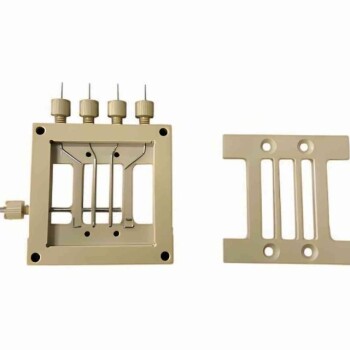
- Electrolytic Electrochemical Cell Gas Diffusion Liquid Flow Reaction Cell
People Also Ask
- What is the necessity of selecting a PTFE electrolytic cell? Ensure Precise Graphene Corrosion Testing Accuracy
- What is the proper method for cleaning the surface of an all-PTFE electrolytic cell? Ensure Accurate Results with a Pristine Surface
- How should an all-PTFE electrolytic cell be stored after use? Expert Maintenance Tips for Long-Lasting Performance
- What is the proper cleaning method for an all-PTFE electrolytic cell? Essential Tips for Surface Integrity
- What are the standard opening specifications for all-PTFE electrolytic cells? A Guide to Sealed vs. Non-Sealed Ports