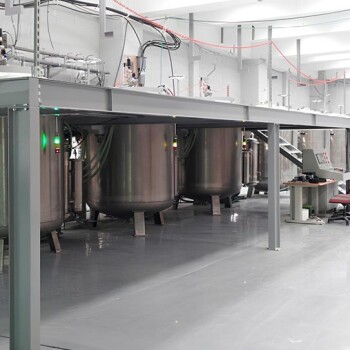
The primary function of large-scale resistance furnaces in the Acheson process is to serve as the central reaction vessel for the high-volume synthesis of silicon carbide. By utilizing a graphite core to generate intense resistive heating, these furnaces drive the essential reduction reaction between silica sand and carbon powder to produce coarse crystals.
The resistance furnace is the technological cornerstone of the global silicon carbide industry. It transforms raw geological inputs into valuable industrial materials by maintaining the extreme thermal environment required for cost-effective, large-scale reduction.
The Mechanics of Synthesis
The Role of the Graphite Core
The furnace operates by passing high-power electricity through a graphite core. This core acts as a resistor, converting electrical energy directly into intense thermal energy. This mechanism is the heartbeat of the system, providing the necessary heat source for the surrounding materials.
Driving the Reduction Reaction
The heat generated by the core causes a chemical transformation in the surrounding mixture of silica sand and carbon powder. This high-temperature environment facilitates a reduction reaction. Through this process, the oxygen is removed from the silica, allowing silicon and carbon to bond.
Production of Coarse Crystals
The direct result of this thermal process is the formation of coarse Silicon Carbide crystals. This specific output form is the standard raw material for industrial applications. The furnace design ensures that this crystallization happens consistently across a large volume of material.
Why This Configuration Dominates Industry
Unmatched Scalability
These furnaces are designed explicitly for large-scale production. The method allows manufacturers to process massive quantities of raw materials in a single run. This scalability makes it the primary method for meeting global demand.
Economic Viability
The Acheson process remains the dominant choice because it is cost-effective. By utilizing relatively abundant raw materials (sand and carbon) and a scalable heating method, it keeps the cost per ton of industrial-grade silicon carbide viable for widespread market use.
Understanding the Trade-offs
Nature of the Output
It is important to note that this process produces industrial-grade, coarse crystals. While efficient for bulk material production, the output typically requires further processing (crushing, milling, or purification) depending on the final application. The furnace is optimized for volume and yield rather than creating finished, precision components directly.
Making the Right Choice for Your Goal
When evaluating the Acheson process and resistance furnaces for your operations, consider the following:
- If your primary focus is Mass Production: Reliance on large-scale resistance furnaces is essential for achieving the volume and cost structures required for global competitiveness.
- If your primary focus is Material Sourcing: Understand that the output from these furnaces is a raw, coarse feedstock that serves as the foundation for downstream manufacturing, not a final product.
The resistance furnace remains the definitive tool for converting basic raw elements into the backbone of the silicon carbide market.
Summary Table:
| Feature | Description of Function in Acheson Process |
|---|---|
| Core Mechanism | Graphite core acts as a resistor to generate intense thermal energy via electricity. |
| Chemical Reaction | Facilitates the high-temperature reduction of silica sand with carbon powder. |
| Primary Output | Produces high volumes of coarse Silicon Carbide (SiC) crystals. |
| Key Benefit | Enables cost-effective, large-scale industrial production of raw SiC materials. |
| Material Processing | Converts raw geological inputs into industrial-grade feedstock for downstream use. |
Elevate Your Material Synthesis with KINTEK
Are you looking to scale your industrial production or refine your laboratory research? KINTEK specializes in advanced laboratory equipment and consumables, providing the precision and durability required for high-stakes thermal processing.
Whether you need robust high-temperature furnaces (muffle, tube, vacuum, or induction melting), precision crushing and milling systems to process your coarse crystals, or high-temperature high-pressure reactors, we have the expertise to support your workflow. From PTFE products and ceramics to specialized hydraulic presses, our solutions are designed to help target customers like you achieve superior material quality and operational efficiency.
Ready to optimize your synthesis process? Contact us today to explore our comprehensive portfolio and expert solutions!
References
- Hidehiko Tanaka. Silicon carbide powder and sintered materials. DOI: 10.2109/jcersj2.119.218
This article is also based on technical information from Kintek Solution Knowledge Base .
Related Products
- Silicon Carbide SiC Thermal Heating Elements for Electric Furnace
- Spark Plasma Sintering Furnace SPS Furnace
- Mesh belt controlled atmosphere furnace
- High Temperature Muffle Oven Furnace for Laboratory Debinding and Pre Sintering
- Graphite Vacuum Furnace Bottom Discharge Graphitization Furnace for Carbon Materials
People Also Ask
- What is the function of the heating element in a furnace? The Engine of Your Thermal Process
- What is the best heating element for a furnace? A Guide to Selecting the Right Material for Your Temperature Needs
- What is SiC elements? The Ultimate High-Temperature Heating Solution
- How long does a heating element last on the furnace? Understand Lifespan & Safety for Your System
- What are silicon carbide heating elements used for? Reliable High-Temp Heating for Industrial Processes