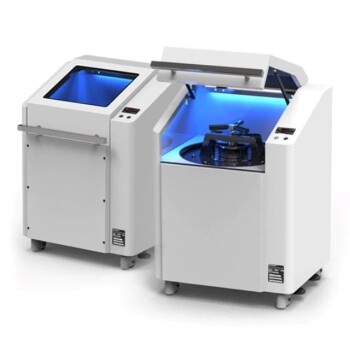
The primary technical value of industrial crushing systems in WEEE recycling is the maximization of material reactivity through precise physical size reduction. By processing complex components like circuit boards and memory sticks into fine particles (typically 1 to 5 mm), these systems drastically increase the specific surface area of the material. This physical transformation creates a larger contact interface, which is the critical prerequisite for optimizing the speed and efficiency of subsequent chemical leaching processes.
Core Takeaway Mechanical crushing is not merely about waste disposal; it is an activation step for chemical recovery. By breaking down complex electronics into high-surface-area particulates, crushing systems bridge the gap between physical waste and chemical feedstock, directly enabling faster and more complete metal dissolution.
The Mechanics of Size Reduction
Targeting the 1–5 mm Range
The primary objective of the pre-treatment stage is to reduce bulky electronic waste into uniform particles, generally ranging from 1 to 5 mm in size.
This specific size range is optimal for handling and processing. It ensures that the material is small enough to interact effectively with chemical agents but large enough to avoid the handling issues associated with ultrafine dust.
Dismantling Laminated Structures
Electronic devices, particularly printed circuit boards, consist of complex, laminated structures.
Industrial crushing applies intense mechanical force—often utilizing collision and shear forces—to physically deconstruct these layers. This process liberates the fundamental components, separating metal frames and circuitry from their plastic substrates.
Increasing Specific Surface Area
The most significant outcome of this physical breakdown is the exponential increase in specific surface area.
A solid block of material has limited exposure to its environment. By fragmenting that block into thousands of millimeter-scale particles, the total area available for reaction multiplies significantly without changing the total mass of the material.
Enhancing Chemical Efficiency
Creating a Contact Interface
The efficiency of hydrometallurgical recovery (chemical extraction) relies heavily on the interface between the solid metal and the liquid solvent.
Crushing provides a larger contact interface, ensuring that leaching agents can physically reach the valuable metal elements buried within the electronic waste.
Accelerating Dissolution Kinetics
Chemistry is driven by exposure. The increased surface area directly correlates to the dissolution efficiency of metal elements.
With more surface area exposed to the electrolyte or leaching solution, the chemical reaction proceeds at a markedly faster rate. This turns what would be a slow, inefficient soak into a rapid, high-yield recovery process.
Understanding the Trade-offs
The Challenge of Mixed Output
While crushing is essential for liberation, it results in a heterogeneous mixture of metals, plastics, and ceramics.
This creates a downstream requirement for sophisticated mechanical sorting systems (such as sieving or granulation machinery) to segregate these materials before they can be refined. The crushing process simplifies the chemistry but complicates the physical separation logic.
Energy vs. Particle Size
Achieving finer particle sizes (down to the micron scale) maximizes surface area but requires significantly higher energy inputs.
Operators must balance the energy cost of high-intensity crushing against the marginal gains in chemical leaching speed. The 1–5 mm range often represents the technical "sweet spot" between mechanical energy expenditure and chemical reactivity.
Making the Right Choice for Your Goal
To select the appropriate crushing strategy, you must define your downstream recovery objectives.
- If your primary focus is Chemical Leaching Efficiency: Prioritize systems that consistently produce particles in the 1–5 mm range to maximize the active reaction substrate for electrolyte solutions.
- If your primary focus is Physical Sorting: Ensure the crushing system utilizes sufficient shear force to fully delaminate components, allowing for clean separation of plastics from metal frames.
The ultimate value of an industrial crusher lies in its ability to transform an inert electronic device into a highly active chemical substrate.
Summary Table:
| Technical Aspect | Particle Size Range | Core Benefit | Impact on Recovery |
|---|---|---|---|
| Material Reactivity | 1 - 5 mm | Max surface area | Accelerates chemical dissolution kinetics |
| Structural Deconstruction | Variable | Layer delamination | Liberates metals from plastic substrates |
| Process Integration | 1 - 5 mm | Optimal interface | Bridges physical waste to chemical feedstock |
| Energy Efficiency | Millimeter scale | Balanced input | Optimizes energy cost vs. leaching yield |
Maximize Your Material Recovery with KINTEK Precision Systems
Are you looking to optimize your WEEE recycling or material processing workflow? KINTEK specializes in high-performance crushing and milling systems, sieving equipment, and advanced laboratory solutions designed to transform inert waste into high-value chemical feedstock.
From high-temperature furnaces and reactors to specialized PTFE and ceramic consumables, we provide the tools needed to bridge the gap between physical reduction and chemical extraction. Whether you are refining battery materials or processing electronic waste, our technical experts are ready to help you achieve superior dissolution rates and material purity.
Ready to enhance your lab's efficiency? Contact us today to find the perfect solution!
References
- H. Cesiulis, Н. Цынцару. Eco-Friendly Electrowinning for Metals Recovery from Waste Electrical and Electronic Equipment (WEEE). DOI: 10.3390/coatings13030574
This article is also based on technical information from Kintek Solution Knowledge Base .
Related Products
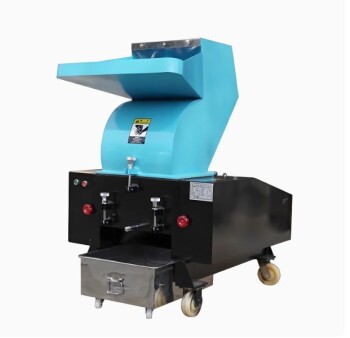
- Powerful Plastic Crusher Machine
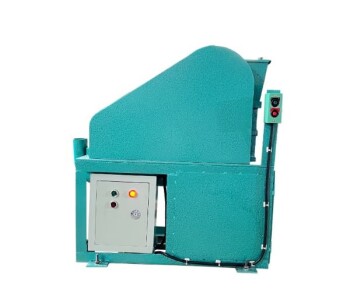
- Sealed Jaw Crusher High Efficiency Environmental Protection Safe and Reliable
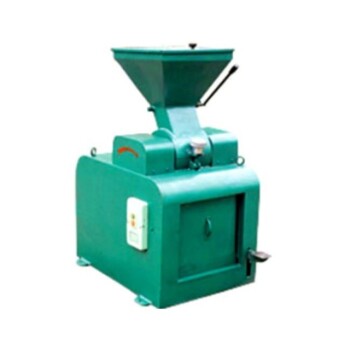
- Laboratory Jaw Crusher
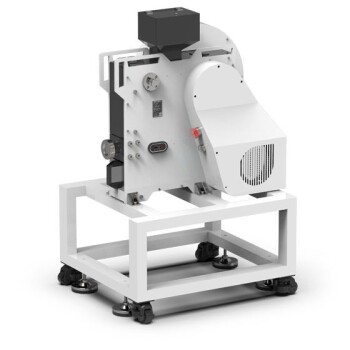
- Laboratory Sealed Hammer Crusher for Efficient Sample Preparation
- Laboratory Disc Cup Vibratory Mill for Sample Grinding
People Also Ask
- What is the primary purpose of using an industrial-grade grinder for flax straw? Optimize Biomass Pretreatment Now
- What is the primary function of a crushing system? Optimize Rice Husk Fractionation with Precise Size Reduction
- What is the primary function of industrial crushers in battery dismantling? Optimize Your Recovery Feedstock
- What are the contaminants in plastic pyrolysis oil? Manage Impurities for Commercial Success
- Why is it necessary to use an ultrasonic cell disruptor before yeast flow cytometry? Ensure Data Accuracy