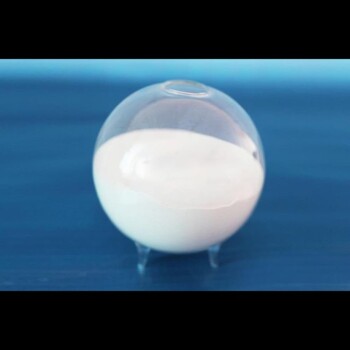
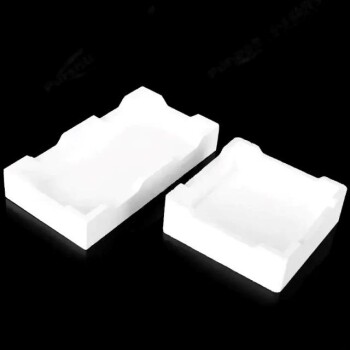
The combination of an alumina crucible and mother powder creates a controlled micro-environment essential for sintering Ga-LLZO. While the alumina crucible provides the necessary structural integrity for high temperatures, the mother powder acts as a sacrificial barrier, preventing the sample from reacting with the container and stopping the volatile lithium components from evaporating.
Core Insight: Sintering Ga-LLZO requires a delicate balance between high heat and chemical stability. The mother powder covering technique solves two critical problems simultaneously: it physically isolates the sample to prevent aluminum contamination and creates a lithium-rich atmosphere to maintain the material's precise chemical composition.
The Dual Protection Mechanism
Preventing Chemical Contamination
Standard alumina crucibles are robust, but they present a chemical risk to Ga-LLZO. At sintering temperatures, direct contact between the sample and the crucible can lead to a reaction where aluminum diffuses into the sample.
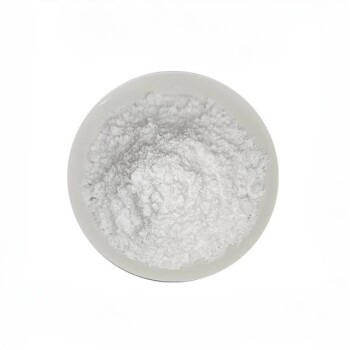
This introduces unwanted impurities that degrade the material's performance. The mother powder—which has the same composition as the sample—serves as a physical buffer. It ensures the sample never touches the crucible walls, preserving the phase purity of the final product.
Suppressing Lithium Volatility
Lithium is highly volatile at the elevated temperatures required for sintering. Without protection, lithium atoms will evaporate from the surface of the Ga-LLZO pellet.
This loss disrupts the stoichiometry (the precise ratio of elements) of the material. By burying the sample in mother powder, you create a localized vapor pressure equilibrium. The sacrificial powder loses lithium instead of the critical sample, ensuring the sample retains the correct chemical makeup.
Understanding the Process Context
The Role of the Crucible
The alumina crucible is primarily a structural vessel. It is chosen for its ability to withstand the extreme heat required for densification.
However, as noted in high-temperature solid-phase reactions, alumina is not chemically inert regarding LLZO. Unlike zirconia crucibles, which are chemically stable enough to prevent reactions without a barrier, alumina requires the mother powder technique to be viable for this specific application.
The Goal of Sintering
The ultimate goal of this process is to reduce porosity and enhance electrical conductivity. This requires high heat to bond the particles together.
The mother powder technique allows you to achieve these structural benefits without sacrificing the chemical integrity of the material due to the harsh thermal environment.
Critical Trade-offs and Considerations
Material Waste vs. Purity
The primary trade-off of this technique is material efficiency. The mother powder is essentially "sacrificial" material that cannot be reused for high-performance applications.
You are trading raw material costs for guaranteed stoichiometry. In contexts where phase purity is paramount—such as solid-state battery electrolytes—this cost is justified.
Thermal Consistency
While the powder protects the sample, it also acts as a thermal insulator.
This requires careful tuning of the sintering profile (ramp rates and dwell times) to ensure the heat penetrates the powder bed evenly and the sample creates a uniform grain structure.
Making the Right Choice for Your Goal
When designing your sintering protocol for Ga-LLZO, consider your specific constraints regarding purity and equipment.
- If your primary focus is maximum phase purity: Utilize the mother powder technique generously to ensure zero contact with the alumina crucible and minimal lithium loss.
- If your primary focus is equipment longevity: Continue using alumina crucibles for their thermal shock resistance, but strictly maintain the powder barrier to prevent the crucible from degrading due to chemical attack from the lithium.
Ultimately, the mother powder technique transforms a standard alumina crucible into a high-precision tool capable of producing chemically accurate Ga-LLZO ceramics.
Summary Table:
| Feature | Role of Alumina Crucible | Role of Mother Powder Covering |
|---|---|---|
| Primary Function | Structural vessel for high-temp stability | Chemical buffer and sacrificial barrier |
| Contamination Control | Provides containment (risk of Al-diffusion) | Prevents direct contact to ensure phase purity |
| Lithium Retention | N/A | Creates vapor pressure to stop Li-volatility |
| Stoichiometry | Indirectly maintained via containment | Directly preserved by maintaining element ratios |
| Process Impact | High thermal shock resistance | Acts as insulation (requires profile tuning) |
Elevate Your Materials Research with KINTEK Precision
Don't let lithium volatility or alumina contamination compromise your solid-state electrolyte performance. KINTEK specializes in advanced laboratory equipment and high-purity consumables designed for the most demanding sintering protocols.
Whether you need robust high-temperature muffle or tube furnaces, specialized alumina and zirconia crucibles, or precision hydraulic pellet presses for Ga-LLZO preparation, we provide the tools that guarantee stoichiometry and phase purity. From battery research tools to high-temperature high-pressure reactors, our team is ready to support your laboratory's efficiency and innovation.
Ready to optimize your sintering process? Contact KINTEK today for a customized solution!
Related Products
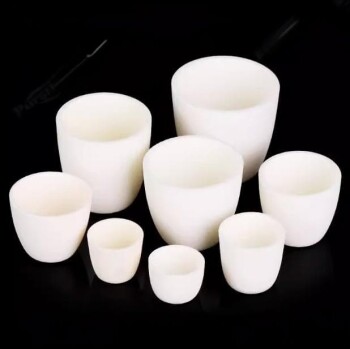
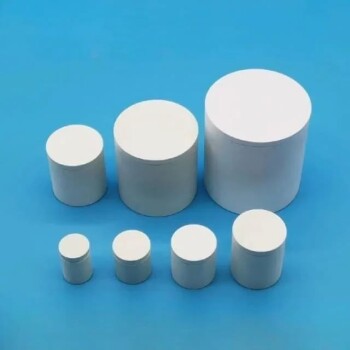
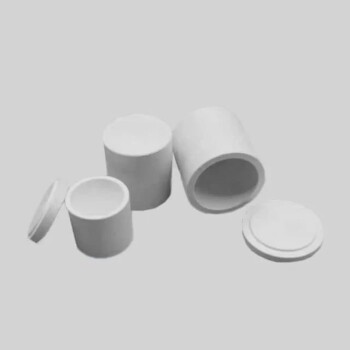
- Engineering Advanced Fine Ceramics Alumina Al2O3 Crucible With Lid Cylindrical Laboratory Crucible
- Engineering Advanced Fine Ceramics Alumina Crucibles (Al2O3) for Thermal Analysis TGA DTA
- Engineering Advanced Fine Alumina Al2O3 Ceramic Crucible for Laboratory Muffle Furnace
- Arc-Shaped Alumina Ceramic Crucible High Temperature Resistant for Engineering Advanced Fine Ceramics
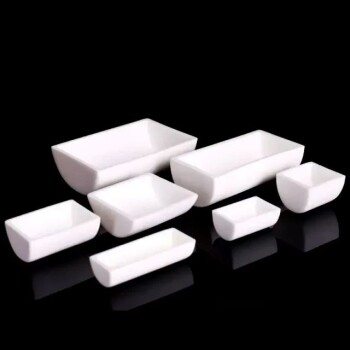
- Ceramic Evaporation Boat Set Alumina Crucible for Laboratory Use
People Also Ask
- Why are high-purity alumina crucibles used for liquid lead corrosion experiments? Ensure Data Accuracy at 550°C
- Why are alumina crucibles and mother powder essential for LATP sintering? Optimize Your Solid Electrolyte Performance
- What is the primary purpose of using alumina crucibles for LLTO ceramics? Optimize Your High-Temperature Sintering
- Why Use Alumina Crucibles & Powder Burial for NaSICON? Ensure Phase Purity and Prevent Elemental Volatilization
- Why are alumina crucibles used as containers during the tungsten diffusion coating process on diamond surfaces?