In the post-treatment phase of cellulose citrate production, the laboratory drying oven functions as the critical stabilization unit. It maintains a continuous, temperature-controlled environment—typically set at 70 °C—to systematically purge the material of remaining impurities. Through controlled hot air circulation, the device removes trace moisture and residual volatile washing agents, ensuring the final product is a stable solid.
By effectively eliminating volatile residuals, the drying oven converts processed cellulose citrate into a usable, stable solid. This step is essential for preparing the material for downstream high-performance applications, such as adsorbents or reinforcing fillers.
The Mechanism of Purification
Controlled Thermal Environment
The primary function of the oven is to provide a strictly regulated thermal environment.
By maintaining a steady temperature of 70 °C, the oven ensures that the drying process is consistent throughout the entire batch. This stability prevents fluctuations that could lead to uneven drying or material degradation.
Removal of Volatiles
The process relies on controlled hot air circulation to target specific impurities.
This airflow is designed to thoroughly strip away trace moisture that remains after the initial washing phases. Simultaneously, it evaporates and removes residual volatile washing agents, which are chemical byproducts that must be eliminated to achieve purity.
Ensuring Material Stability
The end goal of this thermal treatment is the production of a "stable solid product."
Without this thorough drying phase, the cellulose citrate could retain moisture or solvents that compromise its structural integrity. The oven ensures the material is chemically and physically stable before it moves to application testing.
Operational Considerations and Trade-offs
The Necessity of Circulation
While temperature is important, the "controlled hot air circulation" is the active mechanism of removal.
Static heat alone might trap moisture pockets within the cellulose structure. Active circulation ensures that heat penetrates the material evenly and that evaporated volatiles are efficiently carried away from the product surface.
Balancing Heat and Integrity
The standard setting of 70 °C represents a calculated balance.
It is high enough to effectively volatilize washing agents and moisture but controlled enough to preserve the cellulose citrate structure. Deviating significantly from this temperature could result in incomplete drying (too low) or potential thermal damage (too high).
Making the Right Choice for Your Goal
To ensure your cellulose citrate is ready for its intended application, verify that your drying protocols align with the material's end-use requirements.
- If your primary focus is Material Purity: Ensure the oven maintains a strict 70 °C profile to fully drive off residual washing agents without degrading the sample.
- If your primary focus is Application Testing: Confirm that the "stable solid product" has reached a constant weight before utilizing it as an adsorbent or reinforcing filler.
Proper post-treatment drying is the difference between a raw experimental compound and a functional industrial material.
Summary Table:
| Feature | Role in Cellulose Citrate Post-Treatment |
|---|---|
| Temperature Setting | Strictly maintained at 70 °C to prevent degradation while ensuring evaporation |
| Mechanism | Controlled hot air circulation for uniform heat penetration and volatile removal |
| Impurity Removal | Eliminates trace moisture and residual volatile washing agents |
| End Result | Converts raw material into a chemically and physically stable solid product |
| Applications | Prepares material for use as high-performance adsorbents or reinforcing fillers |
Elevate Your Material Research with KINTEK Precision
Achieving the perfect stable solid in cellulose citrate production requires uncompromising thermal control. KINTEK specializes in high-performance laboratory equipment designed to meet the rigorous demands of advanced material science. From our precision laboratory drying ovens and high-temperature furnaces (muffle, vacuum, and tube) to our specialized high-temperature high-pressure reactors and autoclaves, we provide the tools necessary for superior purification and stabilization.
Whether you are developing next-generation adsorbents or conducting battery research, our comprehensive portfolio—including PTFE consumables, ceramics, and crushing systems—ensures your lab operates at peak efficiency.
Ready to optimize your post-treatment protocols? Contact our experts today to find the perfect solution for your research and production needs.
References
- Isabella Romeo, Antonio De Nino. Totally green cellulose conversion into bio-oil and cellulose citrate using molten citric acid in an open system: synthesis, characterization and computational investigation of reaction mechanisms. DOI: 10.1039/d0ra06542k
This article is also based on technical information from Kintek Solution Knowledge Base .
Related Products
- Laboratory Scientific Electric Heating Blast Drying Oven
- 56L Vertical Laboratory Vacuum Drying Oven
- 23L Laboratory Vacuum Drying Oven
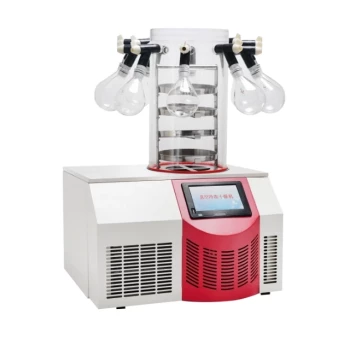
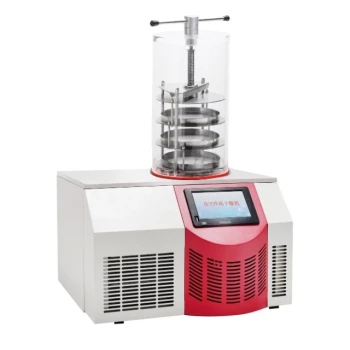
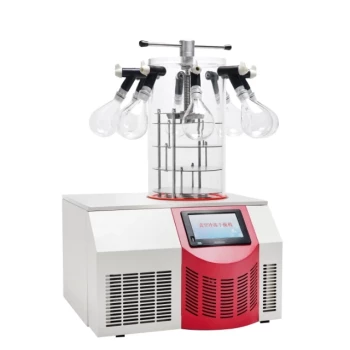
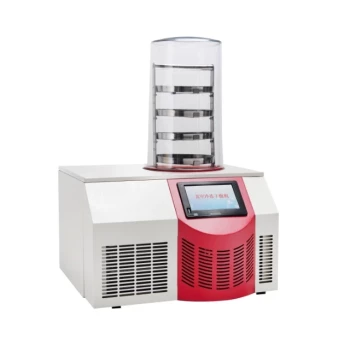
- High Performance Laboratory Freeze Dryer
- High Performance Laboratory Freeze Dryer for Research and Development
People Also Ask
- How does a laboratory electric drying oven contribute to the formation of the initial coating? Expert Insights
- What role does a precision laboratory drying oven play in the synthesis of GO-PANI nanocomposites? Protect Material Integrity
- What role does a laboratory drying oven play in the preparation of zinc oxide nanoparticle precursors?
- What is the necessity of using a laboratory drying oven when processing MoO3/GO composite nanopowders? Find out here.
- Why is a laboratory drying oven essential for biomass liquefaction? Ensure Accurate Conversion Rate Calculations