High-temperature laboratory muffle or tube furnaces serve as the primary instrument for engineering the microstructure of ceramic monolith supports. They provide a strictly controlled thermal environment that drives essential chemical phase transformations, specifically converting pseudoboehmite into gamma-alumina, while simultaneously dehydrating and crystallizing binders to stabilize the material's physical form.
The core function of these furnaces is not merely drying, but precision structural engineering. By manipulating temperatures between 550°C and 850°C, researchers determine the final balance between the support's mechanical durability and its capacity to host catalysts.
Driving Critical Phase Transformations
Converting Material Phases
The most fundamental role of the furnace is to facilitate the transition of material phases.
For ceramic supports, this specifically involves driving the transformation of pseudoboehmite into gamma-alumina. This chemical shift is essential for creating a support that is chemically stable enough for reactor environments.
Dehydration and Crystallization
Beyond the primary phase change, the heat treatment targets the binder materials holding the monolith together.
The furnace environment ensures the complete dehydration and subsequent crystallization of these binders. This process locks the geometric structure of the monolith in place, preventing deformation during later use.
Engineering Pore Structure and Surface Chemistry
Defining Pore Architecture
The thermal profile directly dictates the physical landscape of the ceramic support.
By adjusting the calcination parameters, researchers can fine-tune the pore size distribution and specific surface area. This creates the necessary surface "real estate" where the active catalyst will eventually reside.
Releasing Mesoporous Channels
In advanced applications, these furnaces are used to remove organic templates introduced during synthesis.
For example, a furnace set to 600°C can pyrolyze and remove organic surfactants (such as P123). This process clears the blockage, effectively "releasing" the mesoporous channels to make them accessible for chemical reactions.
Understanding the Trade-offs: Precision Control
The Optimal Temperature Window
Achieving the desired material properties requires strict adherence to a specific temperature range, typically between 550°C and 850°C.
Operating outside this window can result in incomplete phase transitions (too low) or the collapse of pore structures (too high).
Balancing Durability vs. Loading Capacity
There is an inherent trade-off in the calcination process that the furnace helps manage.
Higher temperatures generally improve mechanical durability and crystallinity (such as inducing TiO2 rutile phases). However, pushing temperatures too high can reduce the specific surface area, thereby lowering the catalyst loading capacity. The furnace allows researchers to find the exact thermal "sweet spot" to optimize this ratio.
Equipment Design Considerations
Ensuring Sample Purity
A key feature of muffle furnaces is their ability to isolate the sample from the heat source.
Designed with materials like fire-clay or brickwork, they ensure the heat source does not make direct contact with the ceramic support. This prevents combustion byproducts from contaminating the sensitive surface chemistry of the monolith.
Making the Right Choice for Your Goal
When establishing your calcination protocol, your specific end-goal should dictate your thermal parameters.
- If your primary focus is maximizing Catalyst Loading: Prioritize temperatures that preserve the highest possible specific surface area and pore volume, likely at the lower end of the effective calcination range (near 550°C).
- If your primary focus is Mechanical and Thermal Stability: Target higher temperatures (e.g., 600°C+) to ensure complete crystallization, removal of amorphous components, and the development of robust phases like rutile.
Success in catalyst preparation relies on viewing the furnace not as a heater, but as a precision tool for controlling the architecture of your material.
Summary Table:
| Process Objective | Temperature Range | Key Outcome |
|---|---|---|
| Phase Transformation | 550°C - 850°C | Converts pseudoboehmite into stable gamma-alumina |
| Structural Stability | > 600°C | Dehydration/crystallization of binders for mechanical durability |
| Pore Engineering | Variable | Fine-tunes surface area and releases mesoporous channels |
| Organic Removal | ~ 600°C | Pyrolysis of templates (e.g., P123) to clear pore blockages |
| Purity Control | N/A | Isolation from heat source prevents chemical contamination |
Elevate Your Material Research with KINTEK Precision
Unlock the full potential of your catalyst supports with KINTEK’s industry-leading thermal solutions. Whether you are engineering complex pore architectures or ensuring robust phase stability, our high-temperature muffle and tube furnaces provide the precise control required for critical calcination processes.
Beyond furnaces, KINTEK specializes in a comprehensive range of laboratory equipment including crushing and milling systems, high-pressure reactors, and battery research tools designed to meet the rigorous demands of modern material science.
Ready to optimize your lab’s efficiency? Contact us today to discover how our specialized equipment and high-performance consumables can transform your research outcomes.
References
- Raquel Portela, Marco Haumann. Tailored monolith supports for improved ultra-low temperature water-gas shift reaction. DOI: 10.1039/d1re00226k
This article is also based on technical information from Kintek Solution Knowledge Base .
Related Products
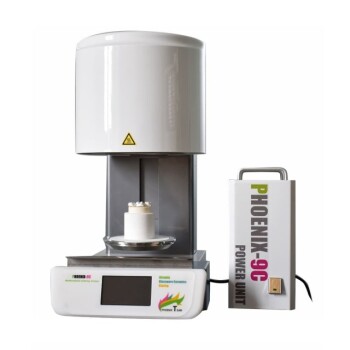
- Dental Porcelain Zirconia Sintering Ceramic Furnace Chairside with Transformer
- Dental Porcelain Zirconia Sintering Ceramic Vacuum Press Furnace
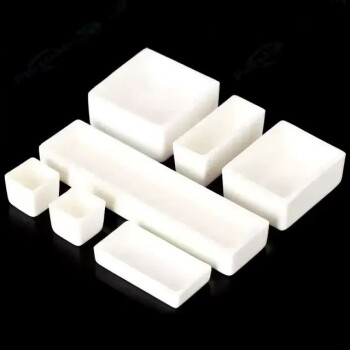
- Engineering Advanced Fine Alumina Al2O3 Ceramic Crucible for Laboratory Muffle Furnace
- High Temperature Alumina (Al2O3) Furnace Tube for Engineering Advanced Fine Ceramics
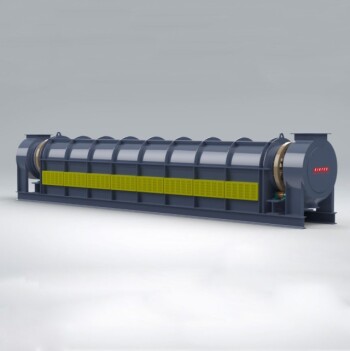
- Electric Rotary Kiln Pyrolysis Furnace Plant Machine Calciner Small Rotary Kiln Rotating Furnace
People Also Ask
- What is the price of zirconia sintering furnace? Invest in Precision, Not Just a Price Tag
- What is the shrinkage of zirconia during sintering? Mastering the 20-25% Dimensional Change
- What is the sintering temperature of zirconia ceramic? Mastering the 1400°C-1600°C Thermal Profile
- What does sintering do to zirconia? Unlock Its Full Strength and Aesthetic Potential
- What is the effect of different sintering process on flexural strength of translucency monolithic zirconia? Optimize Strength vs. Efficiency