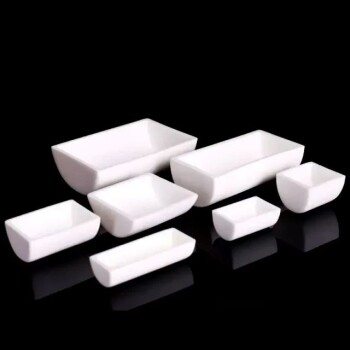
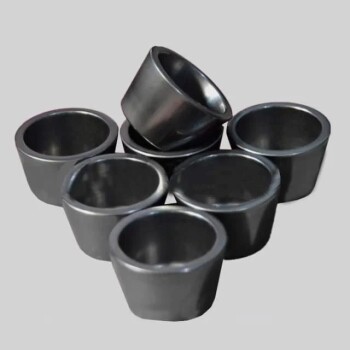
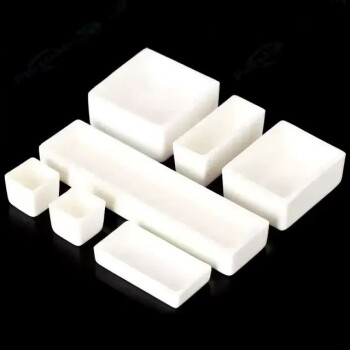
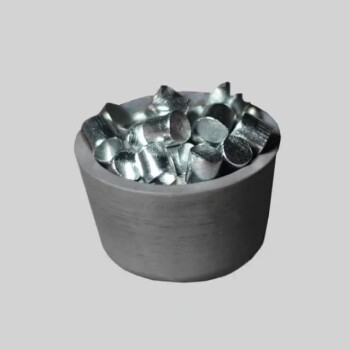
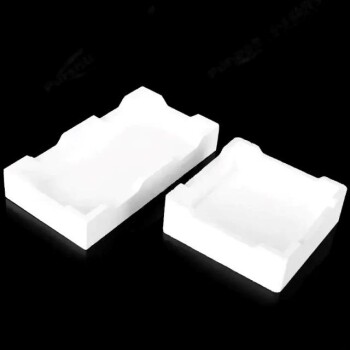
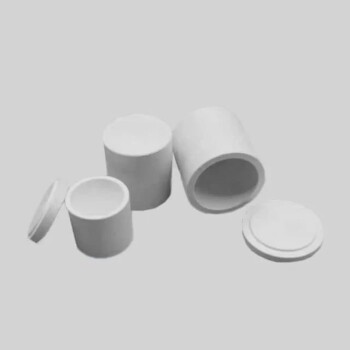
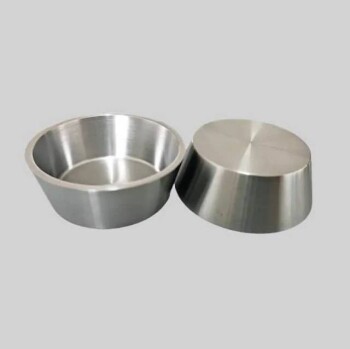
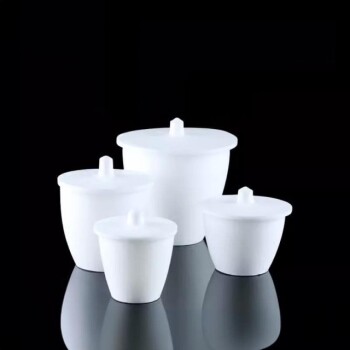
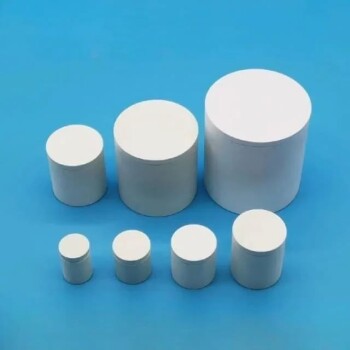
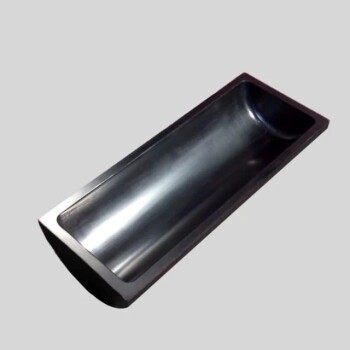
A corundum crucible serves as the essential, inert containment vessel that enables the synthesis of boron carbide and aluminum (B4C/Al) composites without contamination. It allows the process to reach required temperatures, such as 1473 K, while physically holding the B4C preform and molten aluminum. Its primary function is to resist erosion from the aggressive melt, ensuring the infiltration occurs purely through capillary action.
The value of a corundum crucible lies in its chemical stability; by refusing to react with molten aluminum, it guarantees the purity and structural integrity of the final composite material.
The Critical Functions of Corundum
To understand the crucible's role, one must look beyond simple containment. The success of pressureless infiltration relies on maintaining a pristine chemical environment under extreme conditions.
Withstanding Extreme Process Temperatures
The infiltration of aluminum into boron carbide requires significant thermal energy. The process is typically conducted at temperatures around 1473 K.
Corundum is selected specifically for its exceptional thermal stability. It maintains its structural integrity and shape even when subjected to these high thermal loads for extended periods.
Resisting Molten Erosion
Molten aluminum is highly aggressive and chemically active. It tends to erode or dissolve many standard containment materials.
Corundum possesses a high resistance to this specific type of erosion. It provides a robust barrier that contains the melt without degrading or breaking down during the soak time.
Preventing Matrix Contamination
The mechanical properties of the final B4C/Al composite depend heavily on purity. Any foreign elements introduced during synthesis can weaken the material.
Because corundum does not react with the melt, it prevents external impurities from leaching into the aluminum. This ensures the final composite chemistry remains consistent with the original design.
Enabling Uninterrupted Capillary Action
Pressureless infiltration relies on the natural physical force of capillary action to draw aluminum into the ceramic pores.
By providing a stable, non-reactive environment, the crucible ensures that surface tension and wetting angles are not altered by dissolved vessel material. This allows the aluminum to infiltrate the preform fully and uniformly.
Common Pitfalls and Considerations
While corundum is the ideal choice for this specific application, understanding why helps avoid processing errors.
The Consequence of Reactive Vessels
The most significant pitfall in infiltration processing is selecting a crucible material that reacts with the infiltrant.
If a less stable crucible were used, the molten aluminum would react with the vessel walls. This reaction would deplete the aluminum available for infiltration and introduce unwanted phases into the composite, compromising its strength.
Stability vs. Cost
High-purity corundum crucibles are precision tools. While they may represent a higher initial cost compared to lower-grade ceramics, their use is non-negotiable for high-performance composites.
Attempting to cut costs by using lower-grade crucibles often results in process failure due to thermal shock or chemical leaching at 1473 K.
Making the Right Choice for Your Process
When setting up a pressureless infiltration run for B4C/Al composites, your equipment choices define your success.
- If your primary focus is Material Purity: Prioritize high-grade corundum to eliminate the risk of external impurities altering the composite matrix.
- If your primary focus is Process Reliability: Rely on corundum’s thermal stability to withstand 1473 K temperatures without structural failure or deformation.
By securing a stable reaction environment, you ensure that the physics of capillary action can produce a flawless composite.
Summary Table:
| Feature | Role in B4C/Al Infiltration |
|---|---|
| Material Choice | High-purity Corundum (Alumina) |
| Temperature Limit | Sustains process requirements up to 1473 K |
| Chemical Inertness | Prevents contamination of the aluminum matrix |
| Erosion Resistance | Withstands aggressive molten aluminum melts |
| Mechanism Support | Ensures consistent capillary action for infiltration |
Elevate Your Composite Synthesis with KINTEK
Precision in material science requires equipment that can withstand the most aggressive environments. KINTEK specializes in high-performance laboratory solutions, providing the high-purity corundum and ceramic crucibles essential for successful pressureless infiltration and B4C/Al composite production.
Beyond specialized consumables, our comprehensive portfolio supports your entire research workflow, including:
- High-Temperature Furnaces: Muffle, vacuum, and atmosphere furnaces for precise thermal processing.
- Material Preparation: Crushing, milling, and sieving systems to ensure consistent preform quality.
- Advanced Reactors: High-temperature high-pressure reactors and autoclaves for complex synthesis.
- Processing Tools: Hydraulic presses for pellet and isostatic pressing of ceramic bodies.
Don't let vessel contamination compromise your material integrity. Contact KINTEK today to discover how our high-grade consumables and laboratory equipment can enhance your lab's efficiency and process reliability.
References
- Yao Liu, Y.X. Leng. Influence of B4C Particle Size on the Microstructure and Mechanical Properties of B4C/Al Composites Fabricated by Pressureless Infiltration. DOI: 10.3390/met13081358
This article is also based on technical information from Kintek Solution Knowledge Base .
Related Products
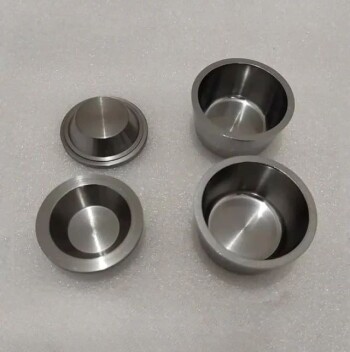
- Electron Beam Evaporation Coating Tungsten Crucible and Molybdenum Crucible for High Temperature Applications
- Electron Beam Evaporation Coating Gold Plating Tungsten Molybdenum Crucible for Evaporation
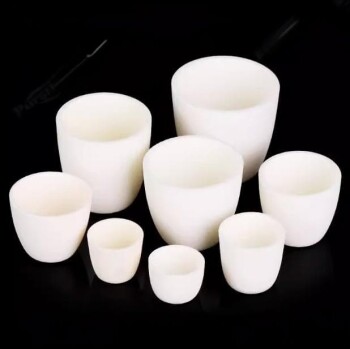
- Arc-Shaped Alumina Ceramic Crucible High Temperature Resistant for Engineering Advanced Fine Ceramics
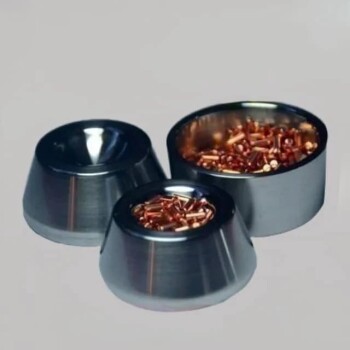
- Electron Beam Evaporation Coating Oxygen-Free Copper Crucible and Evaporation Boat
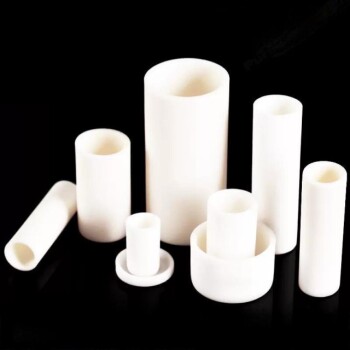
- Engineering Advanced Fine Ceramics Alumina Al2O3 Crucible With Lid Cylindrical Laboratory Crucible
People Also Ask
- What is the container that holds the metal source material called in e-beam evaporation? Ensure Purity and Quality in Your Thin-Film Deposition
- What materials are used in electron beam evaporation? Master High-Purity Thin Film Deposition
- What is the voltage of e-beam evaporation? Achieve Precise Thin-Film Deposition
- What are the applications of e-beam evaporation? Achieve High-Purity Coatings for Optics & Electronics
- What is e-beam evaporation? Achieve High-Purity Thin Film Deposition for Your Lab