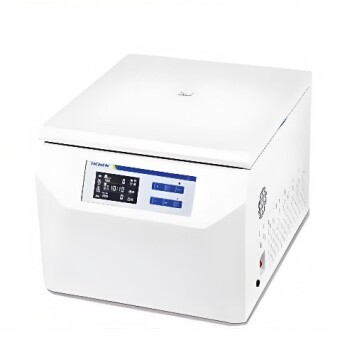
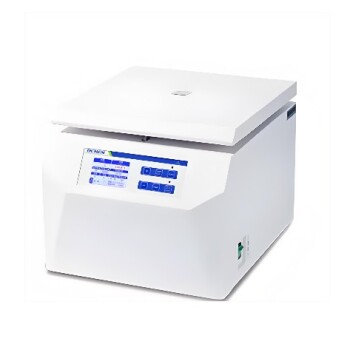
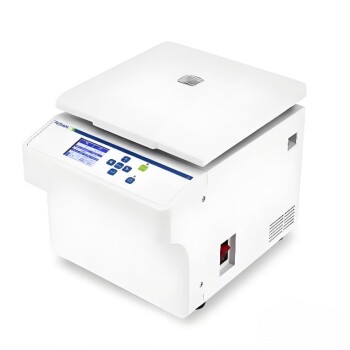
The Laboratory Centrifuge serves as the primary mechanism for solid-liquid separation in the production of succinic acid from waste paper.
It functions by applying centrifugal force to the fermentation broth, forcing solid byproducts—specifically microbial cells and residual waste paper fibers—to settle rapidly. This process isolates the clear liquid supernatant containing the succinic acid, which is a mandatory step before any analysis or purification can occur.
The centrifuge is the gateway between crude fermentation and refined product; it removes physical impurities (cells and fibers) that would otherwise compromise High-Performance Liquid Chromatography (HPLC) analysis and obstruct final purification.
The Mechanics of Separation
Segregating Broth Components
During the fermentation of waste paper, the mixture becomes a complex "broth" of solids and liquids.
The centrifuge is used to mechanically force these components apart. It targets the removal of two specific solid contaminants: the microbial cells used for fermentation and the residual waste paper fibers that were not broken down.
Creating the Clear Supernatant
The goal of this mechanical separation is to produce a "clear supernatant."
This liquid fraction contains the dissolved succinic acid. By sedimenting the solids, the centrifuge ensures that the liquid phase is free of particulate matter, which is essential for handling the product in subsequent stages.
Why Separation is Non-Negotiable
Enabling Accurate Quantification
The primary reference highlights that centrifugation is a critical prerequisite for product quantification.
To measure how much succinic acid has been produced, scientists typically use High-Performance Liquid Chromatography (HPLC). This sensitive analytical technique requires a particulate-free sample; injecting a cloudy broth containing fibers or cells would clog the instrument and invalidate the results.
Facilitating Product Recovery
Beyond analysis, the centrifuge prepares the bulk liquid for final processing.
You cannot purify succinic acid effectively if it is trapped within a sludge of paper fibers and biomass. The centrifugation step ensures that the downstream recovery equipment receives a clean liquid stream, streamlining the purification process.
Understanding the Trade-offs
The Risk of Incomplete Separation
While the centrifuge is effective, its operation is binary in this context: it either separates the solids, or it doesn't.
If the centrifugation is insufficient (too slow or too short), residual fibers will remain suspended in the supernatant. This immediately creates a bottleneck, as the presence of even microscopic solids prevents the use of HPLC for quantification and complicates the final purification steps described in the reference.
Making the Right Choice for Your Process
Successful succinic acid production relies on the quality of this separation step.
- If your primary focus is Process Analysis: Prioritize a high degree of clarity in the supernatant to protect your HPLC columns and ensure accurate data quantification.
- If your primary focus is Production Yield: Ensure the separation process effectively removes the bulk of waste paper fibers to maximize the volume of recoverble liquid product.
A well-executed centrifugation step is the only way to transition from raw waste fermentation to a quantifiable, purifiable chemical product.
Summary Table:
| Feature | Role in Succinic Acid Production | Impact on Process Quality |
|---|---|---|
| Mechanism | Solid-liquid separation via centrifugal force | Removes microbial cells and residual paper fibers |
| Primary Output | Clear supernatant creation | Ensures particulate-free liquid for downstream stages |
| Analytical Value | Prerequisite for HPLC quantification | Prevents instrument clogging and ensures accurate data |
| Recovery Goal | Impurity removal (cells/fibers) | Streamlines final purification and maximizes yield |
Optimize Your Biochemical Research with KINTEK Precision
Transitioning from crude fermentation to a refined chemical product requires reliable separation technology. KINTEK specializes in high-performance laboratory equipment designed to meet the rigorous demands of waste-to-value research.
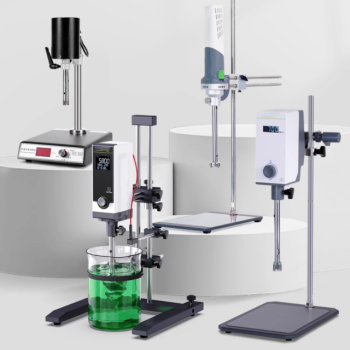
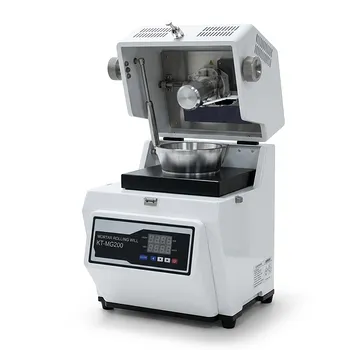
Whether you are producing succinic acid or conducting advanced biomass studies, our comprehensive range of laboratory centrifuges, crushing and milling systems, and homogenizers ensures your samples are perfectly prepared for HPLC analysis and purification.
Our value to you:
- Precision Separation: High-speed centrifugal solutions for crystal-clear supernatants.
- Durability: Robust equipment built for intensive lab environments.
- Complete Support: From cooling solutions like ULT freezers to essential PTFE consumables and ceramics.
Contact KINTEK today to upgrade your laboratory efficiency!
References
- Walainud Congthai, Kaemwich Jantama. Exploiting Mixed Waste Office Paper Containing Lignocellulosic Fibers for Alternatively Producing High-Value Succinic Acid by Metabolically Engineered Escherichia coli KJ122. DOI: 10.3390/ijms26030982
This article is also based on technical information from Kintek Solution Knowledge Base .
Related Products
- Laboratory Benchtop High Speed Small Centrifuge for Low Temp Serum Separation Dehydration Research
- Benchtop High Speed Small Lab Centrifuge for Serum Separation and Low Temperature Dehydration
- High-Speed Desktop Centrifuge for Blood Sample Processing
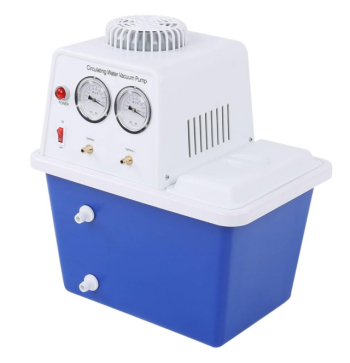
- Circulating Water Vacuum Pump for Laboratory and Industrial Use
- Laboratory Test Sieves and Sieving Machines
People Also Ask
- How is a benchtop laboratory centrifuge used in the desorption and regeneration of composite adsorbent beads?
- What is the primary function of a laboratory centrifuge? Master PAAMP-b-PVK Block Copolymer Purification
- What does the centrifuge do to the solution? Separate Components with High-Speed Centrifugal Force
- How does a centrifuge separate particles? Master the Science of High-Speed Separation
- How does the centrifuge process work? Unlock Rapid Separation for Your Lab