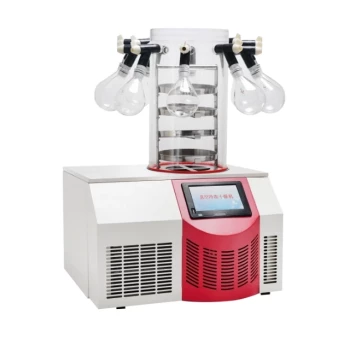
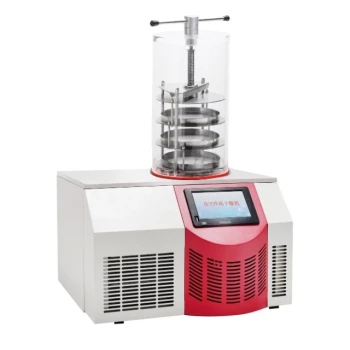
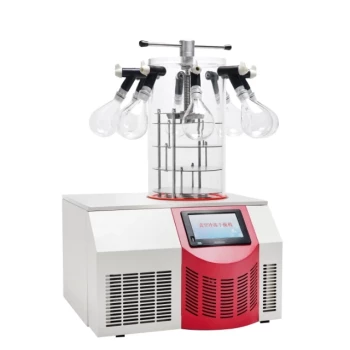
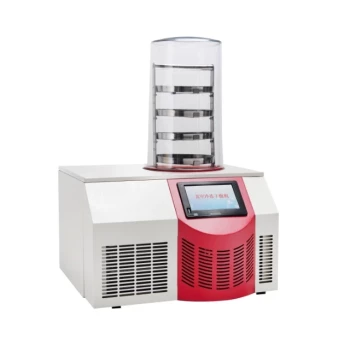
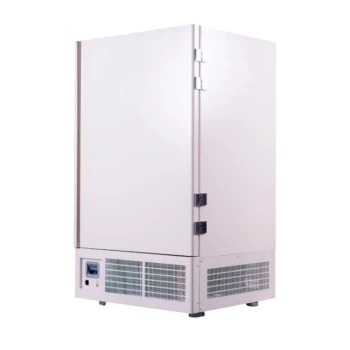
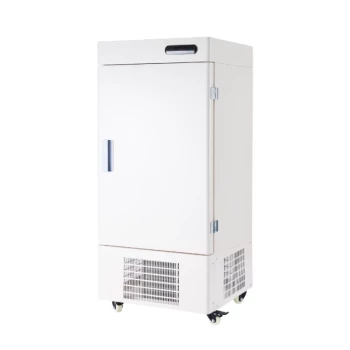
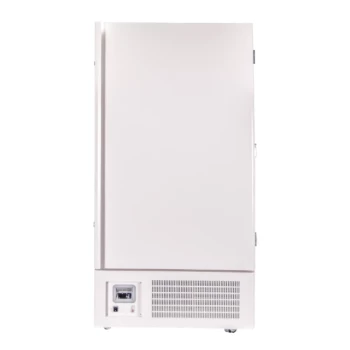
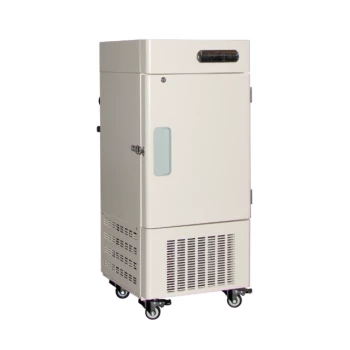
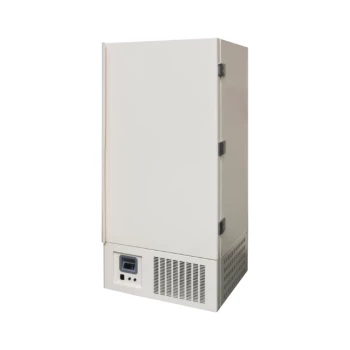
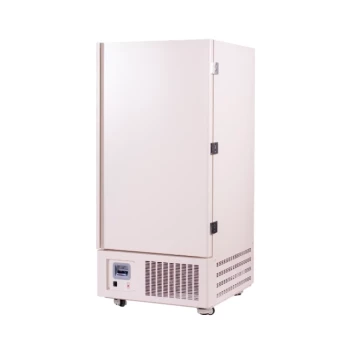
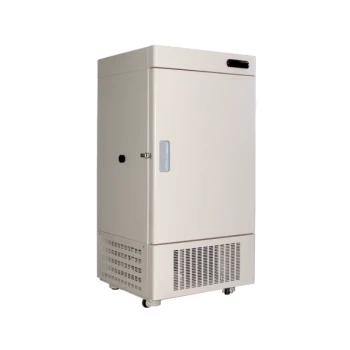
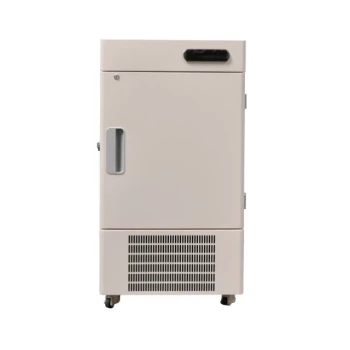
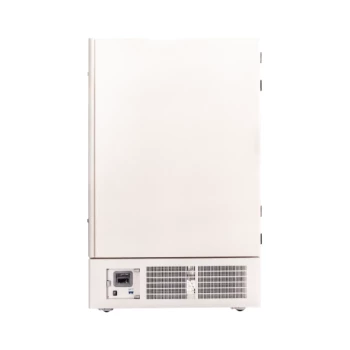
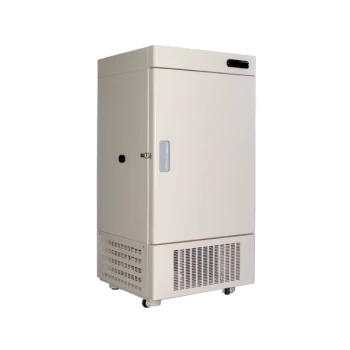
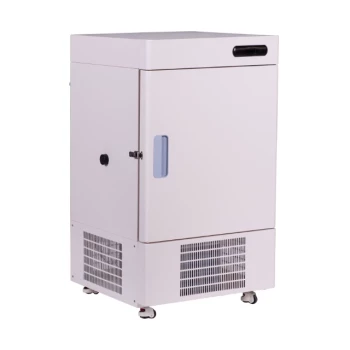
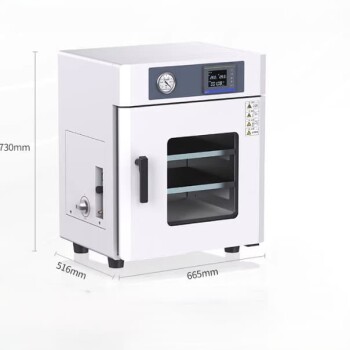
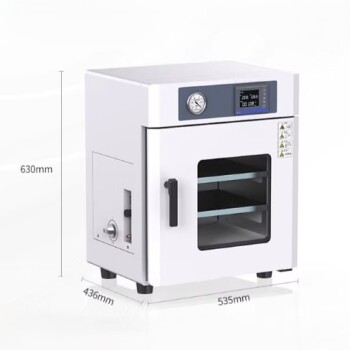
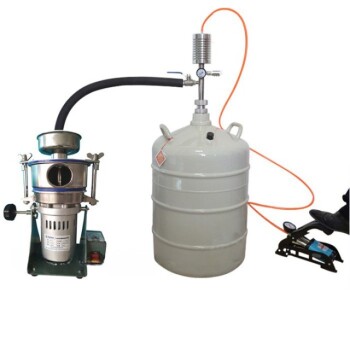
A laboratory freeze dryer acts as the definitive preservation tool for the delicate 3D architecture of cellulose/graphene aerogels. Its primary role is to remove solvents via sublimation, a process that transitions water directly from ice to vapor under a vacuum. This specific mechanism eliminates the liquid-phase evaporation that creates strong capillary forces, which would otherwise crush the material's porous network.
Core Takeaway The freeze dryer is not merely a drying device; it is a structural stabilizer. By bypassing the liquid state entirely, it prevents the collapse of the aerogel's microporous skeleton, ensuring the retention of high surface area, low density, and the specific material properties required for advanced applications.
The Mechanics of Structure Preservation
Locking the Hybrid Structure
The process begins by rapidly freezing the cellulose/graphene hybrid suspension. This step effectively locks the solid components in place, creating a rigid lattice where the solvent (usually water) exists as ice crystals within the pore walls.
The Principle of Sublimation
Once the material is frozen, the laboratory freeze dryer applies a vacuum to initiate sublimation. Instead of melting into a liquid, the ice transitions directly into water vapor. This allows the solvent to escape without disturbing the solid framework of the aerogel.
Why Conventional Drying Fails
The Destructive Force of Capillary Pressure
If you were to use conventional thermal drying (like an oven), the solvent would evaporate from a liquid state. As the liquid recedes from the pores, it generates significant capillary pressure and surface tension.
Structural Collapse
In delicate materials like cellulose/graphene aerogels, this capillary pressure is strong enough to pull the pore walls together. This results in severe shrinkage and the collapse of the internal framework, destroying the "aerogel" nature of the material.
Preventing Graphene Agglomeration
For hybrid materials containing graphene, liquid evaporation causes an additional problem: stacking and agglomeration. As the liquid evaporates, graphene sheets tend to irreversibly stick together, drastically reducing their active surface area and effectiveness.
Critical Properties Enabled by Freeze Drying
Retaining Microporosity
By removing the solvent without liquid tension, the freeze dryer leaves behind voids that match the shape of the sublimated ice crystals. This preserves the material's original microporous structure, which is essential for mass transport in applications like catalysis or sensing.
Achieving Ultra-Low Density
Because the structural volume is maintained while the mass of the solvent is removed, the final product is exceptionally lightweight. This low density is a hallmark characteristic of high-quality aerogels.
Maximizing Specific Surface Area
The preservation of the 3D skeleton ensures that the internal surface area remains accessible. This provides the maximum number of active sites for chemical reactions or interactions, which is critical for the performance of the cellulose/graphene composite.
Common Pitfalls to Avoid
The Risk of Thermal Drying
It is a critical mistake to attempt to speed up the process using standard heat or air drying. While faster, these methods inevitably lead to densification. The result is a dense film or block rather than a porous aerogel, rendering the material useless for applications requiring high porosity.
The Necessity of Vacuum Conditions
Attempting to freeze dry without a sufficient vacuum will fail to induce sublimation effectively. The process relies on precise pressure control to ensure the solvent transitions directly to gas; without this, partial melting may occur, reintroducing damaging capillary forces.
Making the Right Choice for Your Goal
To maximize the quality of your cellulose/graphene aerogels, consider the following regarding your fabrication process:
- If your primary focus is Structural Integrity: You must prioritize the freezing rate and vacuum levels to ensure immediate sublimation, as this is the only way to completely avoid pore collapse.
- If your primary focus is Surface Reactivity: Ensure the freeze-drying cycle is complete to remove all solvent residues, preventing post-drying agglomeration of graphene sheets which would reduce active sites.
By eliminating liquid surface tension, the freeze dryer transforms a wet suspension into a high-performance material without compromising its internal design.
Summary Table:
| Feature | Freeze Drying (Sublimation) | Conventional Thermal Drying |
|---|---|---|
| Mechanism | Ice to vapor (direct) | Liquid to vapor (evaporation) |
| Structural Impact | Preserves 3D microporous lattice | High capillary pressure causes collapse |
| Material Density | Ultra-low density maintained | High density / shrinkage |
| Graphene State | Prevents stacking & agglomeration | Leads to irreversible stacking |
| Surface Area | Maximum accessible active sites | Significantly reduced surface area |
Elevate Your Aerogel Research with KINTEK Precision
Achieving the perfect 3D architecture in cellulose/graphene composites requires more than just cold temperatures—it requires precise vacuum control and reliable sublimation. KINTEK specializes in advanced laboratory equipment designed for the most demanding material sciences.
Our comprehensive portfolio includes:
- Cooling Solutions: High-performance freeze dryers and cold traps for structural preservation.
- Material Processing: Crushing, milling, and hydraulic presses for precursor preparation.
- Thermal Management: A wide range of high-temperature furnaces (vacuum, CVD, atmosphere) and high-pressure reactors.
Don't let capillary forces compromise your innovation. Contact KINTEK today to discover how our freeze drying solutions and specialized lab consumables can ensure the integrity of your advanced materials.
References
- Ghazaleh Ramezani, Ion Stiharu. Novel In-Situ Synthesis Techniques for Cellulose-Graphene Hybrids: Enhancing Electrical Conductivity for Energy Storage Applications. DOI: 10.21926/rpm.2501004
This article is also based on technical information from Kintek Solution Knowledge Base .
Related Products
- High Performance Laboratory Freeze Dryer
- High Performance Laboratory Freeze Dryer for Research and Development
- Benchtop Laboratory Freeze Dryer for Lab Use
- Benchtop Laboratory Vacuum Freeze Dryer
- 808L Precision Laboratory Vertical Ultra Low Temperature Freezer
People Also Ask
- What role does a laboratory freeze dryer play in the synthesis of graphene-based electrocatalysts? Preserve 3D Structures
- What are the technical advantages of using a laboratory freeze dryer for porous carbon precursors? Preserve 3D Networks
- What types of liquid samples can be processed using a laboratory freeze dryer? Preserve Your Sensitive Materials
- How do laboratory freeze dryers support scientific research? Preserve Sample Integrity for Reproducible Results
- Why is a laboratory freeze dryer preferred over traditional heating? Preserve Biochar Structure & Maximize Porosity