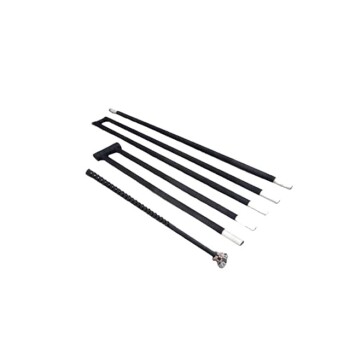
A non-consumable tungsten electrode acts as the critical interface for clean heat transfer in an arc melting furnace. Its primary role is to generate a stable, high-temperature electric arc capable of melting dense alloys without physically degrading or becoming part of the molten pool.
The core value of a tungsten electrode lies in its ability to separate the heat source from the material source. By withstanding extreme temperatures without melting, it ensures the final alloy retains its intrinsic physical and chemical properties without foreign contamination.
The Mechanics of Thermal Stability
Extreme Heat Tolerance
The fundamental requirement for melting high-melting-point alloys is an electrode that can survive the process. Tungsten is utilized specifically for its extremely high melting point of approximately 3422°C.
Generating the Arc
Because the electrode remains solid at temperatures where other metals would liquefy, it can sustain the high-energy electric arc required for the operation. This allows the furnace to direct intense thermal energy into the target metal while the electrode itself maintains its structural integrity.
Preserving Material Purity
The "Non-Consumable" Advantage
In many welding or melting processes, electrodes are "consumable," meaning they melt and become filler material. In high-precision arc melting, this is undesirable. The tungsten electrode is non-consumable, designed to experience minimal self-loss during operation.
Preventing Contamination
The most significant role of the tungsten electrode is the prevention of cross-contamination. Because the electrode remains intact, it prevents tungsten material from dripping or eroding into the alloy sample.
Ensuring Chemical Integrity
For researchers and engineers, the accuracy of the sample is paramount. By avoiding electrode contamination, the process ensures that the intrinsic physical and chemical properties of the alloy remain unaltered, providing true data on the material being studied.
Understanding the Operational Limits
"Minimal" Does Not Mean "Zero"
While tungsten is robust, the primary reference notes it maintains "minimal self-loss." It is critical to understand that while the electrode is designed to be non-consumable, extreme operating conditions must still be managed carefully.
The Thermal Threshold
The electrode functions effectively only because its melting point (3422°C) is higher than the alloys being melted. If the operational temperature required for the arc exceeds the thermal limits of tungsten, the electrode’s integrity—and the sample's purity—would be compromised.
Making the Right Choice for Your Goal
To maximize the effectiveness of your arc melting process, consider your specific requirements regarding material purity and temperature.
- If your primary focus is Material Purity: Rely on tungsten electrodes to prevent foreign elements from entering the melt pool, ensuring your chemical analysis reflects the alloy's true composition.
- If your primary focus is Thermal Stability: Ensure your target alloy's melting point is sufficiently below 3422°C to allow the tungsten electrode to operate without degradation.
By leveraging the thermal resilience of tungsten, you transform the arc furnace from a simple heating tool into a precision instrument for material synthesis.
Summary Table:
| Feature | Role of Tungsten Electrode |
|---|---|
| Material Choice | Tungsten (Melting point: ~3422°C) |
| Primary Function | Acts as a stable interface for high-temperature arc generation |
| Material Purity | Non-consumable design prevents foreign element contamination |
| Structural Benefit | Sustains high-energy arcs without melting into the pool |
| Key Outcome | Preserves intrinsic physical and chemical properties of alloys |
Elevate Your Material Research with KINTEK Precision
Precision in high-melting-point alloy synthesis starts with the right equipment. KINTEK specializes in advanced laboratory solutions, including high-performance arc melting furnaces, vacuum systems, and high-temperature furnaces designed to meet the rigorous demands of material science.
Whether you are refining dense alloys or conducting sensitive battery research, our comprehensive range of crushing and milling systems, pellet presses, and crucibles ensures your samples maintain absolute chemical integrity. Don't compromise on purity—leverage our expertise to optimize your lab’s thermal processing efficiency.
Ready to upgrade your melting capabilities? Contact our specialists today to find the perfect solution for your lab!
References
- Aílton da Silva Ferreira, Andrea Paesano Júnior. Synthesis and Structural Characterization of U-Zr-Nb Alloys. DOI: 10.1590/1980-5373-mr-2017-0411
This article is also based on technical information from Kintek Solution Knowledge Base .
Related Products
- Small Vacuum Heat Treat and Tungsten Wire Sintering Furnace
- 2200 ℃ Tungsten Vacuum Heat Treat and Sintering Furnace
- Thermally Evaporated Tungsten Wire for High Temperature Applications
- Electron Beam Evaporation Coating Gold Plating Tungsten Molybdenum Crucible for Evaporation
- Electron Beam Evaporation Coating Tungsten Crucible and Molybdenum Crucible for High Temperature Applications
People Also Ask
- What is the melting point of tungsten in a vacuum? The Real Limit is Sublimation, Not Melting
- What are some alternative atmospheres to pure hydrogen for powder metallurgy sintering processes? Top Sintering Solutions
- How does the vacuum environment impact sintering of diamond-copper composites? Protect Against Thermal Damage
- Why must green bodies produced via binder jetting undergo treatment in a vacuum sintering furnace?
- What is a vacuum sintering furnace? Unlock Purity and Performance in Advanced Materials