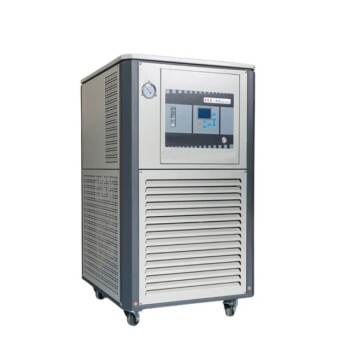
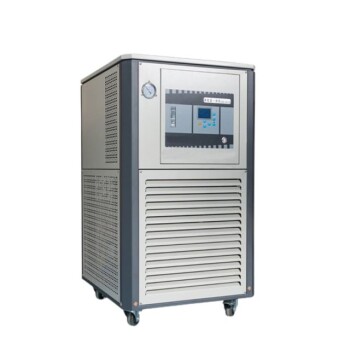
A high-temperature molten salt reactor serves as the thermal engine for the oxygen production stage of the Copper-Chlorine (Cu-Cl) cycle. Its primary task is to facilitate the decomposition of solid copper oxychloride into molten cuprous chloride and oxygen gas by maintaining a precise thermal environment of approximately 530 degrees Celsius.
Core Takeaway The reactor's function is not merely heating; it is managing a complex phase change from solid to liquid and gas. Success depends on sustaining a highly endothermic reaction through efficient heat transfer while simultaneously resisting the corrosive nature of the molten salts involved.
The Mechanics of Thermolysis
Establishing the Thermal Environment
The reactor's most fundamental role is to create a stable, controlled heating zone. It must reach and strictly maintain a temperature of approximately 530 degrees Celsius.
The Decomposition Process
At this specific temperature, the reactor drives the chemical breakdown of solid copper oxychloride. This process splits the compound into two distinct byproducts: molten cuprous chloride and oxygen.
Managing Phase Transitions
The reactor acts as a phase converter. It takes a solid input and processes it into a liquid (molten salt) and a gas (oxygen), requiring internal stability to handle these shifting states of matter.
Critical Operational Requirements
Driving the Endothermic Reaction
The decomposition of copper oxychloride is highly endothermic, meaning it consumes significant amounts of energy. The reactor acts as an energy conduit, providing efficient heat transfer paths to ensure the reaction is sustained without stalling.
Resisting Material Degradation
Handling molten salts at high temperatures presents a significant materials challenge. The reactor vessel must be constructed to specifically resist corrosion from molten salts, ensuring the structural integrity of the system is not compromised during operation.
Understanding the Trade-offs
Thermal Efficiency vs. Material Durability
To sustain the endothermic reaction, the reactor walls must conduct heat efficiently. However, materials with high thermal conductivity are often more susceptible to the corrosive attack of molten salts, requiring a careful balance in material selection.
Complexity of Operation
Maintaining a precise temperature of 530°C is critical. Deviating from this temperature could result in incomplete decomposition (if too low) or unnecessary energy expenditure and material stress (if too high).
Optimizing Reactor Design
When evaluating the design or operation of a molten salt reactor for the Cu-Cl cycle, you must weigh thermal demands against material constraints.
- If your primary focus is process throughput: Prioritize internal designs that maximize heat transfer surface area to satisfy the high energy demand of the endothermic reaction.
- If your primary focus is system longevity: Select reactor materials specifically rated for high resistance to molten salt corrosion, even if this requires a slight compromise in heat transfer speed.
- If your primary focus is operational stability: Ensure the thermal control systems can rigidly maintain the 530°C setpoint to prevent fluctuations in the decomposition rate.
The viability of this stage in the Copper-Chlorine cycle relies entirely on the reactor's ability to deliver consistent heat while surviving a harsh, corrosive internal environment.
Summary Table:
| Feature | Role in Cu-Cl Thermolysis Stage |
|---|---|
| Operating Temperature | Maintains a stable environment at ~530°C |
| Chemical Reaction | Facilitates decomposition of solid copper oxychloride |
| Primary Outputs | Produces molten cuprous chloride and oxygen gas |
| Energy Demand | Sustains a highly endothermic reaction via heat transfer |
| Material Challenge | Resists extreme corrosion from molten salts |
Scale Your Energy Research with KINTEK Expertise
Unlock the full potential of your hydrogen production and chemical processing with KINTEK’s high-performance laboratory solutions. Whether you are managing complex phase transitions in high-temperature high-pressure reactors or requiring specialized molten salt-resistant ceramics and crucibles, we provide the precision tools necessary for success.
Our comprehensive range includes:
- High-Temperature Furnaces: Muffle, vacuum, and atmosphere control for precise thermal environments.
- Advanced Reactors: Autoclaves and HTHP systems designed for corrosive chemical cycles.
- Specialized Consumables: High-purity PTFE, ceramics, and corrosion-resistant materials.
Ready to optimize your thermolysis reactions? Contact KINTEK today to discover how our specialized equipment can enhance your lab's efficiency and durability.
References
- G.F. Naterer, Jurij Avsec. Progress of international hydrogen production network for the thermochemical Cu–Cl cycle. DOI: 10.1016/j.ijhydene.2012.10.023
This article is also based on technical information from Kintek Solution Knowledge Base .
Related Products
- Customizable Laboratory High Temperature High Pressure Reactors for Diverse Scientific Applications
- Molybdenum Vacuum Heat Treat Furnace
- High Temperature Muffle Oven Furnace for Laboratory Debinding and Pre Sintering
- 1700℃ Laboratory High Temperature Tube Furnace with Alumina Tube
- High Pressure Laboratory Autoclave Reactor for Hydrothermal Synthesis
People Also Ask
- How do high-pressure and high-temperature reactors ensure the effective treatment of lignocellulosic wastewater in WAO?
- What equipment is required for high-pressure high-temperature reactions? Master Extreme Chemistry Safely
- How do you control high pressure in a reactor? A Guide to Safe & Stable Operation
- How does initial oxygen pressure affect the wet oxidation of pharmaceutical sludge? Master Your Oxidation Depth
- Why is argon better than nitrogen for inert atmosphere? Ensure Absolute Reactivity & Stability