To facilitate the production of graphene films, Chemical Vapor Deposition (CVD) relies on specific transition metal substrates that act as both a surface for growth and a chemical catalyst. The primary substrates used to achieve high-quality results are copper, nickel, and cobalt.
These metals are selected for their ability to foster the growth of single- or multi-layer graphene structures through thermal decomposition.
Core Takeaway The choice of substrate dictates the thickness and quality of the resulting graphene. Copper is the industry standard for producing strictly monolayer graphene due to its low carbon solubility, whereas nickel and cobalt are utilized to create controlled multi-layer films.
The Catalytic Role of the Substrate
In the CVD process, the substrate serves a function far more critical than simply providing a base for material to land on.
Acting as a Catalyst
The metal substrate acts as a catalyst for the chemical reaction.
It facilitates the decomposition of carbon feed materials, such as methane gas, at high temperatures (typically 900 to 1000°C).
Carbon Solubility and Precipitation
The mechanism of growth depends heavily on how much carbon the metal can absorb.
Different metals have different carbon solubility limits, which directly influences whether the carbon stays on the surface or dissolves into the metal before precipitating out as graphene during cooling.
Copper (Cu): The Standard for Monolayers
Copper is widely regarded as the superior substrate for applications requiring high precision and atomic thinness.
Surface-Mediated Growth
Copper has very low carbon solubility.
Because the metal cannot absorb significant amounts of carbon, the reaction is largely confined to the surface.
Self-Limiting Deposition
This surface restriction results in a self-limiting process.
Once a single layer of graphene covers the copper surface, the catalytic reaction is stifled, allowing for the exclusive deposition of graphene monolayers. This makes copper the ideal choice for high-performance electronic devices where uniformity is paramount.
Nickel (Ni) and Cobalt (Co): Controlling Layer Thickness
Nickel and cobalt function differently due to their chemical properties, making them suitable for different structural goals.
High Carbon Solubility
Unlike copper, nickel and cobalt possess high carbon solubility.
At high process temperatures, carbon atoms from the decomposed gas dissolve into the bulk of the metal foil rather than staying strictly on the surface.
Segregation and Precipitation
As the system undergoes a fast cooling rate, the solubility of carbon in the metal decreases.
The dissolved carbon precipitates (segregates) out of the metal to the surface, forming graphene layers. This mechanism supports the formation of multi-layer graphene and allows for the engineering of films with specific layer counts based on cooling rates and carbon concentration.
Understanding the Trade-offs
While these metal substrates facilitate high-quality growth, the CVD process introduces specific challenges that must be managed.
The Transfer Challenge
Graphene is rarely used on the metal substrate itself; it must be moved to a dielectric or semiconductor substrate for practical use.
The process of separating the graphene from the metal foil can introduce defects, wrinkles, or impurities, potentially compromising the quality of the final film.
Grain Size Limitations
The quality of the graphene film is intrinsically linked to the grain size of the metal substrate.
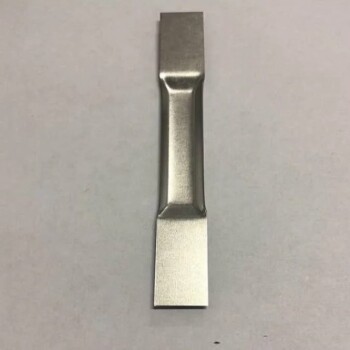
To produce large-area, high-quality graphene, the metal foil is often annealed (heated) in hydrogen and argon prior to deposition. This increases the metal's grain size, reducing the number of boundaries that can interrupt the continuous graphene sheet.
Making the Right Choice for Your Goal
Selecting the correct substrate is not a matter of preference, but of application requirements.
- If your primary focus is single-layer precision: Select copper substrates, as their self-limiting surface chemistry naturally arrests growth after a single atomic layer is formed.
- If your primary focus is multi-layer robustness: Select nickel or cobalt, as their high carbon solubility allows for the precipitation of thicker, controlled graphene layers during the cooling phase.
Success in CVD graphene synthesis ultimately relies on matching the solubility characteristics of the metal catalyst to the desired atomic thickness of your film.
Summary Table:
| Substrate Material | Carbon Solubility | Growth Mechanism | Resulting Graphene Type |
|---|---|---|---|
| Copper (Cu) | Low | Surface-mediated (Self-limiting) | High-quality Monolayer |
| Nickel (Ni) | High | Segregation & Precipitation | Controlled Multi-layer |
| Cobalt (Co) | High | Segregation & Precipitation | Controlled Multi-layer |
Elevate Your Material Research with KINTEK Precision
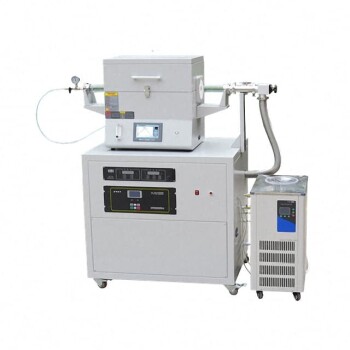
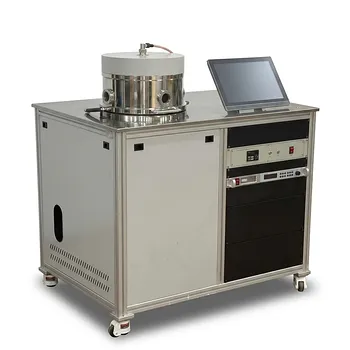
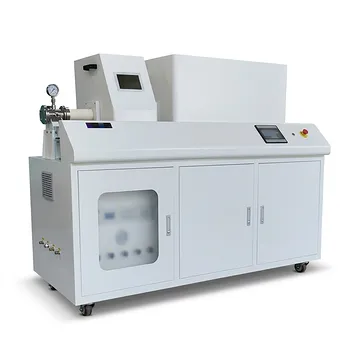
Achieving the perfect graphene monolayer or multi-layer film requires more than just the right substrate—it demands high-performance equipment. KINTEK specializes in advanced CVD and PECVD systems, offering the thermal precision needed to maximize the catalytic potential of copper and nickel foils.
Whether you are scaling up 2D material synthesis or conducting fundamental battery research, our comprehensive portfolio—including high-temperature furnaces, vacuum systems, and specialized crucibles—is designed to meet the rigorous standards of modern laboratories.
Ready to optimize your CVD process? Contact our experts today to find the ideal laboratory solutions tailored to your specific research goals.
Related Products
- Chemical Vapor Deposition CVD Equipment System Chamber Slide PECVD Tube Furnace with Liquid Gasifier PECVD Machine
- Customer Made Versatile CVD Tube Furnace Chemical Vapor Deposition Chamber System Equipment
- Microwave Plasma Chemical Vapor Deposition MPCVD Machine System Reactor for Lab and Diamond Growth
- 915MHz MPCVD Diamond Machine Microwave Plasma Chemical Vapor Deposition System Reactor
- HFCVD Machine System Equipment for Drawing Die Nano-Diamond Coating
People Also Ask
- What are the advantages of chemical vapor deposition? Achieve Superior Thin Films for Your Lab
- What is the chemical vapor deposition growth process? Build Superior Thin Films from the Atom Up
- How expensive is chemical vapor deposition? Understanding the True Cost of High-Performance Coating
- Why is Chemical Vapor Deposition (CVD) equipment uniquely suited for constructing hierarchical superhydrophobic structures?
- What are the core advantages of PE-CVD in OLED encapsulation? Protect Sensitive Layers with Low-Temp Film Deposition