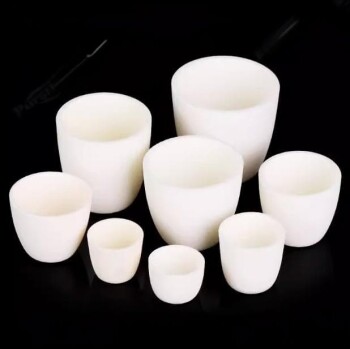
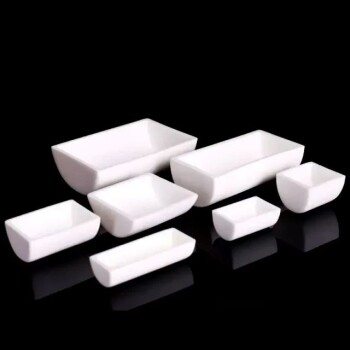
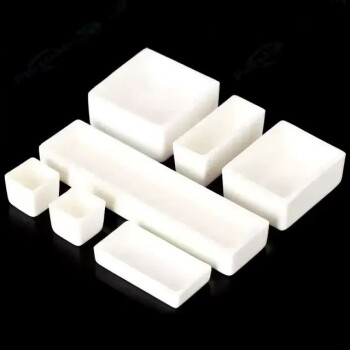
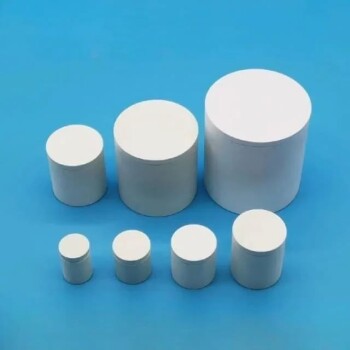
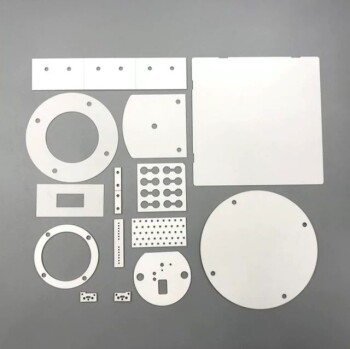
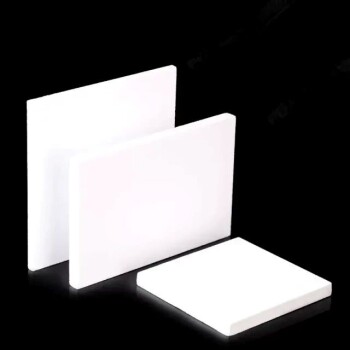
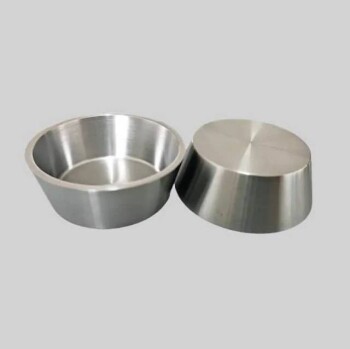
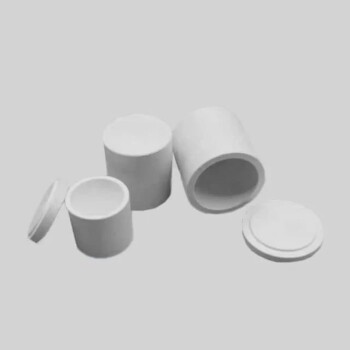
Alumina crucibles and alumina fiber insulation are essential in the microwave sintering of AZ31/HA composites because they provide a unique combination of microwave transparency, chemical inertness, and superior thermal containment. These materials allow electromagnetic energy to pass directly to the sample while preventing heat loss and chemical reactions with the magnesium alloy, ensuring a uniform densification process at the required sintering temperature of 500 °C.
Core Takeaway: The success of microwave sintering for biodegradable composites relies on using high-purity alumina because it acts as an "invisible" thermal barrier—allowing microwaves to reach the target material while maintaining the extreme thermal equilibrium necessary for structural integrity.
The Role of Alumina Crucibles: Transparency and Stability
Exceptional Microwave Transparency
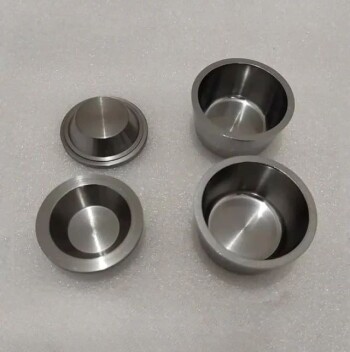
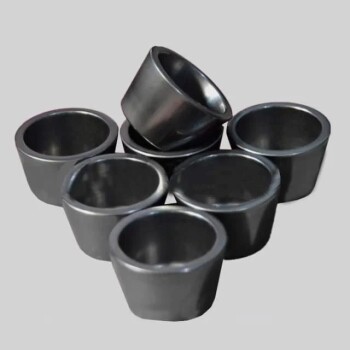
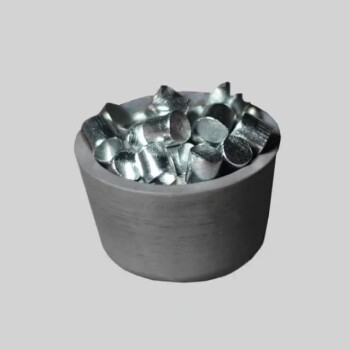
Alumina crucibles serve as the primary vessel because they allow electromagnetic energy to penetrate with minimal interference. This ensures that the microwave energy acts directly on the AZ31/HA green body and any surrounding susceptors rather than being absorbed by the container itself.
Chemical Stability with Magnesium
Magnesium alloys like AZ31 are highly reactive at elevated temperatures. Alumina offers excellent high-temperature chemical stability, ensuring that the crucible does not react with or contaminate the biodegradable composite during the sintering cycle.
Structural Support at Temperature
The crucible provides a rigid environment for the pressed samples. This containment is vital for maintaining the shape and integrity of the HA (hydroxyapatite) reinforcement within the magnesium matrix as the composite reaches its densification point.
The Function of Alumina Fiber Insulation: Thermal Containment
Maintaining Thermal Equilibrium
High-purity alumina fiber wool acts as a thermal blanket that effectively contains the energy excited by the microwaves. This containment is critical for maintaining thermal equilibrium within the furnace, which prevents localized cold spots that could lead to uneven sintering.
Low Thermal Conductivity and Heat Retention
Alumina fiber boards and wool possess extremely low thermal conductivity. By controlling heat dissipation, these materials ensure that the temperature in the test zone remains stable, allowing the AZ31/HA composite to achieve uniform density throughout its structure.
Minimizing Energy Loss via Porosity
The porous structure of alumina fiber reduces the proportion of microwave energy absorbed by the insulation material itself. This ensures that the bulk of the power is directed toward the sample, increasing the overall energy efficiency of the sintering process.
Understanding the Trade-offs and Limitations
Purity Requirements
Not all alumina is equal; only high-purity alumina should be used. Impurities in the alumina can lead to increased microwave absorption by the tools themselves, causing "thermal runaway" or damage to the insulation instead of heating the sample.
Fragility and Handling
Alumina fiber materials are often fragile and can degrade over repeated high-temperature cycles. While they are excellent for thermal stability, they require careful handling and periodic replacement to prevent particulate contamination of the sintered composites.
Thermal Gradient Challenges
While alumina is transparent to microwaves, the insulation must be perfectly balanced. If the insulation is too thick, it may cause the exterior of the sample to heat differently than the interior, potentially leading to internal stresses in the AZ31/HA matrix.
How to Apply This to Your Sintering Process
Successfully sintering AZ31/HA composites requires a precise balance between energy penetration and heat retention. Your choice of materials should reflect your specific production priorities.
- If your primary focus is material purity: Use high-purity (99%+) alumina crucibles to ensure zero chemical interaction between the container and the reactive magnesium alloy.
- If your primary focus is energy efficiency: Prioritize porous alumina fiber wool with the lowest possible density to minimize energy absorption by the insulation itself.
- If your primary focus is structural uniformity: Ensure the insulation completely surrounds the crucible to maintain a stable thermal equilibrium at the 500 °C threshold.
By leveraging the microwave transparency and refractory properties of alumina, you can achieve the precise densification required for high-performance biodegradable implants.
Summary Table:
| Component | Key Properties | Role in Microwave Sintering |
|---|---|---|
| Alumina Crucible | Microwave transparency & chemical inertness | Allows wave penetration and prevents reaction with Magnesium alloys. |
| Alumina Fiber | Low thermal conductivity & high porosity | Ensures thermal equilibrium and minimizes heat loss during densification. |
| AZ31/HA Green Body | High reactivity & specific sintering temp | The target composite requiring uniform heating at 500 °C for structural integrity. |
Elevate Your Materials Research with KINTEK
Precision is paramount when developing advanced biodegradable composites like AZ31/HA. KINTEK specializes in providing the high-purity laboratory equipment and consumables essential for successful microwave sintering. From high-purity alumina crucibles and ceramics to advanced high-temperature furnaces (muffle, vacuum, and atmosphere), we ensure your samples achieve maximum densification without contamination.
Whether you are refining sintering cycles or scaling production, our comprehensive portfolio—including crushing systems, hydraulic presses, and specialized cooling solutions—is designed to meet the rigorous demands of material science.
Ready to optimize your sintering process? Contact KINTEK today for expert guidance and premium laboratory solutions tailored to your research goals!
References
- Shivani Gupta, Inderdeep Singh. Characterization of AZ31/HA Biodegradable Metal Matrix Composites Manufactured by Rapid Microwave Sintering. DOI: 10.3390/ma16051905
This article is also based on technical information from Kintek Solution Knowledge Base .
Related Products
- Arc-Shaped Alumina Ceramic Crucible High Temperature Resistant for Engineering Advanced Fine Ceramics
- Alumina Al2O3 Ceramic Crucible Semicircle Boat with Lid for Engineering Advanced Fine Ceramics
- Engineering Advanced Fine Ceramics Alumina Al2O3 Crucible With Lid Cylindrical Laboratory Crucible
- Engineering Advanced Fine Ceramics Alumina Crucibles (Al2O3) for Thermal Analysis TGA DTA
- Engineering Advanced Fine Alumina Al2O3 Ceramic Crucible for Laboratory Muffle Furnace
People Also Ask
- Why Use Alumina Crucibles & Powder Burial for NaSICON? Ensure Phase Purity and Prevent Elemental Volatilization
- What is the primary purpose of using alumina crucibles for LLTO ceramics? Optimize Your High-Temperature Sintering
- Why are alumina crucibles and mother powder essential for LATP sintering? Optimize Your Solid Electrolyte Performance
- Why are high-purity alumina crucibles used for liquid lead corrosion experiments? Ensure Data Accuracy at 550°C
- Primary considerations for choosing alumina crucibles and quartz tubes in indium intercalation: Ensure Material Purity