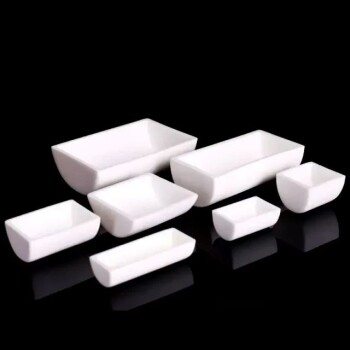
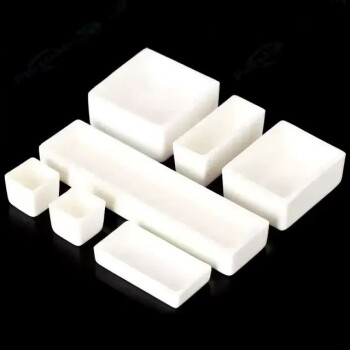
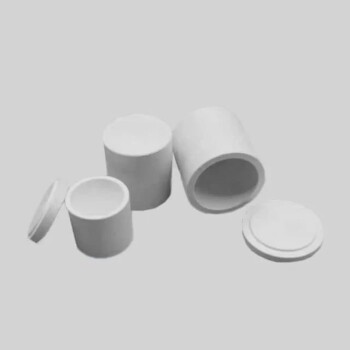
Corundum crucibles are selected because they provide a chemically inert environment that preserves the integrity of S30403 stainless steel during high-temperature exposure. By resisting chemical reactions with the specimen and physically capturing any peeling oxide scale, these crucibles ensure that gravimetric data reflects only the oxidation of the steel, without interference from the container or material loss.
Core Insight The validity of oxidation data relies entirely on isolating the specimen from external variables. Corundum is the industry standard for these experiments because it eliminates the two most common sources of error: chemical cross-contamination between the vessel and the metal, and the physical loss of spalled oxide layers.
Ensuring Chemical Integrity
High-Temperature Stability
Corundum, a crystalline form of aluminum oxide, possesses exceptional chemical stability at elevated temperatures.
This stability is critical when testing S30403 stainless steel. The crucible resists reacting with the steel specimen itself or the oxides that form on its surface during the experiment.
Eliminating Contamination Variables
In high-temperature environments, lesser materials might interact with the metal, introducing impurities that alter the oxidation rate.
By using high-purity corundum, you ensure that the specimen does not pick up foreign elements from the container. This guarantees that any observed chemical changes are strictly internal to the stainless steel's oxidation process.
Preserving Gravimetric Accuracy
Capturing Spalled Oxide Scale
During intense oxidation, the oxide layer forming on S30403 stainless steel may become brittle and peel off (spall).
If this material falls away and is lost, the final weight measurement will be artificially low. The corundum crucible acts as a collection vessel, catching any scale that detaches from the surface.
Total Mass Accountability
Precise oxidation experiments generally rely on measuring weight change to determine reaction kinetics.
Because the crucible collects the spalled debris, all generated oxidation products are included in the final weighing. This prevents measurement errors caused by material loss and ensures the calculated mass gain is accurate.
Critical Considerations for Data Validity
The Importance of Purity
While corundum is robust, the specific grade matters. High-purity alumina is often specified to guarantee the chemical inertness described above.
Using lower-grade ceramics could introduce trace impurities that might catalyze reactions or skew weight measurements at temperatures around 1100 ºC.
Thermal Limits
Corundum is chosen for its ability to withstand specific high-temperature thresholds (e.g., up to 1273 K in similar contexts) without degrading.
However, researchers must verify that the specific crucible grade exceeds the maximum temperature of the S30403 experiment to prevent thermal shock or phase changes that could compromise the vessel.
Making the Right Choice for Your Goal
When designing your oxidation experiment, select your crucible based on your specific data requirements:
- If your primary focus is chemical analysis: Select corundum to prevent the crucible from reacting with the S30403 steel and altering its surface composition.
- If your primary focus is kinetic/mass data: Rely on corundum to physically capture spalling oxides, ensuring the final weight reflects the total material conversion.
By using corundum, you effectively remove the container as a variable, ensuring your data represents the true behavior of the S30403 stainless steel.
Summary Table:
| Feature | Benefit for S30403 Experiments |
|---|---|
| Chemical Inertness | Prevents cross-contamination between vessel and stainless steel specimen |
| High-Temp Stability | Maintains integrity up to 1273K+, avoiding reaction with formed oxides |
| Spall Collection | Physically captures peeling oxide scale to prevent artificial weight loss |
| High-Purity Alumina | Eliminates trace impurity interference with oxidation kinetics |
Elevate Your Material Research with KINTEK
Precision in high-temperature oxidation requires more than just high-quality specimens; it demands the right environment. KINTEK specializes in premium laboratory equipment and consumables, offering high-purity corundum and ceramic crucibles designed to withstand the most rigorous thermal analysis.
Whether you are conducting oxidation studies on S30403 stainless steel or advanced battery research, our comprehensive portfolio—including high-temperature furnaces, crushing systems, and specialized PTFE products—ensures your data remains uncontaminated and accurate.
Ready to optimize your lab results? Contact us today to discover how KINTEK’s expert solutions can enhance your experiment's integrity and efficiency.
References
- Yaoyao Fiona Zhao, Changrong Li. Effect of V content on high temperature oxidation resistance of S30403 austenitic stainless steel. DOI: 10.1038/s41598-025-17971-6
This article is also based on technical information from Kintek Solution Knowledge Base .
Related Products
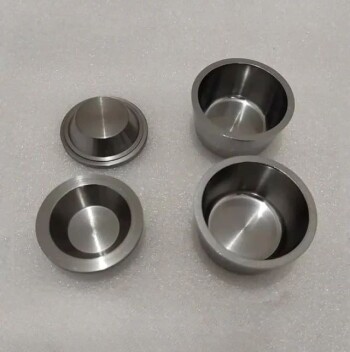
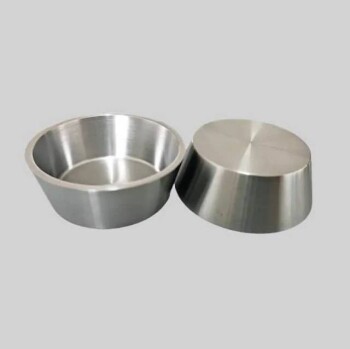
- Electron Beam Evaporation Coating Tungsten Crucible and Molybdenum Crucible for High Temperature Applications
- Electron Beam Evaporation Coating Gold Plating Tungsten Molybdenum Crucible for Evaporation
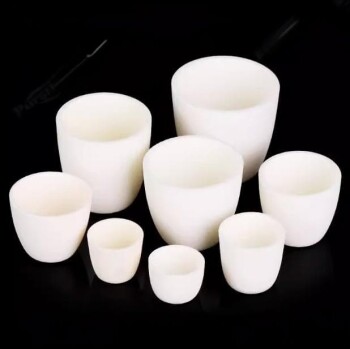
- Arc-Shaped Alumina Ceramic Crucible High Temperature Resistant for Engineering Advanced Fine Ceramics
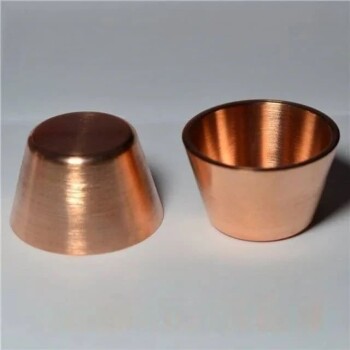
- Electron Beam Evaporation Coating Oxygen-Free Copper Crucible and Evaporation Boat
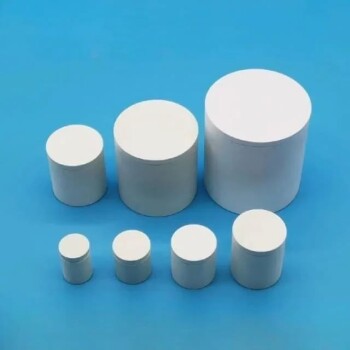
- Engineering Advanced Fine Ceramics Alumina Al2O3 Crucible With Lid Cylindrical Laboratory Crucible
People Also Ask
- What is the container that holds the metal source material called in e-beam evaporation? Ensure Purity and Quality in Your Thin-Film Deposition
- What materials are used in electron beam evaporation? Master High-Purity Thin Film Deposition
- What is the voltage of e-beam evaporation? Achieve Precise Thin-Film Deposition
- What are the applications of e-beam evaporation? Achieve High-Purity Coatings for Optics & Electronics
- What is e-beam evaporation? Achieve High-Purity Thin Film Deposition for Your Lab