The use of zirconia-lined grinding jars is mandatory when preparing sulfide solid electrolytes primarily to maintain electrochemical purity and process efficiency. The central requirement is the prevention of metallic contamination—specifically iron from stainless steel—which degrades the electrolyte's performance. Furthermore, the zirconia lining significantly reduces the adhesion of sticky sulfide precursors to the jar walls, increasing material yield and simplifying the cleaning of corrosive residues.
Core Takeaway Achieving high ionic conductivity in sulfide solid electrolytes requires absolute chemical inertness during synthesis. Zirconia eliminates the risk of fatal iron contamination inherent to stainless steel vessels while simultaneously offering a non-stick surface that maximizes the recovery of scarce and expensive precursor materials.
The Critical Role of Chemical Purity
Eliminating Metallic Impurities
The most immediate threat to sulfide solid electrolytes is metallic contamination, particularly iron. When using standard stainless steel jars, the high-energy impact of ball milling inevitably causes wear, introducing microscopic steel particles into the powder.
Iron impurities are electrically conductive. If integrated into the solid electrolyte, they can cause short circuits or parasitic side reactions, severely compromising the battery's electrochemical stability. Zirconia (zirconium oxide) is a ceramic material that eliminates this risk entirely.
Ensuring Chemical Inertness
Sulfide precursors are chemically active and sensitive materials. During the mechanochemical reactions driven by ball milling, these precursors can react with the container walls if the material is not sufficiently inert.
Zirconia is chemically stable and does not react with sulfide precursors. This inertness ensures that the chemical composition of the final electrolyte remains exactly as calculated, without the introduction of unknown phases caused by side reactions with the jar material.
Mechanical and Process Efficiency
Improving Yield and Recovery
A distinct operational advantage of zirconia over stainless steel is its surface properties regarding adhesion. Sulfide materials tend to be sticky and can adhere strongly to metal surfaces during milling.
Zirconia linings reduce this adhesion significantly. This results in a higher yield of usable powder after the milling process. It also makes the physical recovery of the material easier, reducing the time and effort required to scrape the jar.
Facilitating Equipment Maintenance
Sulfide components can be corrosive. Because zirconia minimizes material adhesion and is chemically resistant to corrosion, the jars are significantly easier to clean between batches. This reduces the risk of cross-contamination between different experimental runs and extends the lifespan of the milling equipment.
High Impact Energy for Reaction Efficiency
Zirconia is an extremely hard and dense material. When used with matching zirconia grinding balls, it provides the high impact energy necessary to drive the mechanochemical synthesis of sulfides effectively.
The high hardness also grants exceptional wear resistance. This ensures that the grinding media itself does not degrade rapidly, maintaining the correct ball-to-powder ratio and impact physics over long-duration milling sessions.
Operational Considerations and Trade-offs
While zirconia is the superior technical choice for this application, it introduces specific handling requirements compared to metal.
Thermal Insulation
Unlike stainless steel, zirconia is a ceramic and a thermal insulator. Heat generated during high-energy milling dissipates more slowly through zirconia walls. While usually manageable, operators must monitor temperature to prevent overheating sensitive sulfide phases.
Brittleness and Handling
Zirconia is extremely hard but brittle. Unlike stainless steel, which may dent upon impact, zirconia liners can crack or shatter if dropped or subjected to thermal shock. Rigorous care in handling and storage is required to prevent costly equipment failure.
Making the Right Choice for Your Goal
When setting up a synthesis protocol for solid-state battery materials, the choice of milling media is not a variable—it is a standard.
- If your primary focus is Electrochemical Performance: You must use zirconia to prevent iron contamination that will short-circuit your electrolyte's capabilities.
- If your primary focus is Process Yield: You need zirconia's surface properties to prevent valuable sulfide precursors from permanently adhering to the jar walls.
Zirconia is not merely an alternative to stainless steel for sulfide synthesis; it is an enabling technology that preserves the fundamental integrity of the material.
Summary Table:
| Feature | Zirconia-Lined Jars | Stainless Steel Jars |
|---|---|---|
| Contamination Risk | Extremely Low (Inert Ceramic) | High (Iron/Metallic Particles) |
| Material Adhesion | Low (Non-stick surface) | High (Precursors stick to walls) |
| Chemical Stability | High (Corrosion resistant) | Moderate (Potential for reaction) |
| Impact Energy | High (Excellent for synthesis) | High |
| Heat Dissipation | Low (Insulating properties) | High (Conductive) |
| Durability | High Hardness / Brittle | High Toughness / Ductile |
Elevate Your Solid-State Battery Research with KINTEK
Precise material synthesis starts with the right equipment. KINTEK specializes in providing high-performance laboratory solutions tailored for advanced battery research. Our premium zirconia-lined grinding jars and high-density milling media ensure your sulfide electrolytes remain free from metallic contamination while maximizing process yield.
Beyond milling, our comprehensive portfolio supports your entire workflow with:
- High-Temperature Furnaces & Vacuum Systems for precise material calcination.
- Hydraulic Presses & Pellet Dies for electrolyte and electrode fabrication.
- High-Pressure Autoclaves & Electrolytic Cells for advanced electrochemical studies.
Ready to optimize your lab's performance? Contact our technical experts today to find the perfect equipment and consumables for your specific application.
Related Products
- Laboratory Jar Ball Mill with Alumina Zirconia Grinding Jar and Balls
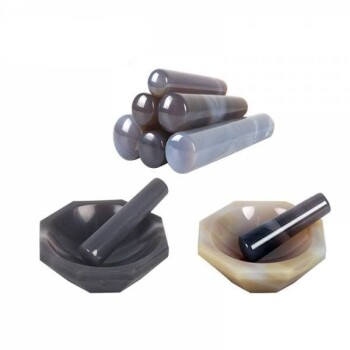
- Laboratory Jar Mill with Agate Grinding Jar and Balls
- Laboratory Ball Mill Jar Mill with Metal Alloy Grinding Jar and Balls
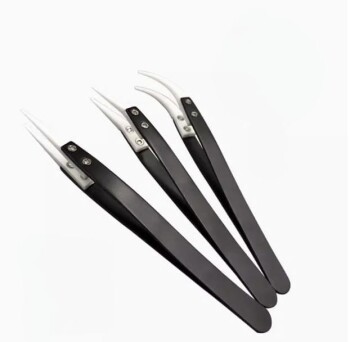
- Engineering Advanced Fine Ceramics Head Tweezers with Pointed Elbow Zirconia Ceramic Tip
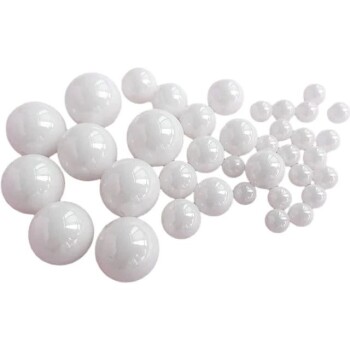
- Precision Machined Zirconia Ceramic Ball for Engineering Advanced Fine Ceramics
People Also Ask
- What are the primary functions of using a ball mill for BZCY72 powder? Achieve High Purity and Enhanced Sintering
- In what way does a laboratory ball mill affect material properties when modifying PHBV/pulp fiber composites?
- Why is a laboratory ball mill required for ultra-fine fly ash? Unlock Nano-Scale Adsorption Power
- What is the function of a laboratory ball mill in the preparation of AMMCs? Optimize Dispersion & Grain Refinement
- What is the function of a laboratory ball mill in the pretreatment of waste tire char (WTC)? Optimize Material Reactivity