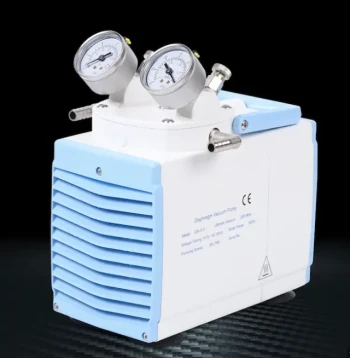
The utilization of a double-stage rotary vane vacuum pump is critical for processing metallic lithium foils because it simultaneously solves two distinct physical challenges: thermal sensitivity and chemical reactivity. By drastically reducing ambient pressure, this equipment allows solvents to evaporate at significantly reduced temperatures while strictly isolating the lithium from atmospheric contaminants.
The core advantage of this pump configuration is its ability to facilitate solvent removal at temperatures as low as 40°C. This protects the lithium from thermal stress while the vacuum environment prevents the immediate oxidation and deactivation that occurs when metallic lithium is exposed to oxygen or moisture.
The Critical Role of Vacuum in Lithium Processing
Processing metallic lithium requires precise environmental control. The double-stage rotary vane pump is chosen not just for suction, but for the specific thermodynamic environment it creates.
Lowering the Solvent Boiling Point
The primary function of the pump is to alter the physical properties of the solvents used in the coating dispersion.
Under standard atmospheric pressure, removing these solvents would require high heat, which could damage the delicate lithium foil.
By creating a stable, low-pressure environment, the pump significantly lowers the boiling point of the solvent. This allows the material to dry quickly and effectively at mild temperatures, such as 40 °C, preserving the structural integrity of the foil.
Preventing Surface Deactivation
Metallic lithium is highly reactive and chemically unstable when exposed to standard air.
Even brief contact with oxygen or moisture can cause the lithium surface to undergo oxidation or deactivation, rendering the foil useless for high-performance battery applications.
The vacuum pump effectively isolates the process, evacuating oxygen and moisture to create an inert environment that maintains the electrochemical purity of the lithium surface.
Why the Rotary Vane Mechanism is Preferred
Beyond the process benefits, the mechanical characteristics of rotary vane pumps make them well-suited for this application.
Achieving High Vacuum
A "double-stage" pump is specifically designed to achieve deeper vacuum levels than single-stage alternatives.
This capability is essential for ensuring the pressure is low enough to facilitate the low-temperature evaporation described above.
Operational Stability
Rotary vane pumps are engineered for stability in laboratory and industrial settings.
They are characterized by low noise levels and low vibration, which minimizes physical disturbance to the delicate foil during the drying process.
Additionally, they offer the ability to achieve high vacuum with a single compressor unit, simplifying the equipment footprint.
Operational Considerations and Trade-offs
While highly effective, utilizing rotary vane technology requires awareness of specific operational factors.
Maintenance and Oil Management
Traditional rotary vane pumps often rely on oil for lubrication and sealing.
This introduces a maintenance requirement to ensure the oil remains clean and does not backstream into the vacuum chamber, which could contaminate the lithium.
The "Dry-Running" Alternative
For applications where oil contamination is a zero-tolerance risk, dry-running rotary vane pumps are a notable alternative.
These pumps offer lower maintenance requirements and eliminate oil-related risks. However, they are generally best suited for medium or variable vacuum ranges, so one must verify they can achieve the deep vacuum required for the specific solvent being removed.
Optimizing Your Drying Process
When selecting vacuum equipment for lithium foil processing, align your choice with your specific production limits.
- If your primary focus is preserving chemical purity: Prioritize a double-stage pump that guarantees the deepest possible vacuum to ensure total oxygen isolation and maximum solvent removal at low heat.
- If your primary focus is maintenance reduction: Consider dry-running variants, provided they can reach the specific pressure threshold required to boil your solvent at 40°C.
Ultimately, the correct vacuum pump acts as a process enabler, allowing you to dry reactive materials aggressively without compromising their electrochemical potential.
Summary Table:
| Feature | Benefit in Lithium Foil Processing | Why It Matters |
|---|---|---|
| Double-Stage Design | Achieves deep vacuum levels | Ensures low-temperature solvent evaporation (40°C). |
| Low Pressure | Lowers solvent boiling point | Protects delicate lithium foils from thermal stress. |
| Inert Environment | Evacuates oxygen and moisture | Prevents surface oxidation and electrochemical deactivation. |
| Rotary Vane Mechanism | High stability, low vibration | Maintains structural integrity of thin metallic foils. |
| Optional Dry-Running | Zero oil contamination | Eliminates the risk of oil backstreaming into the chamber. |
Maximize Your Battery Research Precision with KINTEK
Processing reactive materials like metallic lithium requires absolute control over your thermal and atmospheric environment. KINTEK specializes in high-performance laboratory equipment designed for the most demanding energy storage applications. From high-vacuum double-stage rotary vane pumps that prevent lithium deactivation to our precision vacuum furnaces and hydraulic pellet presses, we provide the tools you need for superior material synthesis.
Whether you are scaling up battery production or refining lab-scale coatings, KINTEK offers a comprehensive range of rotary and vacuum pumps, high-temperature furnaces (CVD, PECVD, Muffle), and essential consumables like PTFE and ceramics.
Ready to optimize your drying process? Contact our technical experts today to find the perfect vacuum solution for your lithium research!
References
- Jernej Bobnar, Robert Dominko. Fluorinated reduced graphene oxide as a protective layer on the metallic lithium for application in the high energy batteries. DOI: 10.1038/s41598-018-23991-2
This article is also based on technical information from Kintek Solution Knowledge Base .
Related Products
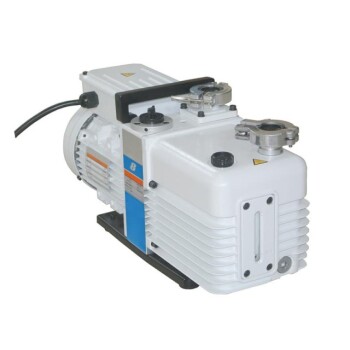
- Laboratory Rotary Vane Vacuum Pump for Lab Use
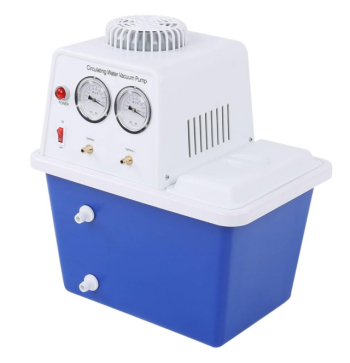
- Circulating Water Vacuum Pump for Laboratory and Industrial Use
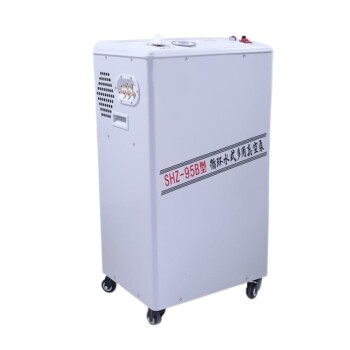
- Laboratory Vertical Water Circulating Vacuum Pump for Lab Use
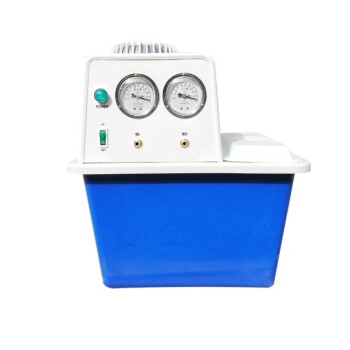
- Laboratory Benchtop Water Circulating Vacuum Pump for Lab Use
- Oil Free Diaphragm Vacuum Pump for Laboratory and Industrial Use
People Also Ask
- What is the use of rotary vacuum pump? A Guide to Reliable Rough Vacuum for Labs & Industry
- What is the vacuum level of a rotary vacuum pump? Achieve Medium Vacuum for Your Lab or Industry
- What is the difference between a single-stage and a two-stage rotary vane pump? Choosing the Right Vacuum Depth
- How does the performance of single-stage and two-stage rotary vane pumps compare? Optimize Your Vacuum Efficiency
- How does a Rotary Vane Pump operate? Discover Efficient Vacuum Technology for Your Lab