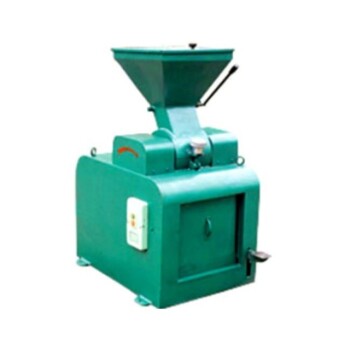
The hammer mill serves as the critical preparatory step in the garden waste pelletization process. It functions by using high-speed rotating hammers to pulverize raw materials, such as dry leaves, into a specific, small, and uniform particle size. This size reduction is the fundamental requirement for the subsequent compression stage, directly dictating the physical integrity of the final product.
The hammer mill transforms raw, irregular garden waste into a consistent feedstock, which is critical for achieving high bulk density and strong mechanical bonding in the final biomass pellets.
The Mechanics of Material Preparation
Achieving Precise Particle Sizing
Raw garden waste is often too bulky or irregular to be pelletized directly. The hammer mill addresses this by pulverizing the material into a uniform particle size.
This uniformity is achieved through the impact of high-speed rotating hammers against the raw material. This mechanical action ensures that every piece of feedstock entering the pellet mill meets the specific size requirements necessary for successful processing.
Facilitating Mechanical Bonding
The primary challenge in pelletization is getting loose material to stick together without synthetic binders. A hammer mill ensures the particles are small enough to allow for strong mechanical bonding.
When particles are small and uniform, they have more surface area contact during compression. This proximity allows the natural forces and friction generated during the pellet-forming process to bind the material together effectively.
Impact on Final Product Quality
Increasing Bulk Density
The physical density of a pellet is determined by how tightly the material can be packed.
By reducing the raw material to fine particles, the hammer mill eliminates large air gaps that would otherwise exist between coarser fragments. This results in significantly higher bulk density in the finished pellets.
Enhancing Hardness and Durability
A pellet must be durable enough to withstand storage and transport without crumbling.
The deep compression enabled by pulverized feedstock leads to a more solid structure. This directly increases the hardness and durability of the finished biomass pellets, reducing the amount of dust and fines produced during handling.
Common Pitfalls to Avoid
The Cost of Inconsistent Sizing
If the hammer mill is bypassed or functions poorly, the feedstock will contain irregular or oversized particles.
This lack of uniformity disrupts the compression process. Without the proper particle size, the mechanical bonding will fail, leading to pellets that are soft, brittle, and prone to breaking apart.
Compromising Pellet Density
Attempting to pelletize raw garden waste without adequate pulverization results in low-density products.
Coarse materials resist compression and spring back, creating pellets with low energy density. This renders the fuel less efficient and harder to transport economically.
Making the Right Choice for Your Goal
To maximize the efficiency of your pelletization line, consider these specific objectives:
- If your primary focus is Pellet Durability: Ensure your hammer mill screens are set to produce the smallest possible particle size to maximize mechanical bonding and hardness.
- If your primary focus is Material Consistency: Prioritize a hammer mill with high-speed rotation to ensure uniform pulverization of heterogeneous garden waste like dry leaves.
Properly sizing your raw material is the single most effective way to guarantee a high-quality, commercially viable biomass pellet.
Summary Table:
| Feature | Impact on Pelletization |
|---|---|
| Particle Size | Ensures uniform, small particles for tight compression |
| Mechanical Bonding | Increases surface area for binder-free adhesion |
| Bulk Density | Eliminates air gaps to create denser, energy-rich pellets |
| Durability | Produces hard pellets resistant to crumbling during transport |
| Consistency | High-speed rotation handles irregular waste like dry leaves |
Elevate Your Biomass Production with KINTEK
High-quality pelletization begins with precise material preparation. KINTEK specializes in advanced crushing and milling systems designed to transform irregular garden waste into the perfect feedstock for high-density pellets. Whether you are refining biomass or processing complex laboratory materials, our robust equipment ensures the consistency and durability your project demands.
From high-performance mills to hydraulic presses, high-temperature furnaces, and essential consumables, KINTEK provides the comprehensive tools necessary for superior material processing and research.
Ready to optimize your production efficiency? Contact KINTEK today to find the perfect solution for your lab or processing line!
References
- Sayali Udakwar, Dilip D. Sarode. Sustainable Growth through Garden Waste Pelletization. DOI: 10.17485/ijst/v16i39.1318
This article is also based on technical information from Kintek Solution Knowledge Base .
Related Products
- Laboratory Sealed Hammer Crusher for Efficient Sample Preparation
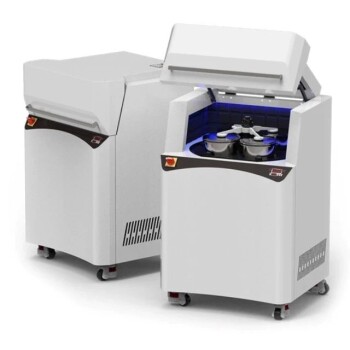
- Laboratory Ball Mill Jar Mill with Metal Alloy Grinding Jar and Balls
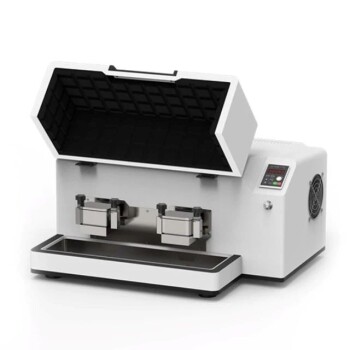
- Laboratory Disc Cup Vibratory Mill for Sample Grinding
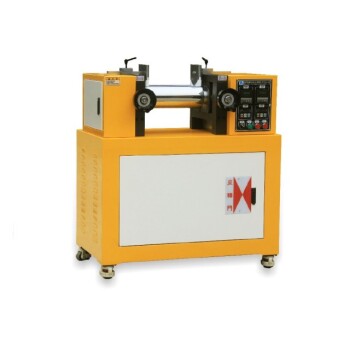
- Open Type Two Roll Mixing Mill Machine for Rubber Crusher
- Laboratory Single Horizontal Jar Mill
People Also Ask
- What role do laboratory crushers and standard sieves play in Datura stramonium pretreatment? Optimize Your HTL Yield
- What is the primary function of a laboratory crusher? Optimize Biomass & Coal Co-Gasification Efficiency
- What lab equipment would be use to crush or grind a substance? A Guide to Choosing the Right Tool
- What is the purpose of sample preparation? Ensure Accurate & Reliable Analytical Results
- What kind of material is a hammer mill used for? Process Brittle, Dry, and Crystalline Materials Efficiently