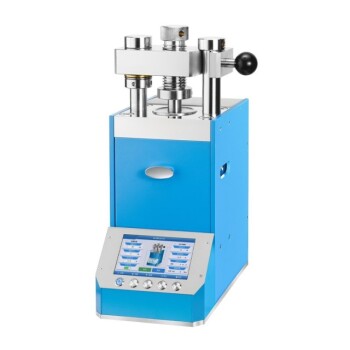
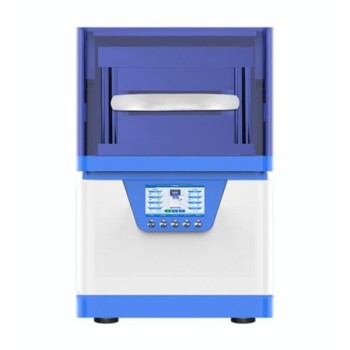
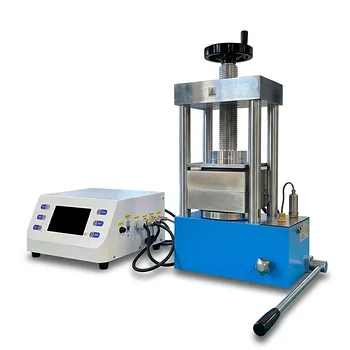
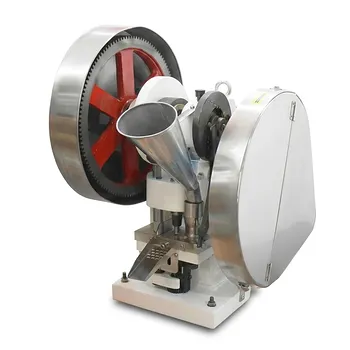
A laboratory pressure testing machine is the definitive instrument for quantifying the mechanical resilience of nano-carbon-cement composites. By applying controlled quasi-static loads to standardized 50x50 mm cubic specimens, this equipment measures the maximum ultimate load the material can withstand before failure. This precise data is required to validate how different concentrations of nano-carbon additives actually enhance the structural integrity of the cement paste.
Core Takeaway The pressure testing machine provides the empirical evidence needed to verify that carbon nanotube networks successfully mitigate internal stress concentrations. It reveals the material's unique ability to maintain tensile strength and anchoring effects, even after sustaining significant damage such as high-temperature exposure.
Quantifying Mechanical Performance
Precise Load Application
The machine functions by applying controlled quasi-static loads to the composite material. This slow, steady application of force is critical for accurately identifying the tipping point of the material's strength.
Measuring Ultimate Load
The primary metric gathered is the maximum ultimate load. This is the exact force threshold at which the 50x50 mm cubic specimen fails, providing a baseline number to compare against standard cement samples.
Correlating Concentration to Strength
The equipment allows researchers to test various mixes. By comparing results, you can quantify the specific contribution of different concentrations of nano-carbon additives to the overall mechanical properties.
Revealing the Nano-Carbon Advantage
Visualizing Internal Mechanisms
Beyond simple strength numbers, the testing machine reveals how the material survives. The resulting strength curves demonstrate the anchoring effects of the additives within the cement matrix.
Mitigating Stress Concentration
The data confirms that the carbon nanotube network actively reduces internal stress. The machine validates that the network distributes forces effectively, preventing the internal stress concentrations that typically cause rapid failure in brittle cement.
Assessing Post-Damage Resilience
Crucially, this testing is essential for evaluating damaged materials. It proves the composite's efficacy even after high-temperature damage, showing that the tensile effects of the carbon network persist under extreme conditions.
Understanding Testing Context
Specificity of Specimen Size
It is important to note that the data is derived from 50x50 mm cubic specimens. While standard for laboratory analysis, users must recognize these are controlled samples that isolate material properties rather than full-scale structural behaviors.
Static vs. Dynamic Limitations
The machine applies quasi-static loads. This is excellent for determining ultimate strength and stress mitigation, but it specifically measures resistance to slow, crushing forces rather than sudden, dynamic impacts.
Making the Right Choice for Your Goal
To effectively utilize a pressure testing machine for nano-carbon composites, focus your analysis on the specific mechanical property you aim to improve:
- If your primary focus is Mix Optimization: Use the ultimate load data to identify the exact concentration of nano-carbon additives that yields the highest peak strength.
- If your primary focus is Durability/Resilience: Analyze the strength curves after high-temperature exposure to verify the network's ability to maintain anchoring effects under stress.
The pressure testing machine is not just about breaking samples; it is the key to unlocking the invisible mechanics of the carbon nanotube network.
Summary Table:
| Key Feature | Benefit for Nano-Carbon Composites | Research Outcome |
|---|---|---|
| Quasi-static Loading | Controlled application of force to 50x50mm cubes | Precise identification of material failure points |
| Ultimate Load Measurement | Quantifies maximum mechanical resilience | Validates nano-additive concentration efficiency |
| Stress Analysis | Monitors internal stress distribution | Confirms carbon nanotube anchoring effects |
| Post-Damage Testing | Evaluates strength after high-temperature exposure | Proves material durability in extreme conditions |
Elevate Your Composite Research with KINTEK Precision
Unlock the full potential of your nano-carbon-cement composites with KINTEK’s industry-leading laboratory solutions. From high-precision hydraulic pellet and isostatic presses for specimen preparation to advanced high-temperature furnaces for thermal resilience testing, we provide the essential tools needed to validate your material breakthroughs.
Why choose KINTEK?
- Comprehensive Portfolio: We offer everything from crushing and milling systems to high-pressure reactors and specialized laboratory furnaces.
- Precision Engineering: Our equipment is designed to meet the rigorous standards of nano-material research, ensuring repeatable and accurate data.
- Expert Support: We help research labs and industrial manufacturers optimize their testing workflows with durable, high-performance consumables like ceramics and crucibles.
Ready to enhance your lab's testing capabilities and achieve superior structural insights? Contact KINTEK today to discuss your equipment needs!
References
- Artemiy Cherkashin, Ivan Doroshin. Heat-resistant properties of construction composites based on nanocarbon cement (nCMC). DOI: 10.1051/e3sconf/20199102029
This article is also based on technical information from Kintek Solution Knowledge Base .
Related Products
- Laboratory Hydraulic Press Lab Pellet Press Machine for Glove Box
- Electric Split Lab Cold Isostatic Press CIP Machine for Cold Isostatic Pressing
- Electric Lab Cold Isostatic Press CIP Machine for Cold Isostatic Pressing
- 30T 40T Split Automatic Heated Hydraulic Press Machine with Heated Plates for Laboratory Hot Press
- Manual Cold Isostatic Pressing Machine CIP Pellet Press
People Also Ask
- What is the function of a laboratory hydraulic press in W-Cu composites? Control Porosity and Material Ratio
- What is the role of a laboratory hydraulic press in the initial stages of Li6PS5Cl preparation? Key to Green Pellets
- What role does a laboratory hydraulic press play in triboelectric testing? Achieve Precision Alloy Sample Prep
- How can a laboratory hydraulic press be applied to chitosan for wastewater treatment? Optimize Pores & Strength
- How do a precision laboratory hydraulic press and specialized molds contribute to the fabrication of spherical ceramic samples? Achieving High-Density Material Precision