The matching network acts as the critical electrical bridge between your RF power source and the plasma processing chamber. Its fundamental role is to regulate impedance matching, ensuring that the fixed output of the generator aligns with the variable load of the plasma to minimize reflected power and maximize energy transfer.
Core Takeaway In RF-PECVD systems, the plasma load is dynamic and often unstable. A matching network is required to constantly adjust electrical resistance, ensuring efficient energy transfer for discharge stability—the prerequisite for depositing high-quality, uniform siloxane films.
The Physics of Efficient Power Transfer
Regulating Impedance Mismatch
An RF generator typically operates at a fixed impedance (standardized at 50 ohms). However, the plasma environment inside a vacuum chamber acts as a complex, variable electrical load that rarely matches this standard.
The matching network sits between these two components. It transforms the impedance of the plasma load to match the 50-ohm output of the generator.
Minimizing Reflected Power
When impedance is mismatched, a significant portion of the RF power is not absorbed by the process; instead, it "reflects" back toward the generator.
High reflected power reduces the energy available for the process and can overheat or damage the RF power source. The matching network tunes the circuit to keep reflected power near zero.
Maximizing Energy Injection
For siloxane film preparation, specific energy thresholds must be met to break chemical bonds and initiate deposition.
The matching network ensures that high-frequency electrical energy is efficiently transferred into the vacuum chamber. This efficient injection is necessary to ignite and sustain the plasma needed for chemical vapor deposition.
Impact on Process Stability and Film Quality
Ensuring Discharge Stability
Plasma is inherently unstable; its impedance fluctuates based on gas flows, pressure, and chemical reactions.
The matching network compensates for these fluctuations in real-time. By maintaining a matched condition, it guarantees that the plasma discharge remains stable throughout the deposition cycle.
Promoting Film Uniformity
The quality of a siloxane thin film is directly tied to the consistency of the plasma environment.
A stable discharge, facilitated by the matching network, ensures uniform chemical reaction rates across the substrate. This results in films that are structurally consistent and free from the defects caused by power flickering or instability.
Operational Trade-offs and Maintenance
The Limit of Automatic Tuning
While most modern networks are "auto-matching," they have a finite response time.
Rapid changes in process conditions (such as sudden pressure spikes) can outpace the network's ability to tune. This can cause momentary spikes in reflected power, potentially affecting the interface quality of the film layers.
Component Degradation and Maintenance
As noted in broader system maintenance principles, the matching network itself is subject to wear.
Variable capacitors and inductors inside the network consist of moving parts that can degrade or seize over time. Regular maintenance is required to ensure the network can actually achieve a tune; a failing network is often misdiagnosed as a generator failure.
Making the Right Choice for Your Goal
To optimize your RF-PECVD process for siloxane films, focus on how you manage the matching network based on your specific objectives.
- If your primary focus is Film Quality: Prioritize a matching network with high-precision tuning to ensure the discharge stability required for uniform film structure.
- If your primary focus is Equipment Longevity: Monitor reflected power logs strictly; consistent mismatches indicate a need for network maintenance to protect the RF generator.
- If your primary focus is Process Repeatability: Ensure your process recipes allow time for the matching network to stabilize before deposition begins.
The matching network is not just an accessory; it is the governor of process stability that makes high-performance thin film deposition possible.
Summary Table:
| Feature | Function in RF-PECVD | Impact on Siloxane Film |
|---|---|---|
| Impedance Matching | Bridges 50-ohm generator to variable plasma load | Ensures efficient energy injection for bond breaking |
| Reflected Power Control | Minimizes power returning to the generator | Protects equipment and maximizes deposition energy |
| Discharge Stability | Real-time compensation for pressure/gas fluctuations | Promotes structural consistency and film uniformity |
| Automatic Tuning | Adjusts variable capacitors/inductors dynamically | Enables process repeatability across deposition cycles |
Elevate Your Thin Film Precision with KINTEK
Don't let impedance mismatch compromise your research outcomes. KINTEK specializes in high-performance laboratory equipment, providing the advanced RF-PECVD systems, high-temperature vacuum furnaces, and precision power solutions needed for superior siloxane film preparation. Whether you are optimizing battery research, developing specialized ceramics, or refining CVD processes, our comprehensive portfolio—from MPCVD systems to high-pressure reactors—is designed for stability and excellence.
Ready to achieve zero reflected power and perfect film uniformity? Contact our technical experts today to find the ideal matching network and deposition solution for your lab!
References
- Y. Abd EL-Moaz, Nabil A. Abdel Ghany. Fabrication, Characterization, and Corrosion Protection of Siloxane Coating on an Oxygen Plasma Pre-treated Silver-Copper Alloy. DOI: 10.1007/s11665-023-07990-7
This article is also based on technical information from Kintek Solution Knowledge Base .
Related Products
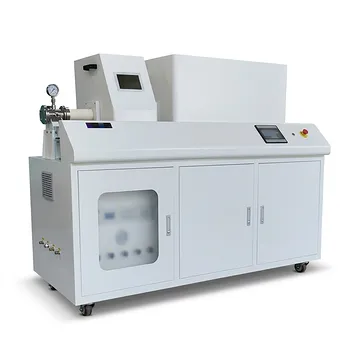
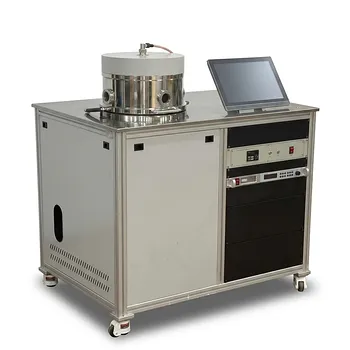
- RF PECVD System Radio Frequency Plasma-Enhanced Chemical Vapor Deposition RF PECVD
- Inclined Rotary Plasma Enhanced Chemical Vapor Deposition PECVD Equipment Tube Furnace Machine
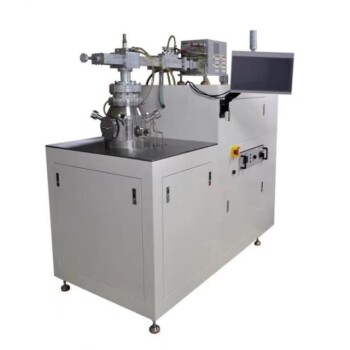
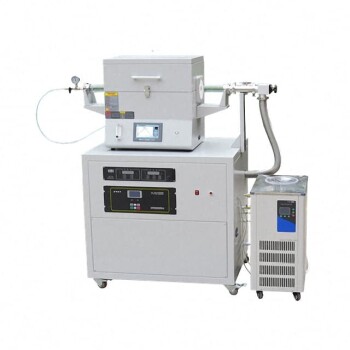
- Chemical Vapor Deposition CVD Equipment System Chamber Slide PECVD Tube Furnace with Liquid Gasifier PECVD Machine
- Inclined Rotary Plasma Enhanced Chemical Vapor Deposition PECVD Equipment Tube Furnace Machine
- 915MHz MPCVD Diamond Machine Microwave Plasma Chemical Vapor Deposition System Reactor
People Also Ask
- What is plasma enhanced chemical vapour deposition PECVD used for? Enable Low-Temp Thin Films for Electronics & Solar
- What is an example of PECVD? RF-PECVD for High-Quality Thin Film Deposition
- What is the role of RF-PECVD in VFG preparation? Mastering Vertical Growth and Surface Functionality
- What is plasma enhanced chemical Vapour deposition process used for fabrication of? A Guide to Low-Temperature Thin Films
- What is plasma CVD? Unlock Low-Temperature Thin Film Deposition for Sensitive Materials