Ultrasonic cleaning with ethanol is a critical surface preparation step designed to remove microscopic contaminants that mechanical polishing cannot eliminate. By combining the physical impact of ultrasonic waves with the chemical dissolving power of ethanol, this process ensures the alloy interface is free of oils, debris, and fingerprints. This level of purity is essential to prevent impurities from becoming trapped during the high-temperature bonding process.
The synergy between ultrasonic cavitation and ethanol guarantees a contaminant-free interface, preventing the formation of oxides and defects that would otherwise compromise the mechanical strength of the bonded joint.
The Mechanics of Surface Purification
The Cavitation Effect
The core mechanism of an ultrasonic cleaner is the cavitation effect. The device uses high-frequency sound waves to create rapid pressure changes in the liquid solvent.
These pressure changes generate millions of microscopic bubbles that collapse or implode against the surface of the alloy. This creates intense micro-bubble impacts that physically dislodge stubborn particles.
The Role of Ethanol
While ultrasonic waves provide the physical agitation, ethanol acts as the chemical agent. As an organic solvent, ethanol is highly effective at dissolving oils and organic residues.
When used in the cleaner, ethanol ensures that the contaminants dislodged by cavitation are suspended and removed, rather than simply redeposited on the specimen.
Why Absolute Cleanliness Matters in Diffusion Bonding
Eliminating Processing Residue
Alloy specimens undergo mechanical processing and grinding before they are ready for bonding. These mechanical steps inevitably leave behind debris, grinding dust, and fingerprints.
Simple wiping is often insufficient to remove these residues from the microscopic peaks and valleys of a metal surface. Ultrasonic cleaning ensures these leftovers are thoroughly eradicated.
Preventing Interfacial Defects
Diffusion bonding occurs at high temperatures where atoms migrate across the interface to form a solid joint. If impurities remain on the surface, they become trapped at the interface.
Trapped contaminants often react under heat to form oxides or voids. These defects disrupt the atomic diffusion process, directly leading to a degradation of the mechanical performance of the final joint.
Common Pitfalls to Avoid
The "Visible Clean" Fallacy
A common mistake is assuming a specimen is clean because it looks clean to the naked eye. Oils from fingerprints and microscopic grinding debris are often invisible but can be catastrophic to diffusion bonding.
Relying solely on visual inspection or simple mechanical wiping creates a high risk of joint failure. The ultrasonic method is necessary to address contaminants at the microscopic level where bonding occurs.
Solvent Selection
While the primary reference highlights ethanol, using the wrong solvent can be ineffective. The solvent must be compatible with the specific oils or residues present on the alloy.
Failing to refresh the ethanol bath can also lead to re-contamination. The cleaning medium must remain pure to ensure contaminants are permanently removed from the system.
Making the Right Choice for Your Goal
To ensure the structural integrity of your alloy components, apply these principles to your preparation workflow:
- If your primary focus is Maximum Joint Strength: Prioritize the ultrasonic cycle to eliminate all potential oxide-formers, ensuring atoms can diffuse freely across the interface.
- If your primary focus is Defect Reduction: Use ethanol specifically to target organic residues like fingerprints, which are the leading cause of void formation in high-temperature processes.
Microscopic cleanliness is not just a cosmetic step; it is the fundamental prerequisite for a successful diffusion bond.
Summary Table:
| Feature | Mechanism | Benefit for Diffusion Bonding |
|---|---|---|
| Ultrasonic Cavitation | High-frequency sound waves create imploding micro-bubbles. | Physically dislodges debris from microscopic surface peaks and valleys. |
| Ethanol Solvent | Organic chemical dissolution of oils and residues. | Suspends organic contaminants like fingerprints to prevent redeposition. |
| Surface Purity | Combined physical and chemical cleaning action. | Prevents oxide formation and voids at the high-temperature interface. |
| Joint Integrity | Clean atomic-level contact between alloy specimens. | Maximizes mechanical strength and structural reliability of the bond. |
Elevate Your Materials Research with KINTEK Precision Solutions
Achieving the perfect diffusion bond starts with uncompromising surface purity. At KINTEK, we provide the high-performance laboratory equipment essential for your specimen preparation and high-temperature processing.
Whether you need advanced ultrasonic cleaners for meticulous surface treatment or industry-leading high-temperature vacuum and atmosphere furnaces for the diffusion bonding process itself, our comprehensive portfolio has you covered. We also specialize in crushing and milling systems, isostatic presses, and a full range of specialized ceramics and crucibles to support your most demanding alloy research.
Ready to eliminate joint defects and optimize your lab's efficiency? Contact KINTEK today to find the perfect equipment for your workflow!
References
- Sunghwan Kim, Injin Sah. Microstructure and Tensile Properties of Diffusion Bonded Austenitic Fe-Base Alloys—Before and After Exposure to High Temperature Supercritical-CO2. DOI: 10.3390/met10040480
This article is also based on technical information from Kintek Solution Knowledge Base .
Related Products
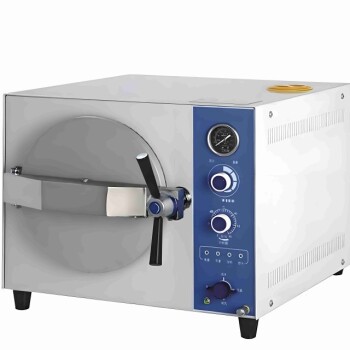
- Laboratory Sterilizer Lab Autoclave Pulsating Vacuum Desktop Steam Sterilizer
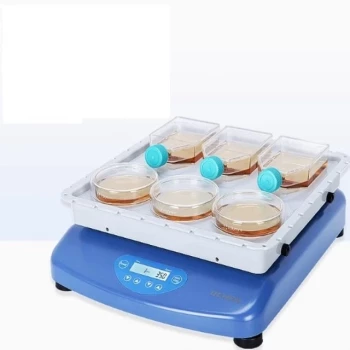
- Laboratory Oscillating Orbital Shaker
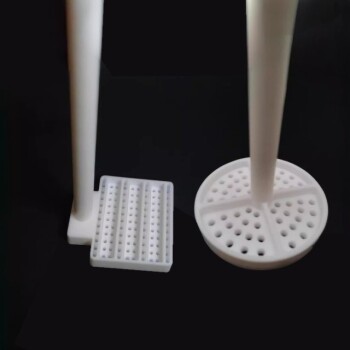
- Custom PTFE Teflon Parts Manufacturer Corrosion Resistant Cleaning Rack Flower Basket
- Laboratory Scientific Electric Heating Blast Drying Oven
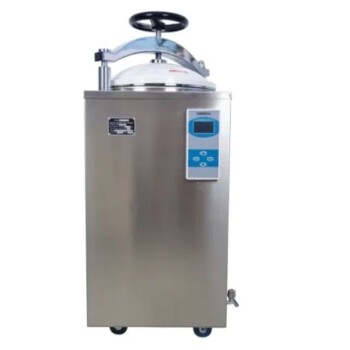
- Portable High Pressure Laboratory Autoclave Steam Sterilizer for Lab Use
People Also Ask
- What is the primary function of a laboratory sterilization autoclave? Master the Physics of Wet Heat Sterilization
- In what industries and applications are steam sterilizers or autoclaves used? Discover Key Uses Across 4 Major Sectors
- What precautions should be taken during autoclave in laboratory? A Complete Safety Guide to Prevent Burns and Explosions
- What extreme conditions does a laboratory autoclave simulate? Testing Wear Resistance of Nuclear Fuel Cladding
- What role does a laboratory autoclave play in HEA corrosion research? Key to Validating Advanced Reactor Materials