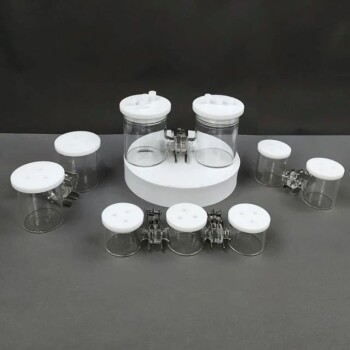
Electrochemical etching is the critical bridge between sample preparation and analysis, required because mechanical polishing leaves High-Entropy Alloys (HEAs) with a featureless, mirror-like finish. By applying a controlled constant current in a specific solution, etching selectively dissolves material based on chemical activity, creating the physical contrast necessary to visualize grain boundaries, phases, and dendritic structures under an optical microscope.
The Core Insight Mechanical polishing creates a uniform surface that hides the material's internal "fingerprint." Electrochemical etching is required to artificially induce contrast, exploiting the variance in chemical stability between different phases to reveal the alloy's true microstructure.
The Limitation of Mechanical Preparation
The Mirror Effect
After the standard grinding and polishing process, a High-Entropy Alloy exhibits a uniform mirror surface.
While this indicates a smooth finish, it is detrimental for optical microscopy. Because the surface is perfectly flat and reflective, light bounces off it continuously, making it impossible to distinguish between different structural elements.
The Missing Contrast
Optical microscopes rely on contrast to generate an image.
Without surface relief or color differences, the microscope cannot resolve grain boundaries or phase structures. The sample appears as a blank slate, hiding the complex internal architecture of the alloy.
How Electrochemical Etching Solves the Problem
Exploiting Chemical Activity
Electrochemical etching works by subjecting the polished sample to a constant current while submerged in a specific electrolyte solution, such as oxalic acid.
This process targets the inherent differences in the material. Different phases and grain boundaries possess varying levels of chemical activity; some areas are more prone to reaction than others.
Selective Dissolution
The applied current forces the "active" areas of the material to dissolve at a faster rate than the stable areas.
This selective dissolution etches grooves into the grain boundaries and creates topography across different phases. It essentially converts chemical differences into physical textures that scatter light differently.
Revealing Dendritic Structures
Once the etching process creates this topography, the microstructure becomes visible.
This technique specifically reveals dendritic structures and segregation areas—regions where specific elements have clustered. These features are critical for understanding the alloy's mechanical properties and history.
Understanding the Process Variables
The Role of Specific Solutions
The choice of electrolyte, such as oxalic acid, is not arbitrary.
The solution must be tailored to the specific alloy composition to ensure it attacks the grain boundaries without destroying the grain itself. Using the wrong solution may result in uniform corrosion, which fails to reveal the microstructure.
Current Control
The application of constant current is essential for consistency.
If the current fluctuates, the etching depth will vary across the sample, leading to artifacts that could be mistaken for structural features. Precision in electrical parameters ensures that what you see is the true structure, not a preparation error.
Making the Right Choice for Your Goal
To effectively characterize High-Entropy Alloys, you must move beyond simple polishing.
- If your primary focus is Grain Size Analysis: Ensure the etching time is sufficient to clearly define grain boundaries without widening them excessively.
- If your primary focus is Phase Identification: Select an etchant solution known to react differently with the specific segregated elements in your HEA.
Successful characterization relies on using electrochemical etching to translate invisible chemical differences into visible structural details.
Summary Table:
| Feature | Mechanical Polishing | Electrochemical Etching |
|---|---|---|
| Surface Finish | Mirror-like, uniform | Selective topography & relief |
| Visibility | Featureless, blank slate | Visible grain boundaries & phases |
| Mechanism | Physical abrasion | Selective chemical dissolution |
| Key Insight | Smoothness for prep | Revealed dendritic structures |
| Requirement | Standard abrasives | Electrolyte (e.g., Oxalic Acid) + Current |
Elevate Your Material Analysis with KINTEK
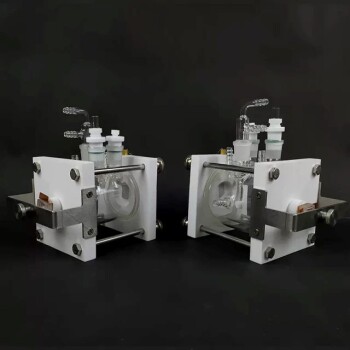
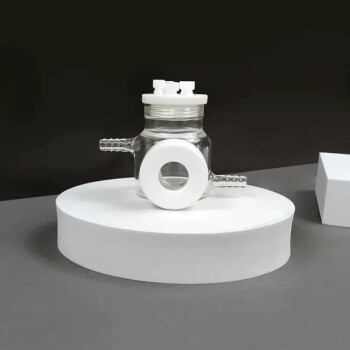
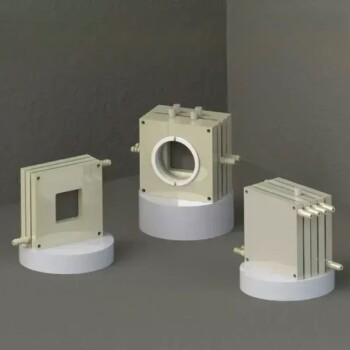
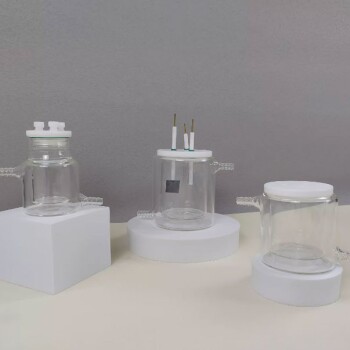
Precision in microstructure characterization starts with the right equipment. KINTEK specializes in high-performance laboratory solutions designed for the rigorous demands of High-Entropy Alloy research. From our advanced electrolytic cells and electrodes specifically engineered for consistent electrochemical etching to our high-precision crushing and milling systems, we provide the tools you need for flawless sample preparation.
Whether you are conducting grain size analysis or complex phase identification, our comprehensive range—including high-temperature furnaces, hydraulic presses, and specialized consumables like PTFE and ceramics—ensures your lab achieves repeatable, high-quality results.
Ready to reveal the hidden architecture of your materials? Contact our technical experts today to find the perfect solution for your HEA research workflow.
References
- Santiago Brito-García, Ionelia Voiculescu. EIS Study of Doped High-Entropy Alloy. DOI: 10.3390/met13050883
This article is also based on technical information from Kintek Solution Knowledge Base .
Related Products
- Electrode Polishing Material for Electrochemical Experiments
- Gold Electrochemical Sheet Electrode Gold Electrode
- Electrolytic Electrochemical Cell for Coating Evaluation
- Glassy Carbon Sheet RVC for Electrochemical Experiments
- Graphite Disc Rod and Sheet Electrode Electrochemical Graphite Electrode
People Also Ask
- How do you prepare the polishing setup for an electrode? Achieve a Flawless Mirror Finish for Reliable Electrochemistry
- What is the general procedure and what precautions should be taken during the polishing process? Achieve a Flawless Electrode Finish
- What are the electrode materials? A Guide to Choosing the Right Conductor for Your Application
- What are the examples of electrode materials? From Platinum to Graphite for Your Application
- How is a polished electrode tested for quality? Validate Performance with Cyclic Voltammetry