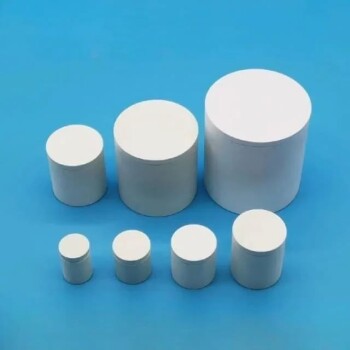
The primary reason for using alumina (Al2O3) crucibles is to maintain absolute chemical inertness. When heating aluminum alloys, particularly at high temperatures reaching 993 K, you must ensure the molten metal does not react with its container. Alumina provides a stable, non-reactive barrier that prevents the crucible material from dissolving into and contaminating the molten aluminum.
Core Takeaway: Alumina’s exceptional stability guarantees that your experimental environment remains pure. This ensures that the corrosion data you collect reflects only the interaction between the alloy and the test subject, effectively removing the container as a variable.
The Importance of Chemical Stability
The validity of a corrosion experiment relies entirely on controlling the environment. Using the wrong containment vessel introduces uncontrollable variables that ruin data integrity.
Resisting High-Temperature Aggression
Molten aluminum alloys are chemically aggressive, especially when heated to temperatures such as 993 K.
At these thermal extremes, standard container materials often degrade or react with the melt. Alumina allows for high-temperature testing without suffering structural failure or chemical breakdown.
Preventing Molten Contamination
The most critical function of the crucible is to act as a neutral vessel.
If a crucible reacts with the molten alloy, it releases impurities into the liquid. High-purity alumina is utilized because it minimizes this risk, preventing the container material from leaching into the aluminum and altering the alloy's chemical composition.
Ensuring Data Reliability
Your goal is to measure the performance of specific materials, such as Tribaloy T400 coatings, not the durability of your crucible.
Isolating Experimental Variables
To generate reliable corrosion data, you must isolate the interaction between the molten aluminum and the test sample.
If the crucible degrades, it introduces "noise" into the data. By using a chemically inert material like alumina, you ensure that observed corrosion phenomena are derived solely from the test samples, not from secondary reactions with the vessel walls.
The Role of High Purity
The effectiveness of the crucible relies on the quality of the ceramic.
References indicate that high-purity ceramics are essential consumables in these setups. They ensure that the observed corrosion rates or elemental leaching are accurate representations of the material's performance, rather than artifacts of a contaminated environment.
Understanding the Trade-offs
While alumina is the standard for these experiments, it is vital to understand the strict requirements for its use.
The "Purity" Pitfall
Not all alumina is created equal. The references highlight the necessity of high-purity consumables.
Using lower-grade ceramics can lead to slight solubility or the introduction of trace impurities. You cannot compromise on the grade of the material; for accurate corrosion data, the chemical inertness must be near-absolute to avoid invalidating the results.
Making the Right Choice for Your Goal
Selecting the correct crucible is about matching the material properties to your specific experimental constraints.
- If your primary focus is Data Accuracy: Ensure you are using high-purity alumina to prevent elemental leaching and guarantee that corrosion rates are attributed solely to the test specimen.
- If your primary focus is High-Temperature Testing: Verify that your crucible is rated for the specific thermal range of your experiment (e.g., 993 K) to maintain structural integrity during the melt.
Ultimately, the use of alumina is an investment in the baseline truth of your data, ensuring your results measure the physics of the alloy rather than the chemistry of the container.
Summary Table:
| Feature | Importance in Molten Corrosion Experiments |
|---|---|
| Material | High-Purity Alumina (Al2O3) |
| Chemical Inertness | Prevents crucible material from leaching into molten aluminum |
| Thermal Stability | Maintains structural integrity at temperatures up to 993 K |
| Data Integrity | Eliminates container reaction as a variable for accurate results |
| Key Focus | Isolation of interaction between alloy and test subjects |
Elevate Your Laboratory Precision with KINTEK
Don't let crucible contamination compromise your research integrity. KINTEK specializes in high-performance laboratory equipment and premium consumables designed for the most demanding thermal environments. Whether you are conducting molten corrosion studies or advanced material synthesis, our high-purity alumina ceramics, crucibles, and high-temperature furnaces ensure the baseline truth of your data.
From muffle and vacuum furnaces to specialized PTFE and ceramic consumables, KINTEK provides the tools necessary for absolute environmental control.
Ready to optimize your experimental accuracy? Contact our technical experts today to find the perfect high-temperature solutions for your lab!
References
- Yu Wang, Jian Huang. Corrosion behaviour of Tribaloy T400 coating prepared by laser cladding in molten aluminium alloys. DOI: 10.56028/aetr.5.1.38.2023
This article is also based on technical information from Kintek Solution Knowledge Base .
Related Products
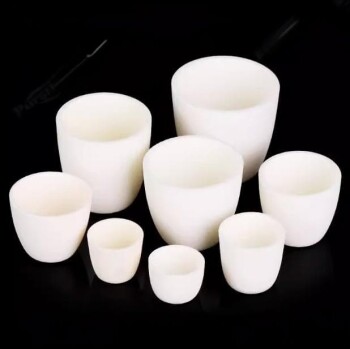
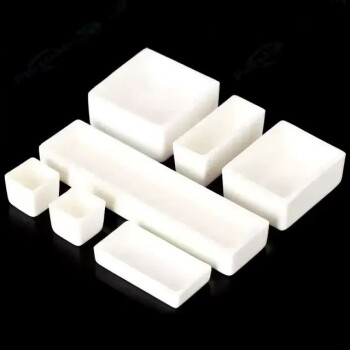
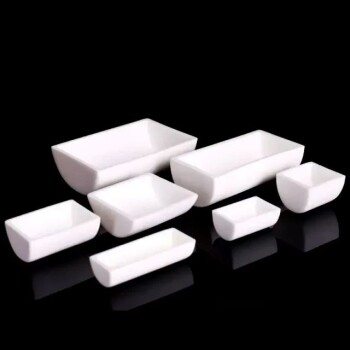
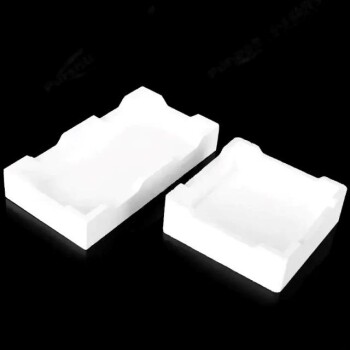
- Arc-Shaped Alumina Ceramic Crucible High Temperature Resistant for Engineering Advanced Fine Ceramics
- Engineering Advanced Fine Alumina Al2O3 Ceramic Crucible for Laboratory Muffle Furnace
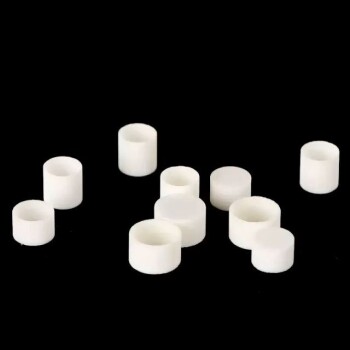
- Engineering Advanced Fine Ceramics Alumina Al2O3 Crucible With Lid Cylindrical Laboratory Crucible
- Engineering Advanced Fine Ceramics Alumina Crucibles (Al2O3) for Thermal Analysis TGA DTA
- Alumina Al2O3 Ceramic Crucible Semicircle Boat with Lid for Engineering Advanced Fine Ceramics
People Also Ask
- Why Use Alumina Crucibles & Powder Burial for NaSICON? Ensure Phase Purity and Prevent Elemental Volatilization
- What is the primary purpose of using alumina crucibles for LLTO ceramics? Optimize Your High-Temperature Sintering
- Why are alumina crucibles and mother powder essential for LATP sintering? Optimize Your Solid Electrolyte Performance
- Why are high-purity alumina crucibles used for liquid lead corrosion experiments? Ensure Data Accuracy at 550°C
- Primary considerations for choosing alumina crucibles and quartz tubes in indium intercalation: Ensure Material Purity