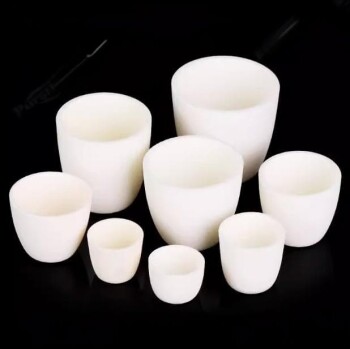
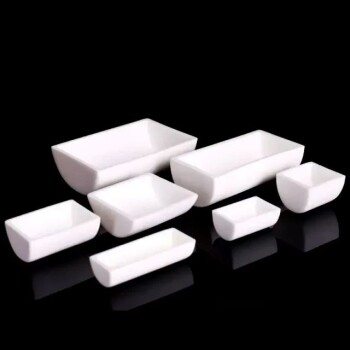
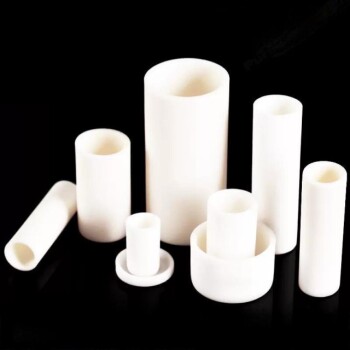
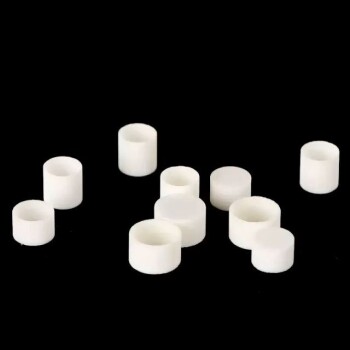
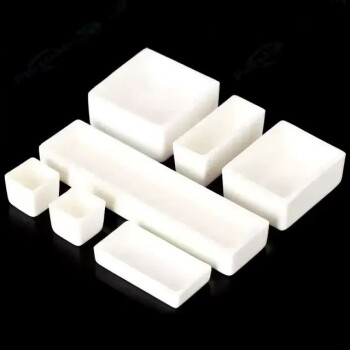
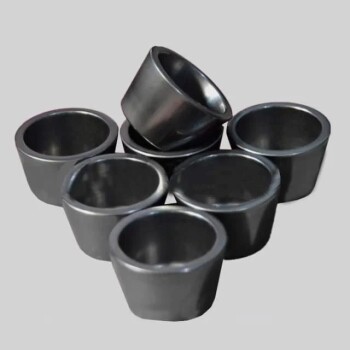
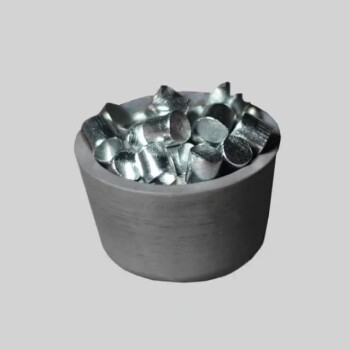
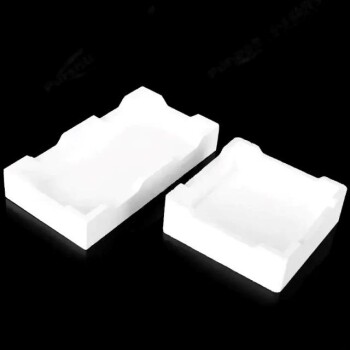
The primary function of an alumina crucible in NaSICON synthesis is to serve as a highly stable containment vessel that withstands extreme processing conditions. It physically holds the dried precursor powders during calcination, enduring temperatures up to 1200°C without degrading. Beyond simple containment, it acts as a selective barrier, shielding the powder from furnace contaminants while permitting the necessary interaction with the air atmosphere.
Alumina crucibles provide the essential balance of thermal resilience and chemical inertness required for solid-state reactions. They ensure that NaSICON precursors react solely with each other and the surrounding air, rather than with the furnace environment or the vessel itself.
Ensuring Material Integrity Under Heat
Withstanding Extreme Temperatures
The solid-state synthesis of NaSICON requires a muffle furnace capable of reaching very high temperatures. An alumina crucible is selected specifically because it maintains structural integrity up to 1200°C.
At these temperatures, lesser materials might soften, melt, or deform. Alumina remains rigid, ensuring the powder is safely contained throughout the entire heating cycle.
Chemical Inertness
High heat often accelerates unwanted chemical reactions between a sample and its container. Alumina offers superior chemical stability, which is critical for maintaining the purity of the NaSICON powder.
This stability prevents the crucible material from leaching into the precursor powder. It ensures the final stoichiometry of the NaSICON is determined only by your mixture, not by foreign elements from the vessel.
Facilitating the Solid-State Reaction
Interaction with the Atmosphere
The synthesis process is not just about heat; it requires an active air atmosphere. The design of the crucible allows ambient air in the furnace to interact directly with the heated powder.
This airflow is a functional requirement for the reaction. It facilitates the specific solid-state changes needed to form the correct NaSICON crystal phase.
Isolating the Sample
While the crucible allows air in, it keeps physical contaminants out. Muffle furnace chambers can be sources of impurity, shedding material from heating elements or insulation walls.
The crucible acts as a protective shield. It isolates the precursor powder from direct contact with the furnace chamber, preventing cross-contamination that could degrade the performance of the final product.
Critical Operational Considerations
Balancing Isolation and Exposure
The use of an alumina crucible represents a necessary trade-off between protection and exposure. You are relying on the vessel to protect the sample from the solid components of the furnace (walls and floor) while exposing it to the gaseous component (air).
The Necessity of Openness
Because the reaction relies on the air atmosphere, the crucible generally cannot be sealed airtight. Over-sealing the vessel to prevent contamination would inadvertently stifle the solid-state reaction by cutting off the necessary air supply.
Optimizing Your Synthesis Setup
To ensure the highest quality NaSICON powder, consider these factors when utilizing your crucible:
- If your primary focus is material purity: Ensure you are using high-purity alumina to guarantee that the vessel remains chemically inert at 1200°C, eliminating any risk of leaching.
- If your primary focus is phase formation: Verify that the crucible is positioned to maximize exposure to the air atmosphere, avoiding overcrowding in the furnace that might restrict airflow to the powder.
Correctly utilizing the alumina crucible safeguards the chemical fidelity of your synthesis, ensuring a pure and properly reacted final product.
Summary Table:
| Feature | Role in NaSICON Synthesis |
|---|---|
| Thermal Resistance | Withstands calcination temperatures up to 1200°C without deformation. |
| Chemical Inertness | Prevents leaching and contamination to maintain precise stoichiometry. |
| Atmospheric Access | Allows essential air interaction for correct crystal phase formation. |
| Physical Shielding | Protects precursor powders from furnace wall or element debris. |
Elevate Your Solid-State Synthesis with KINTEK Precision
Achieving the perfect NaSICON crystal phase requires equipment that guarantees purity and performance. KINTEK specializes in high-quality laboratory solutions designed for rigorous research environments. From our high-purity alumina crucibles and ceramics to our advanced muffle and tube furnaces, we provide the thermal processing tools you need for reliable material synthesis.
Our extensive portfolio also includes crushing and milling systems, pellet presses, and specialized battery research tools, ensuring you have everything required for a seamless workflow.
Ready to optimize your lab's efficiency and material integrity? Contact KINTEK today to discover how our high-temperature solutions and laboratory consumables can support your next breakthrough.
Related Products
- Arc-Shaped Alumina Ceramic Crucible High Temperature Resistant for Engineering Advanced Fine Ceramics
- Alumina Al2O3 Ceramic Crucible Semicircle Boat with Lid for Engineering Advanced Fine Ceramics
- Engineering Advanced Fine Ceramics Alumina Al2O3 Crucible With Lid Cylindrical Laboratory Crucible
- Engineering Advanced Fine Ceramics Alumina Crucibles (Al2O3) for Thermal Analysis TGA DTA
- Engineering Advanced Fine Alumina Al2O3 Ceramic Crucible for Laboratory Muffle Furnace
People Also Ask
- Why Use Alumina Crucibles & Powder Burial for NaSICON? Ensure Phase Purity and Prevent Elemental Volatilization
- What is the primary purpose of using alumina crucibles for LLTO ceramics? Optimize Your High-Temperature Sintering
- Why are alumina crucibles and mother powder essential for LATP sintering? Optimize Your Solid Electrolyte Performance
- Why are high-purity alumina crucibles used for liquid lead corrosion experiments? Ensure Data Accuracy at 550°C
- Primary considerations for choosing alumina crucibles and quartz tubes in indium intercalation: Ensure Material Purity