Toggle Categories
Get Instant Support
Choose your preferred way to connect with our team
Response Time
Within 8 hours on working days, 24 hours on holidays
Lab Consumables & Materials
KinTek offers a range of lab consumables and materials, including evaporation materials, targets, metals, electrochemistry parts, as well as powders, pellets, wires, strips, foils, plates, and more.


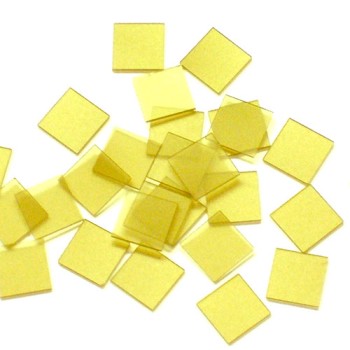
Lab Consumables & Materials
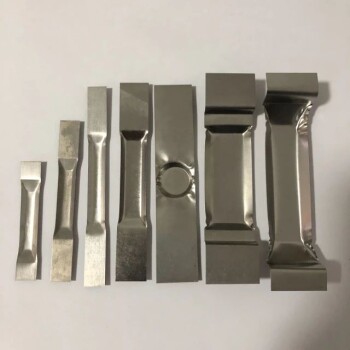
Tungsten Evaporation Boat for Thin Film Deposition
Item Number: LMF-TEB
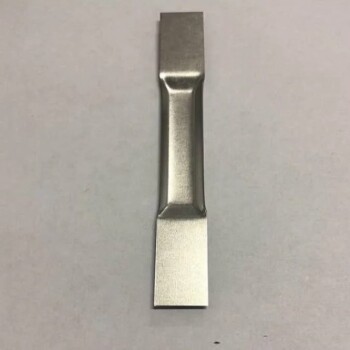
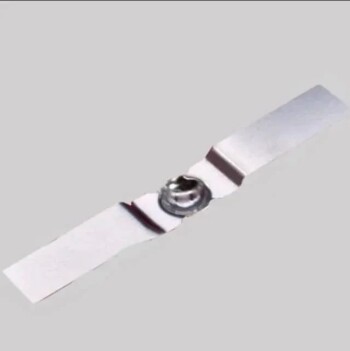
Hemispherical Bottom Tungsten Molybdenum Evaporation Boat
Item Number: KME-YD
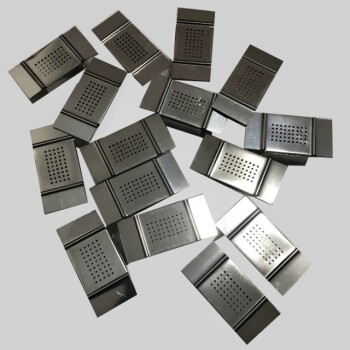
Folding Molybdenum Tantalum Boat With or Without Cover
Item Number: KME-ZDZ
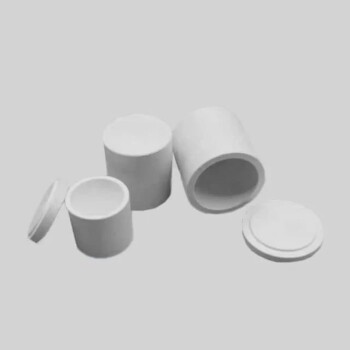
Evaporation Crucible for Organic Matter
Item Number: KME-YJG
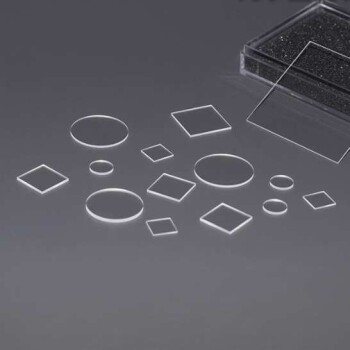
Infrared Transmission Coating Sapphire Sheet Substrate Window
Item Number: KTOM-ISS
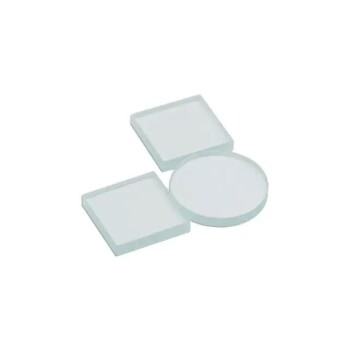
Float Soda-Lime Optical Glass for Laboratory Use
Item Number: KTOM-FSO
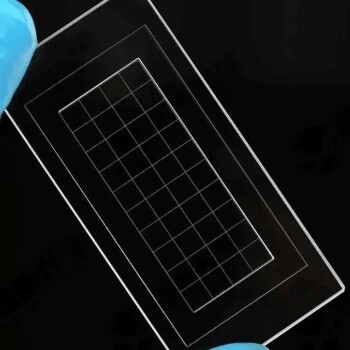
Zooplankton Plankton Counting Chamber for Plankton Eggs and Ascaris Eggs
Item Number: KTOM-PAE
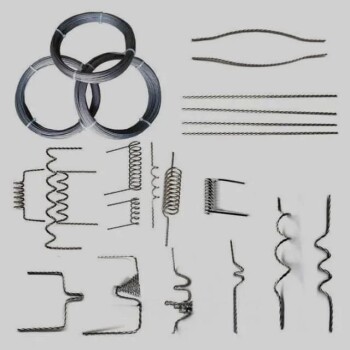
Thermally Evaporated Tungsten Wire for High Temperature Applications
Item Number: KME08
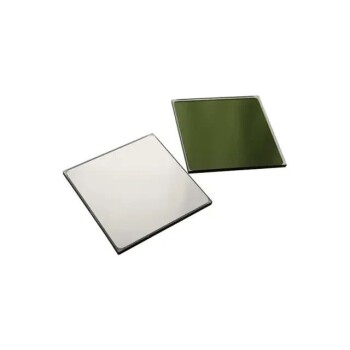
Optical Window Glass Substrate Wafer Single Double Sided Coated K9 Quartz Sheet
Item Number: KTOM-CGS
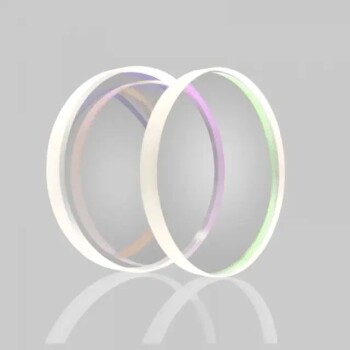
Optical Window Glass Substrate Wafer Barium Fluoride BaF2 Substrate Window
Item Number: KTOM-BFS

Ceramic Evaporation Boat Set Alumina Crucible for Laboratory Use
Item Number: KME09
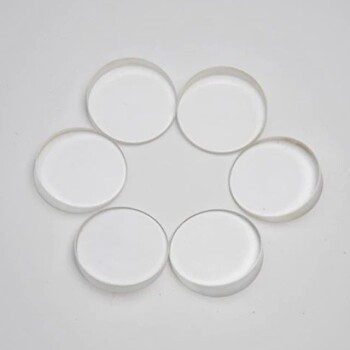
Optical Window Glass Substrate Wafer CaF2 Substrate Window Lens
Item Number: KTOM-CFW
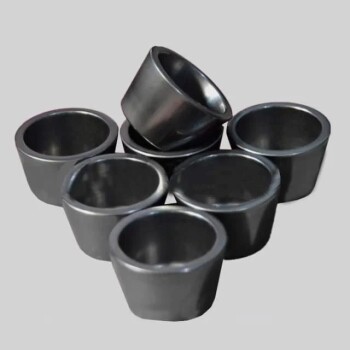
High Purity Pure Graphite Crucible for Electron Beam Evaporation
Item Number: KMS02
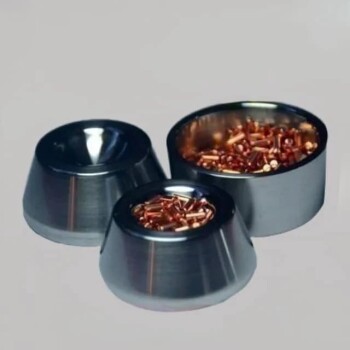
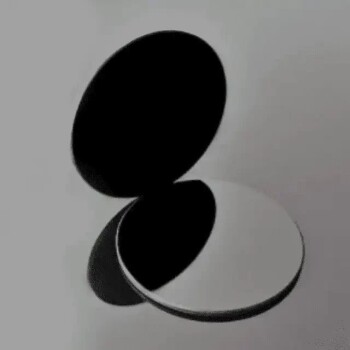
Infrared Thermal Imaging Temperature Measurement Double-Sided Coated Germanium Ge Lens
Item Number: KTOM-CGL
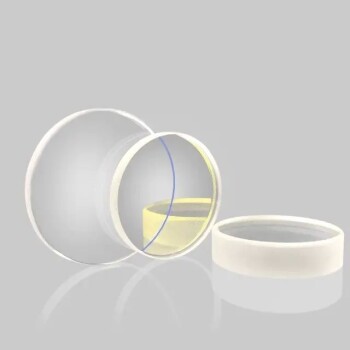
Optical Window Glass Substrate Wafer Sheets Zinc Sulfide ZnS Window
Item Number: KTOM-ZSS

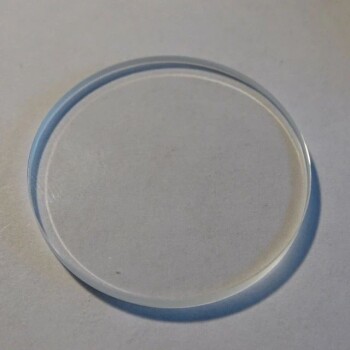
400-700nm Wavelength Anti Reflective AR Coating Glass
Item Number: KTOM-ARG
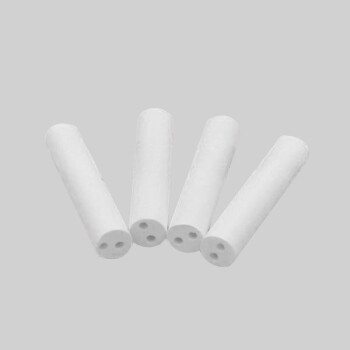
Hexagonal Boron Nitride HBN Thermocouple Protection Tube
Item Number: KM-D02
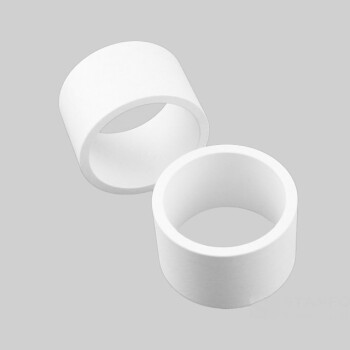
Boron Nitride (BN) Ceramic Tube
Item Number: KM-D5
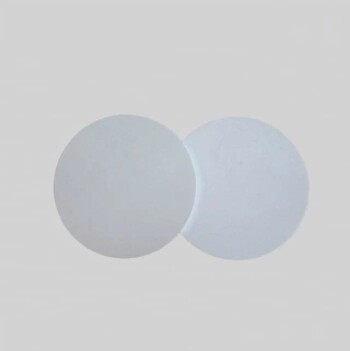
Boron Nitride (BN) Ceramic Plate
Item Number: KM-D7
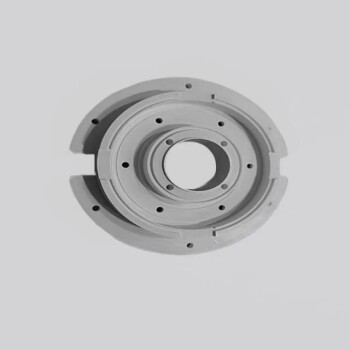
Custom Boron Nitride (BN) Ceramic Parts
Item Number: KM-D8
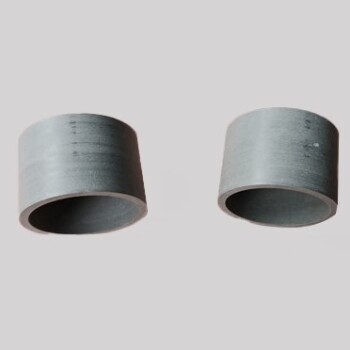
Conductive Boron Nitride BN Ceramics Composite for Advanced Applications
Item Number: KM-D9
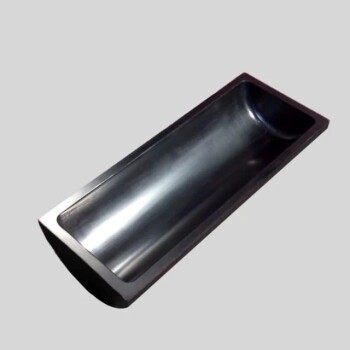
Carbon Graphite Boat -Laboratory Tube Furnace with Cover
Item Number: KM-D10
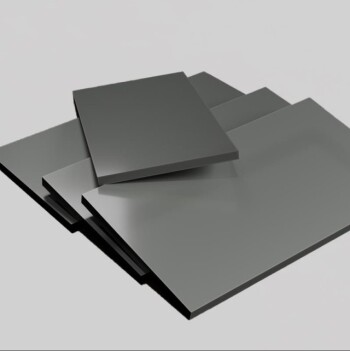
Carbon Graphite Plate Manufactured by Isostatic Pressing Method
Item Number: KM-D11
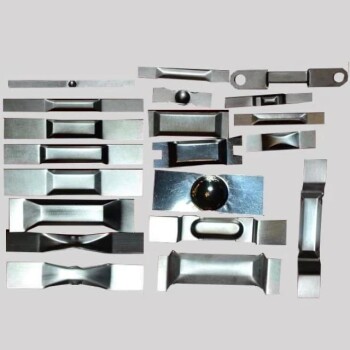
Molybdenum Tungsten Tantalum Special Shape Evaporation Boat
Item Number: KME01-2
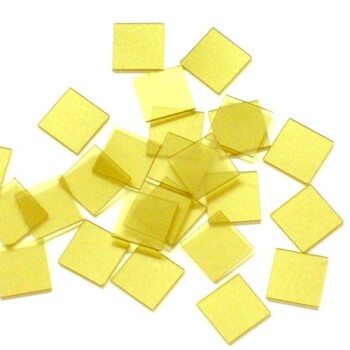
CVD Diamond for Thermal Management Applications
Item Number: cvdm-02
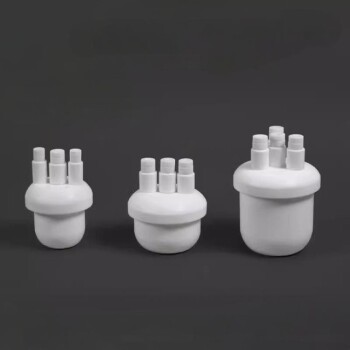
Custom PTFE Teflon Parts Manufacturer for Three-Necked Round Bottom Flask
Item Number: PTFE-36
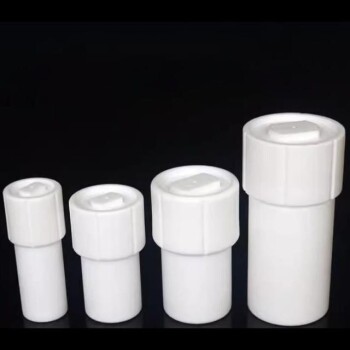
Custom PTFE Teflon Parts Manufacturer for Microwave Digestion Tank
Item Number: PTFE-37
Edit This Page
REQUEST A QUOTE
Our professional team will reply to you within one business day. Please feel free to contact us!
Related Articles
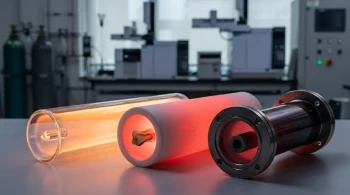
The Silent Partner: Why Your Furnace Tube Defines Your Experiment
Choosing a furnace tube isn't just about heat. It's a critical decision balancing physics, chemistry, and the risk of experimental failure.
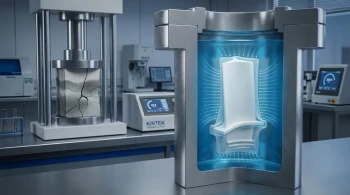
Beyond Brute Force: The Physics of Perfect Density in Cold Isostatic Pressing
Discover how Cold Isostatic Pressing leverages Pascal's Law to achieve uniform density in ceramics and metals, preventing defects in high-stress components.

From Powder to Part: The Strategic Choice Between Wet-Bag and Dry-Bag CIP
A deep dive into wet-bag vs. dry-bag Cold Isostatic Pressing, framing the choice not as technical, but as a strategic manufacturing decision.
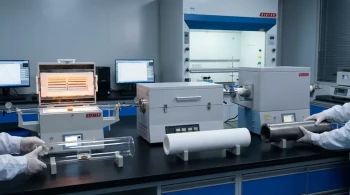
The Crucible's Choice: Why Your Furnace Tube Material Defines Experimental Success
Selecting a furnace tube is a critical trade-off between thermal resilience, chemical purity, and operational integrity. Make the right choice.
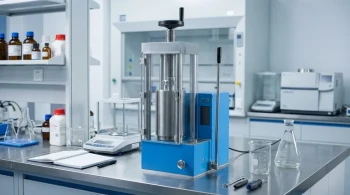
The Architecture of Pressure: How Cold Isostatic Pressing Builds Flawless Materials
Discover how Cold Isostatic Pressing (CIP) uses uniform pressure, not brute force, to create high-density material preforms with perfect consistency.
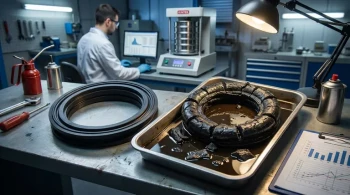
It’s Not a 'Bad Batch': Why Your High-Strength Rubber Parts Are Failing Prematurely
Frustrated by rubber components failing? The cause is rarely a 'bad batch.' Learn the real reason and how to select the right material every time.
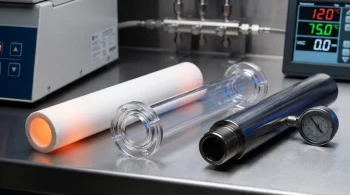
More Than a Vessel: The Physics and Psychology of Selecting a Furnace Tube
Choosing a furnace tube isn't a material spec; it's a strategic trade-off between temperature, purity, and pressure that defines your results.
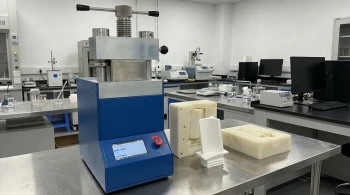
The Tyranny of Unidirectional Force: Why Perfect Parts Begin with Uniform Pressure
Explore how Cold Isostatic Pressing (CIP) leverages Pascal's Law to eliminate hidden flaws in parts, ensuring uniform density and superior results.
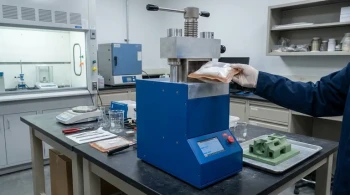
Beyond the Piston: How Isostatic Pressing Solves the Hidden Flaws in Material Science
Cold Isostatic Pressing (CIP) overcomes the hidden density flaws of traditional methods by applying uniform pressure, creating superior material integrity.
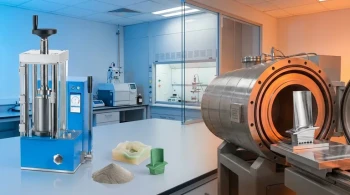
From Dust to Density: The Two Pressures That Shape Modern Materials
Explore the crucial difference between Cold Isostatic Pressing (CIP) for forming parts and Hot Isostatic Pressing (HIP) for perfecting them.
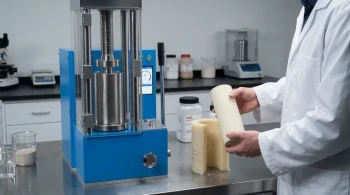
The Unseen Flaw: Why Uniform Density Is Everything in Powder Metallurgy
Traditional pressing creates hidden flaws. Cold Isostatic Pressing (CIP) uses uniform pressure to achieve perfect density, ensuring component integrity.
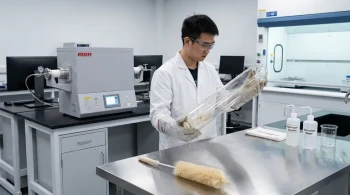
The Integrity of the Void: A Systems Approach to Cleaning Tube Furnace Tubes
Cleaning a furnace tube is a diagnostic process, not a checklist. Master thermal, chemical, & mechanical methods to ensure experimental purity.
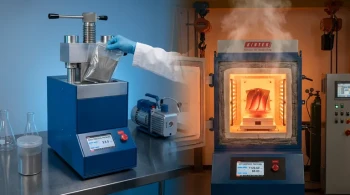
Shaping Potential vs. Forging Perfection: A Guide to Isostatic Pressing
Explore the critical difference between Cold Isostatic Pressing (CIP) for forming parts and Hot Isostatic Pressing (HIP) for perfecting them.
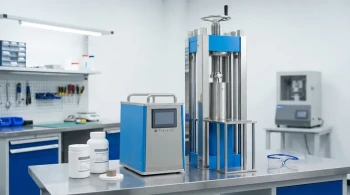
Beyond Brute Force: The Quiet Power of Cold Isostatic Pressing
Learn how Cold Isostatic Pressing overcomes the hidden defects of traditional methods by using uniform fluid pressure to ensure material reliability.
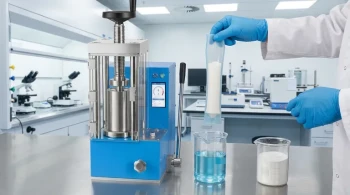
The Pursuit of Uniformity: How Isostatic Pressing Solves the Hidden Flaws of Compression
Discover how Cold Isostatic Pressing (CIP) uses uniform pressure to eliminate hidden material defects and create high-integrity components.
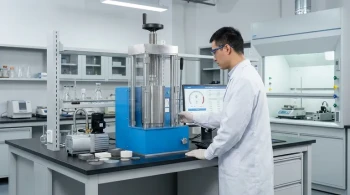
Beyond Brute Force: The Physics of Uniform Density in Cold Isostatic Pressing
Discover how Cold Isostatic Pressing (CIP) uses isostatic pressure to eliminate hidden voids and create components with superior uniform density.
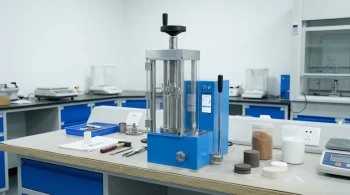
The Price of Uniformity: A Strategic Guide to Cold Isostatic Press Costs
A Cold Isostatic Press's cost reflects its capabilities. Learn how pressure, size, and automation dictate its price to find the right investment.
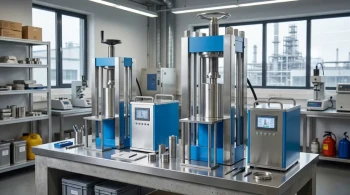
Beyond the Press: Why Uniform Density Is the Bedrock of Advanced Materials
Discover how cold isostatic pressing (CIP) eliminates hidden density variations, a critical step for creating reliable, high-performance components.
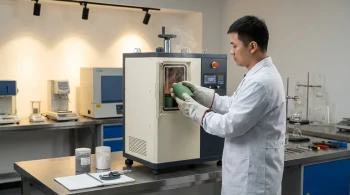
Beyond the Spec Sheet: Mastering the Thermal Dynamics of Warm Isostatic Pressing
Discover why the 80-120°C range is crucial in Warm Isostatic Pressing and how material science, not machine specs, dictates process success.
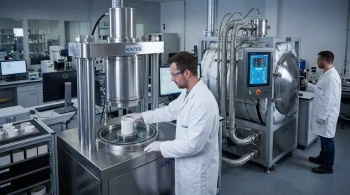
Beyond Brute Force: How Isostatic Pressing Creates Flawless Materials
Explore isostatic pressing, a method using uniform pressure, not brute force, to eliminate microscopic flaws and achieve perfect material density.