
Molds & Accessories
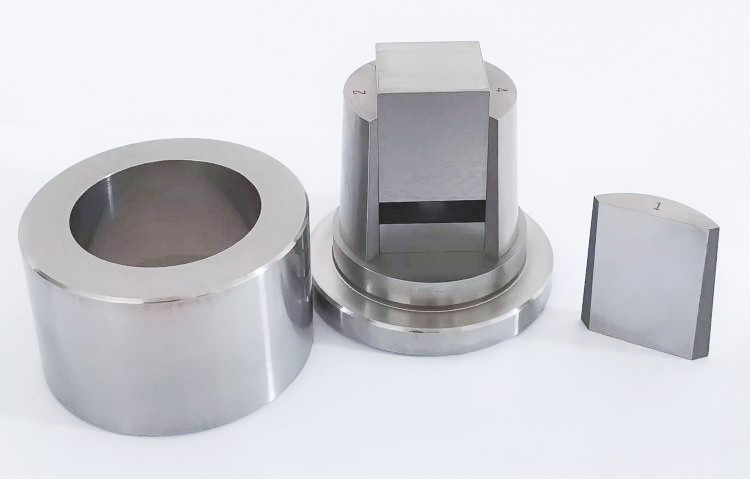
Assemble Square Lab Press Mold for Laboratory Applications
Item Number : PMAS
Price varies based on specs and customizations
- Material
- Cr12MoV
- Indenter hardness
- HRC60-HRC62
- Cavity depth
- 30-50 mm

Shipping:
Contact us to get shipping details Enjoy On-time Dispatch Guarantee.
Why Choose Us
Easy ordering process, quality products, and dedicated support for your business success.
Applications
Assemble Lab Cylindrical Press mold is suitable for some thin strip samples that are not easy to form. The mold solves the problem of sample failure caused by the expansion and deformation of the sample during the demolding process by quickly disassembling the mold jacket.
The mold is widely used in battery, superconductor, cement, ceramics, catalysis, silicate, powder metallurgy, sea mud analysis, biochemical analysis and new material sample preparation research and development. In addition, the product can also be used with calcium iron, infrared, X-ray fluorescence and other testing instruments.
The mold is made of Japanese high-speed steel, high hardness, no deformation, long service life.
Special sizes press molds can be customized according to customer requirements.
Detail & Parts
![Square flap mold [width 3-10mm]](https://image.kindle-tech.com/images/products/119/c0e00241d310cfd590068bc93327ee4d67bc1e80e6994.jpg)
![Square flap mold [width 11-20mm]](https://image.kindle-tech.com/images/products/119/f6a39be788977d0f18a9a8f391362dfa67bc1ea21d817.jpg)
![Square flap mold [width 21-40mm]](https://image.kindle-tech.com/images/products/119/e3a82e7337e69d0d8a68d302dbef7c2067bc1ed41e168.jpg)
![Square flap mold [width 61-80mm]](https://image.kindle-tech.com/images/products/119/cad52ef69caca1484440a1b8077e29d867bc1eea93153.jpg)



Technical specifications
| Model | PMAS-A | PMAS-B | PMAS-C | PMAS-D | PMAS-E |
|---|---|---|---|---|---|
| Material | Cr12MoV | ||||
| Indenter hardness | HRC60-HRC62 | ||||
| Sample size | 3*3、4*4、5*5、6*6、8*8、10*10 mm (M) | 12*12、15*15、18*18、20*20mm(M) | 30*30、40*40 mm (M) | 50*50、60*60 mm(M) | 70*70、80*80 mm (M) |
| Cavity depth | 30mm (N) | 40 mm (N) | 50 mm (N) | 55 mm (N) | 60 mm (N) |
| External dimensions | Φ53*120mm(L*H) | Φ73*133mm(L*H) | Φ95*133mm、Φ115*133mm(L*H) | Φ127*150mm、Φ153*150mm (L*H) | Φ180*180mm、Φ200*180mm(L*H) |
| Weight(Kg) | 1.2Kg | 3.6Kg | 7Kg、14Kg | 20Kg、30Kg | 40Kg、50Kg |
| Other sizes can be customized | |||||
Operation steps
The rectangular open-flap mold is suitable for the forming of ultra-fine powder or sample which is easy to be delaminated and cracked.

Step 1: Assemble the die according to the operation diagram and install the sample in the cavity.

Step 2: Put the die in the center of the hydraulic press and pressurize to required pressure.
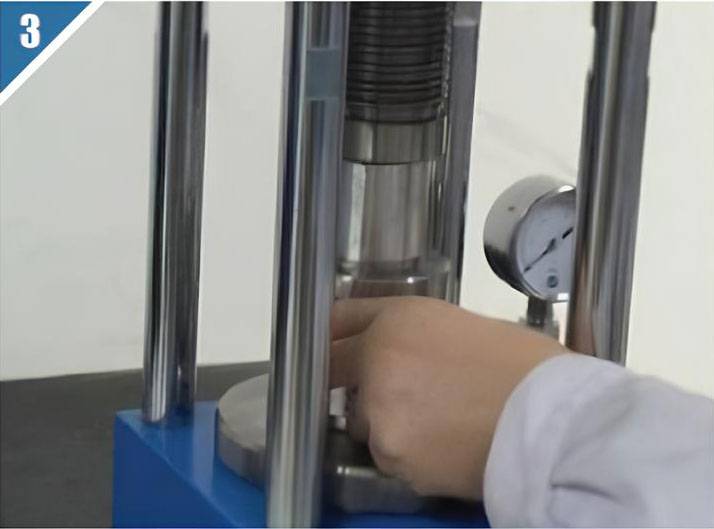
Step 3:Assemble the die according to the release diagram , eject the sample out of the die bushing with the screw rod.

Step 4: Take out the die from the hydraulic press , and remove the sample gently.
Precautions for mold maintenance
To ensure accurate test results, clean the mold surface with dust-free paper before each use to avoid the anti-rust oil from affecting the sample. Avoid exceeding the maximum pressure when applying pressure. Clean the mold and samples after use to prevent corrosion. Apply anti-rust oil and store the mold in a dry environment if not used for a long time to prevent damage.
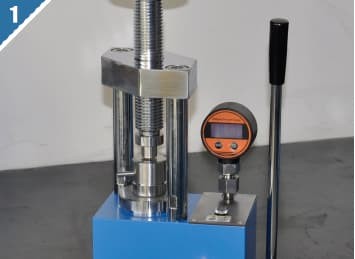
Step 1: Placing the Mold.
To begin, place the mold in the center of the tablet press. It is important to note that the maximum pressure of the mold cannot be exceeded when pressurized. This will prevent any damage to the mold and ensure accurate test results.

Step 2: Cleaning the Mold.
After each use, it is essential to clean the mold to prevent any contamination of the sample. Using dust-free paper, wipe the surface of the mold clean. If there are sample residues on the surface that cannot be removed, please do not use chemical reagents to clean and soak. This could potentially damage the mold and impact the accuracy of the test results.

Step 3: Applying Anti-Rust Oil.
If the mold is not used for an extended period, it is recommended to apply anti-rust oil on the surface of the mold to prevent rusting. This step will help prolong the life of the mold and ensure that it remains in good condition for future use.
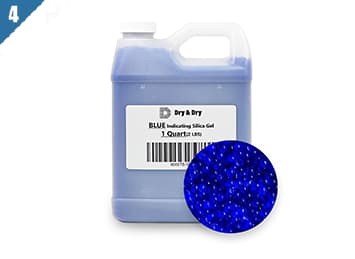
Step 4: Storing the Mold.
Lastly, if the mold is not used for a long time, it needs to be stored in a dry environment. This will prevent any moisture from accumulating on the mold and causing damage.
Full range of lab press types
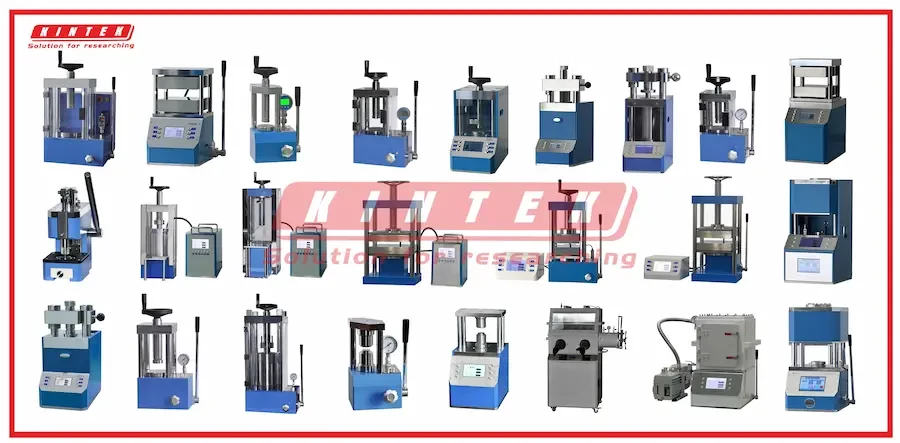
Click to view our full range of lab press products.
Any question? Our experts have helped many laboratories choose their lab press, contact us now!
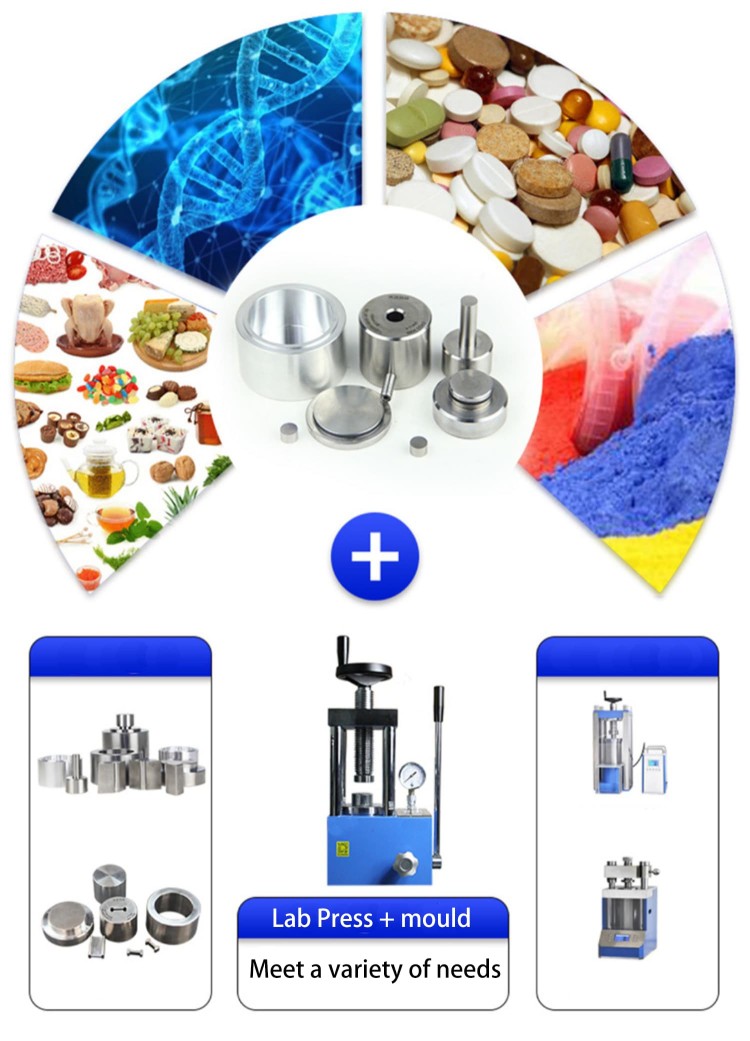
Full range of types of laboratory press molds
We have a full range of molds for you to choose from, and the molds fit the body perfectly.
If you need molds with special shapes, we can also customize them for you.
Warnings
Operator safety is the top important issue! Please operate the equipment with cautions. Working with inflammable& explosive or toxic gases is very dangerous, operators must take all necessary precautions before starting the equipment. Working with positive pressure inside the reactors or chambers is dangerous, operator must fellow the safety procedures strictly. Extra caution must also be taken when operating with air-reactive materials, especially under vacuum. A leak can draw air into the apparatus and cause a violent reaction to occur.
Designed for You
KinTek provide deep custom made service and equipment to worldwide customers, our specialized teamwork and rich experienced engineers are capable to undertake the custom tailoring hardware and software equipment requirements, and help our customer to build up the exclusive and personalized equipment and solution!
Would you please drop your ideas to us, our engineers are ready for you now!
Trusted by Industry Leaders

FAQ
What Is A Press Mold?
What Is Press Mould In Ceramics?
How Are Pellet Molds Used?
What Types Of Materials Can Be Pelletized Using Pellet Molds?
How Can One Select The Appropriate Pellet Mold For Their Specific Application?
REQUEST A QUOTE
Our professional team will reply to you within one business day. Please feel free to contact us!
Related Products
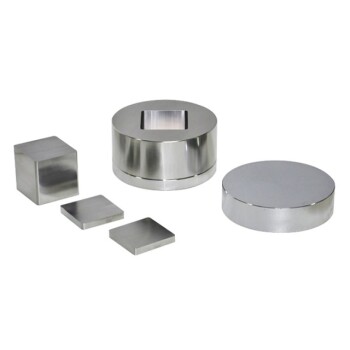
Square Lab Press Mold for Laboratory Applications
Create uniform samples easily with Square Lab Press Mold - available in various sizes. Ideal for battery, cement, ceramics, and more. Custom sizes available.
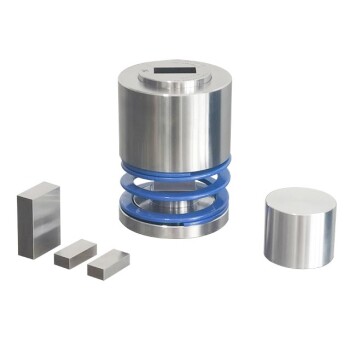
Square Bidirectional Pressure Mold for Lab Use
Discover precision in molding with our Square Bidirectional Pressure Mold. Ideal for creating diverse shapes and sizes, from squares to hexagons, under high pressure and uniform heating. Perfect for advanced material processing.
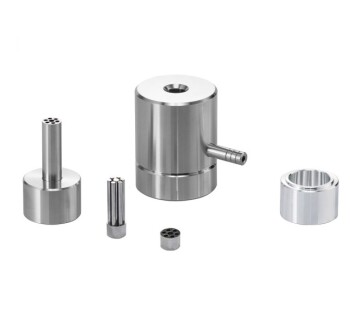
Special Shape Press Mold for Lab
Discover high-pressure special shape press molds for diverse applications, from ceramics to automotive parts. Ideal for precise, efficient molding of various shapes and sizes.

Cylindrical Press Mold with Scale for Lab
Discover precision with our Cylindrical Press Mold. Ideal for high-pressure applications, it molds various shapes and sizes, ensuring stability and uniformity. Perfect for lab use.

Round Bidirectional Press Mold for Lab
The round bidirectional press mold is a specialized tool used in high-pressure molding processes, particularly for creating intricate shapes from metal powders.
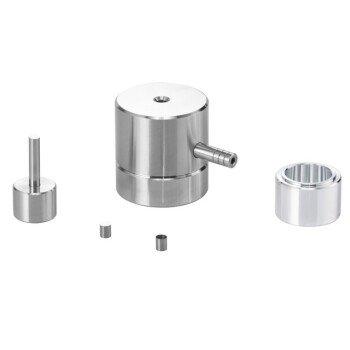
Cylindrical Press Mold for Lab Applications
Efficiently form and test most samples with Cylindrical Press Molds in a range of sizes. Made of Japanese high-speed steel, with long service life and customizable sizes.
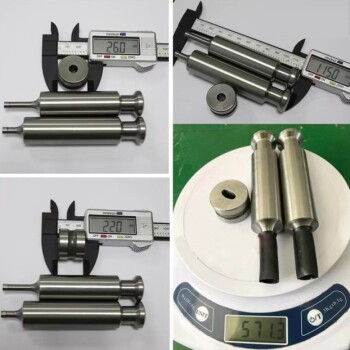
Multi-Punch Rotary Tablet Press Mold Ring for Rotating Oval and Square Molds
The multi-punch rotary tablet press mold stands as a pivotal component in pharmaceutical and manufacturing industries, revolutionizing the process of tablet production. This intricate mold system comprises multiple punches and dies arranged in a circular fashion, facilitating rapid and efficient tablet formation.
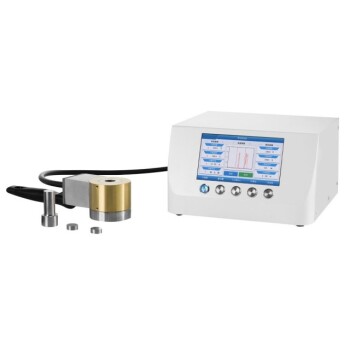
Cylindrical Lab Electric Heating Press Mold for Laboratory Applications
Efficiently prepare samples with Cylindrical Lab Electric Heating Press Mold. Fast heating, high temp & easy operation. Custom sizes available. Perfect for battery, ceramic & biochemical research.
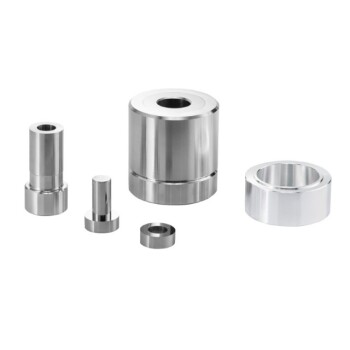
Ring Press Mold for Lab Applications
Ring Press Dies, also known as Circular Pellet Press Die Sets, are integral components in various industrial and laboratory processes.
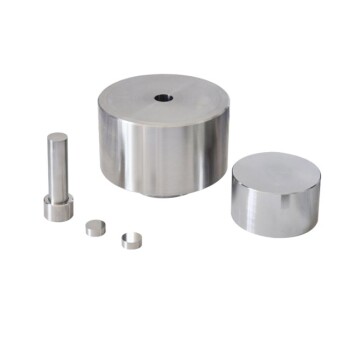
Anti-Cracking Press Mold for Lab Use
The anti-cracking press mold is a specialized equipment designed for molding various shapes and sizes of film using high pressure and electric heating.
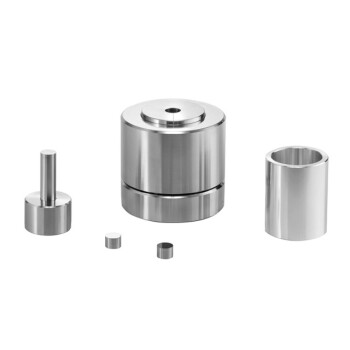
Assemble Lab Cylindrical Press Mold
Get reliable and precise molding with Assemble Lab Cylindrical Press Mold. Perfect for ultra-fine powder or delicate samples, widely used in material research and development.

Double Plate Heating Press Mold for Lab
Discover precision in heating with our Double Plate Heating Mold, featuring high-quality steel and uniform temperature control for efficient lab processes. Ideal for various thermal applications.
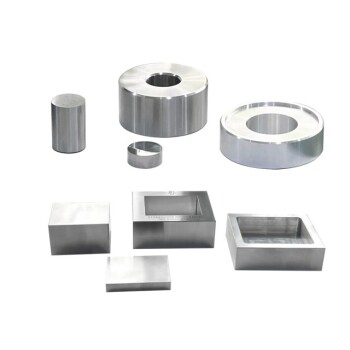
Special Heat Press Mold for Lab Use
Square, round and flat plate forming dies for hot presses.

Ball Press Mold for Lab
Explore versatile Hydraulic Hot Press molds for precise compression molding. Ideal for creating various shapes and sizes with uniform stability.

XRF Boric Acid Lab Powder Pellet Pressing Mold for Laboratory Use
Get accurate results with our XRF Boric Acid lab Powder Pellet Pressing Mold. Perfect for preparing samples for X-ray fluorescence spectrometry. Custom sizes available.
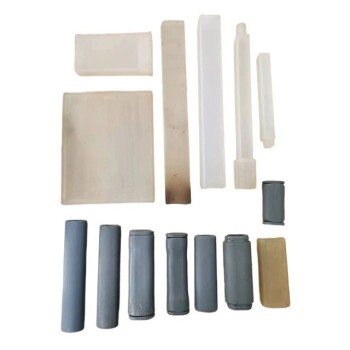
Isostatic Molding Pressing Molds for Lab
Explore high-performance isostatic pressing molds for advanced material processing. Ideal for achieving uniform density and strength in manufacturing.
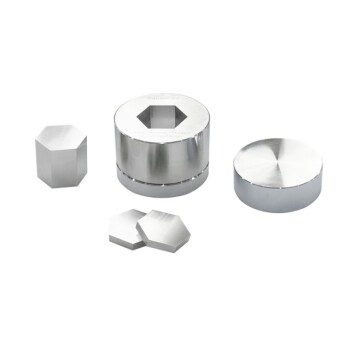
Polygon Press Mold for Lab
Discover precision polygon press molds for sintering. Ideal for pentagon-shaped parts, our molds ensure uniform pressure and stability. Perfect for repeatable, high-quality production.
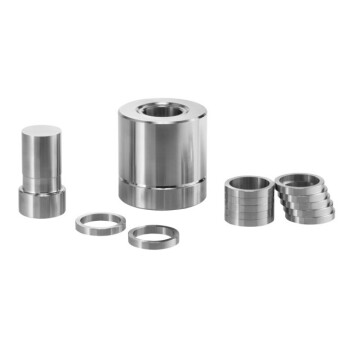
XRF & KBR steel ring lab Powder Pellet Pressing Mold for FTIR
Produce perfect XRF samples with our steel ring lab powder pellet pressing mold. Fast tableting speed and customizable sizes for accurate molding every time.
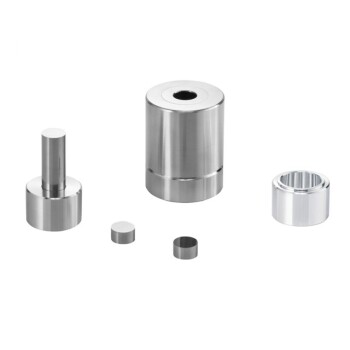
Carbide Lab Press Mold for Laboratory Applications
Form ultra-hard samples with Carbide Lab Press Mold. Made of Japanese high-speed steel, it has a long service life. Custom sizes available.
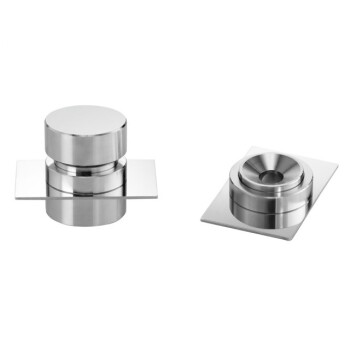
No Demolding Lab Infrared Press Mold for Laboratory Applications
Effortlessly test your samples with no demolding required using our lab infrared press mold. Enjoy high transmittance and customizable sizes for your convenience.
Related Articles

An In-Depth Guide on Laboratory Presses and KBr Pellets Production
In the world of scientific research and analysis, laboratory presses and KBr pellet production play a crucial role. These tools are essential in the preparation of samples for various analytical techniques, such as infrared spectroscopy and XRF spectroscopy.
How to prevent surface defects in laboratory presses
For small laboratory press, various problems will occur during use. For example, the surface defects, the piston may not return to the top of the cylinder when the press is released etc... So how to reduce or prevent surface defects of the lab press?
Understanding the Importance and Applications of Laboratory Presses
Laboratory presses play a vital role in various industries, providing precision and consistency in demanding operations. These versatile machines are used for testing, compacting, and molding materials in sectors such as pharmaceutical, laminating, rubber, and plastic molding. Whether it's for R&D, limited production, or lean manufacturing, laboratory presses offer durability and rigorous demand fulfillment.
Comprehensive Analysis of the Laboratory Press and Its Key Features
In the world of laboratory research and testing, having a reliable and efficient laboratory press is crucial. Whether you're working with materials testing, sample preparation, or quality control, a laboratory press can greatly enhance your workflow.
How Pressed Pellet Technique Helps to Improve Material Utilization Efficiency
Pressed pellet technique is a widely used method for preparing solid samples for analysis. The technique involves compressing a powdered sample into a pellet form using a laboratory press.
Understanding Laboratory Press and its Functionality in Rubber Industry
In the rubber industry, laboratory presses play a crucial role in the manufacturing process. These presses are used for various purposes, such as rubber vulcanization and testing. Understanding how laboratory presses function is essential for ensuring efficient production and maintaining product quality. In this blog post, we will explore the functionality of laboratory presses in the rubber industry, including their role in the vulcanization process.
Understanding the Features and Functions of Laboratory Press
Laboratory presses are essential equipment in various industries, offering precise and controlled sample preparation for testing and research purposes. These presses come with a range of features and functions that ensure reliable and consistent results. Understanding the capabilities of laboratory presses is crucial for businesses looking to optimize their sample preparation processes. From uniform temperature distribution to mechanical solidity, these presses offer a comprehensive solution for consistent sample thickness and closure force.
How to Choose the Right Lab Press
Lab presses are used in a variety of applications, including material research, sample preparation, and quality control. The importance of a lab press lies in its ability to provide accurate and consistent pressure and force, which is crucial in obtaining reliable results. Choosing the right lab press is essential to ensure that your laboratory work is efficient and accurate.
Why Your Lab Press Results are Warped, Bubbled, and Inconsistent—And How to Fix It for Good
Stop wasting materials. Learn why inconsistent heat and pressure ruin lab press results and how the right equipment ensures flawless bonding and molding.
The Future of Lab Presses in Research and Development
Lab presses are an essential tool in research and development for a wide range of industries, including pharmaceuticals, materials science, and electronics.
Tips With ADJUST THE PRESSURE OF THE LAB PRESS
When designing a pressure test, the required pressure is generally determined based on the material being tested. For example, softer materials may require less pressure than harder materials. The amount of pressure required will also depend on the specific test being performed.
Choosing the Right Lab Press: A Comprehensive Guide
When choosing a lab press, it is important to consider the load or force that will be applied to the sample. This will ensure that the press is capable of providing the necessary pressure for your specific application.