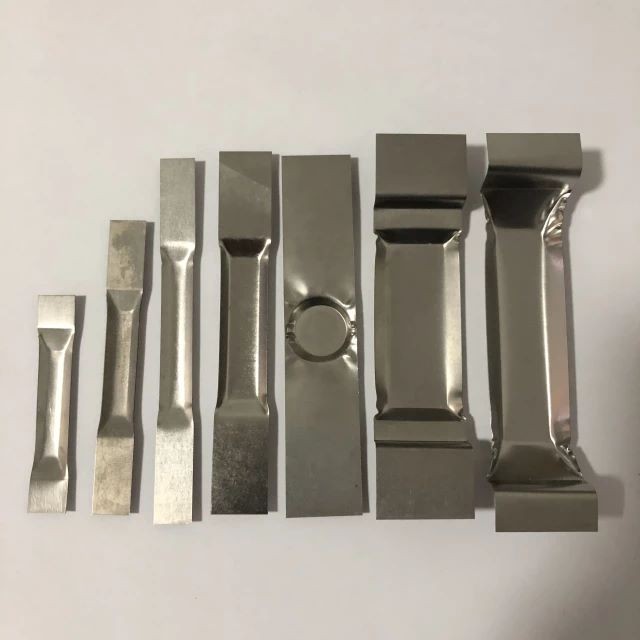
Thin Film Deposition Parts
Tungsten Evaporation Boat for Thin Film Deposition
Item Number : LMF-TEB
Price varies based on specs and customizations
- Thickness
- 0.2-0.5 mm
- Width
- 7-25 mm
- Length
- 50-100 mm
- Shape
- Round bottom / Flat bottom / Butterfly / Customizable

Shipping:
Contact us to get shipping details Enjoy On-time Dispatch Guarantee.
Why Choose Us
Easy ordering process, quality products, and dedicated support for your business success.
Tungsten boats are a typical product of transition metal tungsten. These boats are also referred to as evaporated or coated tungsten boats. The high tungsten content of 99.95% gives these boats physical and chemical properties that are very similar to metal tungsten.
Tungsten boats have high density, melting point, strength, hardness, and low evaporation rate, vapor pressure, and wear resistance, making them ideal for high-temperature environments. There are different types of tungsten boats used for different purposes such as stamping, folding, welding, and riveting boats. Their size is also an important factor to consider during the actual application process.
Tungsten boats are widely used in vacuum coating industries or vacuum annealing industries for various applications such as gold plating, evaporators, imaging control mirrors, heating containers, electron beam painting, household appliances, consumer electronics, semiconductors, and decorations. However, it is important to note that the thin wall thickness and high-temperature working environment of these boats can lead to deformation, with the boat wall bending inward. In severe cases of deformation, the product may not be able to continue to be used.
Technical specifications
| Models | Thickness (mm) | Width (mm) | Length (mm) | Shape |
| #207 | 0.2 | 7 | 100 | Round bottom / Flat bottom / Butterfly / Customizable |
| #215 | 0.2 | 15 | 100 | |
| #308 | 0.3 | 8 | 100 | |
| #310 | 0.3 | 10 | 100 | |
| #315 | 0.3 | 15 | 100 | |
| #413 | 0.4 | 13 | 50 | |
| #525 | 0.5 | 25 | 78 |
We offer evaporation boats in regular and custom sizes, and can process riveted and welded boats according to customer drawings. Alongside tungsten and molybdenum boats, we also produce and supply various products such as tungsten and molybdenum crucibles for coating, high temperature molybdenum crucibles and boxes, TZM boats and boxes, and more.
Details


Trusted by Industry Leaders
FAQ
What Are Tungsten Boats?
What Are The Advantages Of Using Tungsten Boats?
What Is Physical Vapor Deposition (PVD)?
What Are Thermal Evaporation Sources?
What Is Magnetron Sputtering?
What Are The Main Types Of Thermal Evaporation Sources?
What Are The Methods Used To Deposit Thin Films?
Why Magnetron Sputtering?
How Do Thermal Evaporation Sources Work?
What Is Thin Film Deposition Equipment?
What Are The Advantages Of Using Evaporation Boats?
What Are The Materials Used In Thin Film Deposition?
Thin film deposition commonly utilizes metals, oxides, and compounds as materials, each with its unique advantages and disadvantages. Metals are preferred for their durability and ease of deposition but are relatively expensive. Oxides are highly durable, can withstand high temperatures, and can be deposited at low temperatures, but can be brittle and challenging to work with. Compounds offer strength and durability, can be deposited at low temperatures and tailored to exhibit specific properties.
The selection of material for a thin film coating is dependent on the application requirements. Metals are ideal for thermal and electrical conduction, while oxides are effective in offering protection. Compounds can be tailored to suit specific needs. Ultimately, the best material for a particular project will depend on the specific needs of the application.
What Are The Advantages Of Using Thermal Evaporation Sources?
What Is Thin-film Deposition Technology?
What Is The Typical Lifespan Of An Evaporation Boat?
What Are The Methods To Achieve Optimal Thin Film Deposition?
To achieve thin films with desirable properties, high-quality sputtering targets and evaporation materials are essential. The quality of these materials can be influenced by various factors, such as purity, grain size, and surface condition.
The purity of sputtering targets or evaporation materials plays a crucial role, as impurities can cause defects in the resulting thin film. Grain size also affects the quality of the thin film, with larger grains leading to poor film properties. Additionally, the surface condition is crucial, since rough surfaces can result in defects in the film.
To attain the highest quality sputtering targets and evaporation materials, it is crucial to select materials that possess high purity, small grain size, and smooth surfaces.
Uses Of Thin Film Deposition
Zinc Oxide-Based Thin Films
ZnO thin films find applications in several industries such as thermal, optical, magnetic, and electrical, but their primary use is in coatings and semiconductor devices.
Thin-Film Resistors
Thin-film resistors are crucial for modern technology and are used in radio receivers, circuit boards, computers, radiofrequency devices, monitors, wireless routers, Bluetooth modules, and cell phone receivers.
Magnetic Thin Films
Magnetic thin films are used in electronics, data storage, radio-frequency identification, microwave devices, displays, circuit boards, and optoelectronics as key components.
Optical Thin Films
Optical coatings and optoelectronics are standard applications of optical thin films. Molecular beam epitaxy can produce optoelectronic thin-film devices (semiconductors), where epitaxial films are deposited one atom at a time onto the substrate.
Polymer Thin Films
Polymer thin films are used in memory chips, solar cells, and electronic devices. Chemical deposition techniques (CVD) offer precise control of polymer film coatings, including conformance and coating thickness.
Thin-Film Batteries
Thin-film batteries power electronic devices such as implantable medical devices, and the lithium-ion battery has advanced significantly thanks to the use of thin films.
Thin-Film Coatings
Thin-film coatings enhance the chemical and mechanical characteristics of target materials in various industries and technological fields. Anti-reflective coatings, anti-ultraviolet or anti-infrared coatings, anti-scratch coatings, and lens polarization are some common examples.
Thin-Film Solar Cells
Thin-film solar cells are essential to the solar energy industry, enabling the production of relatively cheap and clean electricity. Photovoltaic systems and thermal energy are the two main applicable technologies.
What Applications Are Thermal Evaporation Sources Used For?
What Are The Advantages Of Using Thin Film Deposition Equipment?
Can Evaporation Boats Be Reused?
Factors And Parameters That Influence Deposition Of Thin Films
Deposition Rate:
The rate at which the film is produced, typically measured in thickness divided by time, is crucial for selecting a technology suitable for the application. Moderate deposition rates are sufficient for thin films, while quick deposition rates are necessary for thick films. It is important to strike a balance between speed and precise film thickness control.
Uniformity:
The consistency of the film across the substrate is known as uniformity, which usually refers to film thickness but can also relate to other properties such as the index of refraction. It is important to have a good understanding of the application to avoid under- or over-specifying uniformity.
Fill Capability:
Fill capability or step coverage refers to how well the deposition process covers the substrate's topography. The deposition method used (e.g., CVD, PVD, IBD, or ALD) has a significant impact on step coverage and fill.
Film Characteristics:
The characteristics of the film depend on the application's requirements, which can be categorized as photonic, optical, electronic, mechanical, or chemical. Most films must meet requirements in more than one category.
Process Temperature:
Film characteristics are significantly affected by process temperature, which may be limited by the application.
Damage:
Each deposition technology has the potential to damage the material being deposited upon, with smaller features being more susceptible to process damage. Pollution, UV radiation, and ion bombardment are among the potential sources of damage. It is crucial to understand the limitations of the materials and tools.
What Factors Should Be Considered When Selecting Thin Film Deposition Equipment?
How Do You Select The Appropriate Evaporation Boat Material?
What Safety Considerations Are Associated With Operating Thin Film Deposition Equipment?
REQUEST A QUOTE
Our professional team will reply to you within one business day. Please feel free to contact us!
Related Products
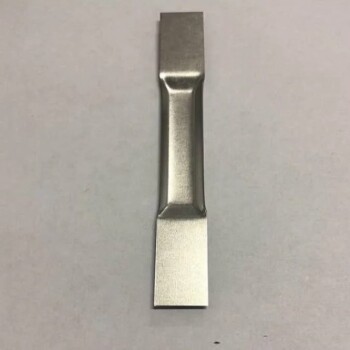
Molybdenum Tungsten Tantalum Evaporation Boat for High Temperature Applications
Evaporation boat sources are used in thermal evaporation systems and are suitable for depositing various metals, alloys and materials. Evaporation boat sources are available in different thicknesses of tungsten, tantalum and molybdenum to ensure compatibility with a variety of power sources. As a container, it is used for vacuum evaporation of materials. They can be used for thin film deposition of various materials, or designed to be compatible with techniques such as electron beam fabrication.
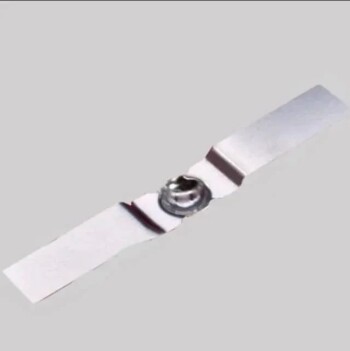
Hemispherical Bottom Tungsten Molybdenum Evaporation Boat
Used for gold plating, silver plating, platinum, palladium, suitable for a small amount of thin film materials. Reduce the waste of film materials and reduce heat dissipation.
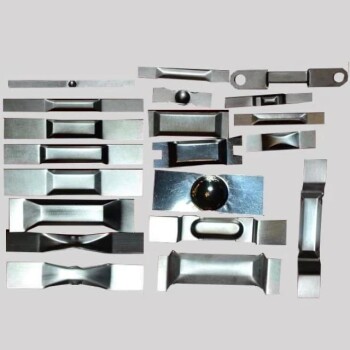
Molybdenum Tungsten Tantalum Special Shape Evaporation Boat
Tungsten Evaporation Boat is ideal for vacuum coating industry and sintering furnace or vacuum annealing. we offers tungsten evaporation boats that are designed to be durable and robust, with long operating lifetimes and to ensure consistent smooth and even spreading of the molten metals.
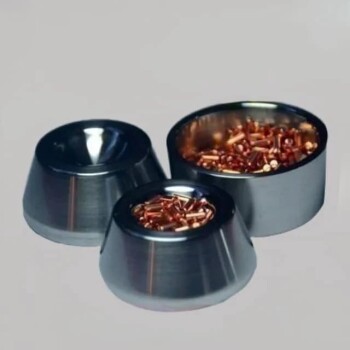
Electron Beam Evaporation Coating Gold Plating Tungsten Molybdenum Crucible for Evaporation
These crucibles act as containers for the gold material evaporated by the electron evaporation beam while precisely directing the electron beam for precise deposition.
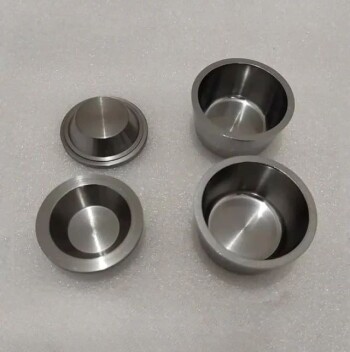
Electron Beam Evaporation Coating Tungsten Crucible and Molybdenum Crucible for High Temperature Applications
Tungsten and molybdenum crucibles are commonly used in electron beam evaporation processes due to their excellent thermal and mechanical properties.
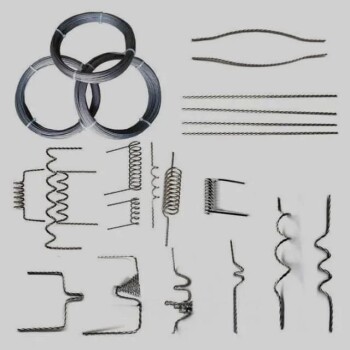
Thermally Evaporated Tungsten Wire for High Temperature Applications
It has a high melting point, thermal and electrical conductivity, and corrosion resistance. It is a valuable material for high temperature, vacuum and other industries.
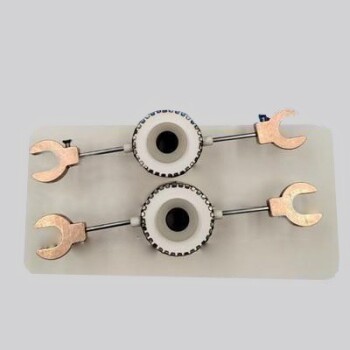
Aluminized Ceramic Evaporation Boat for Thin Film Deposition
Vessel for depositing thin films; has an aluminum-coated ceramic body for improved thermal efficiency and chemical resistance. making it suitable for various applications.
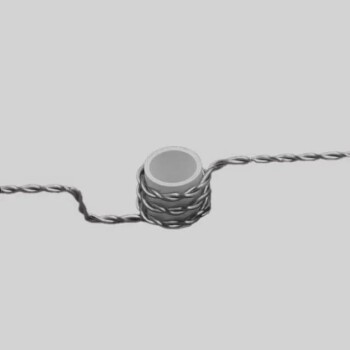
Ceramic Evaporation Boat Set Alumina Crucible for Laboratory Use
It can be used for vapor deposition of various metals and alloys. Most metals can be evaporated completely without loss. Evaporation baskets are reusable.1

Electron Beam Evaporation Coating Oxygen-Free Copper Crucible and Evaporation Boat
Electron Beam Evaporation Coating Oxygen-Free Copper Crucible enables precise co-deposition of various materials. Its controlled temperature and water-cooled design ensure pure and efficient thin film deposition.

Evaporation Boat for Organic Matter
The evaporation boat for organic matter is an important tool for precise and uniform heating during the deposition of organic materials.

High Purity Pure Graphite Crucible for Evaporation
Vessels for high temperature applications, where materials are kept at extremely high temperatures to evaporate, allowing thin films to be deposited on substrates.
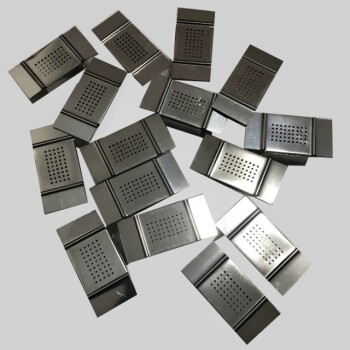
Folding Molybdenum Tantalum Boat With or Without Cover
Molybdenum boat is an important carrier for preparing molybdenum powder and other metal powders, with high density, melting point, strength and temperature resistance.

2200 ℃ Tungsten Vacuum Heat Treat and Sintering Furnace
Experience the ultimate refractory metal furnace with our Tungsten vacuum furnace. Capable of reaching 2200℃, perfect for sintering advanced ceramics and refractory metals. Order now for high-quality results.
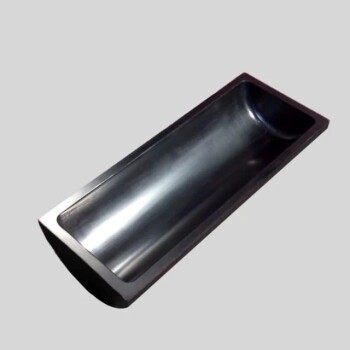
Carbon Graphite Boat -Laboratory Tube Furnace with Cover
Covered Carbon Graphite Boat Laboratory Tube Furnaces are specialized vessels or vessels made of graphite material designed to withstand extreme high temperatures and chemically aggressive environments.
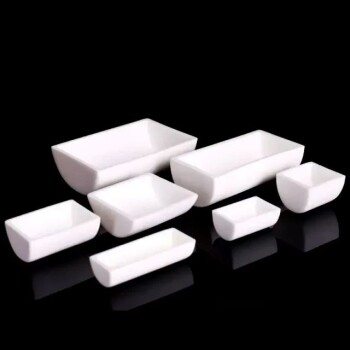
Alumina Al2O3 Ceramic Crucible Semicircle Boat with Lid for Engineering Advanced Fine Ceramics
Crucibles are containers widely used for melting and processing various materials, and semicircular boat-shaped crucibles are suitable for special smelting and processing requirements. Their types and uses vary by material and shape.

High Purity Pure Graphite Crucible for Electron Beam Evaporation
A technology mainly used in the field of power electronics. It is a graphite film made of carbon source material by material deposition using electron beam technology.
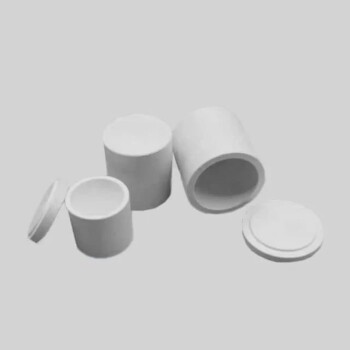
Evaporation Crucible for Organic Matter
An evaporation crucible for organic matter, referred to as an evaporation crucible, is a container for evaporating organic solvents in a laboratory environment.
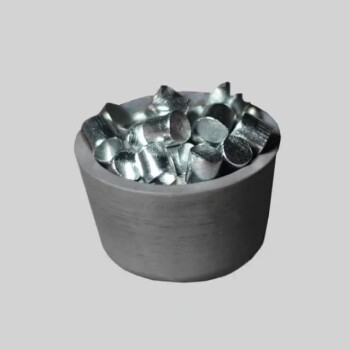
Electron Beam Evaporation Coating Conductive Boron Nitride Crucible BN Crucible
High-purity and smooth conductive boron nitride crucible for electron beam evaporation coating, with high temperature and thermal cycling performance.
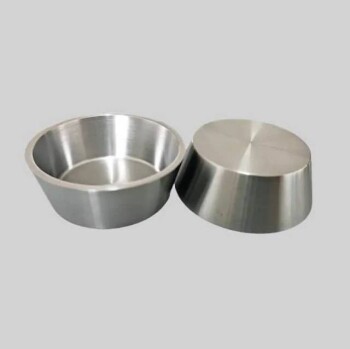
E Beam Crucibles Electron Gun Beam Crucible for Evaporation
In the context of electron gun beam evaporation, a crucible is a container or source holder used to contain and evaporate the material to be deposited onto a substrate.
Related Articles

Understanding Evaporation Boats in Vacuum Coating
An in-depth look at evaporation boats, their materials, arrangement, temperature control, and corrosion issues in vacuum coating processes.
Thin Film Deposition Processes in Semiconductor Manufacturing
An overview of thin film deposition techniques, focusing on Chemical Vapor Deposition (CVD) and Physical Vapor Deposition (PVD) processes in semiconductor manufacturing.
What Is Boiling Point Rise In Evaporators?
The evaporators produce concentrated solution having substantially higher boiling point than that of the solvent (of the solution) at the prevailing pressure.
Types of Evaporation Sources for Evaporative Coating
Explore different evaporation sources used in thin film deposition, including filaments, crucibles, and evaporation boats.
Challenges in TiN Film Deposition Using AC Power and Solutions
Discusses the difficulties of TiN film growth under AC power and proposes solutions like DC sputtering and pulsed DC.
Introduction to CVD Chemical Vapor Thin Film Deposition Transport Systems
Overview of CVD process, components, and systems for thin film deposition.
Chemical Vapor Deposition (CVD) Thin Film Deposition Technology
Overview of CVD technology, its principles, types, applications, process characteristics, and advantages.
Photovoltaic Passivation Layer Thin Film Deposition Process
Detailed analysis of the passivation layer thin film deposition methods in TOPCon cells, including PVD and CVD technologies.
Considerations for Evaporative Coating on Flexible Substrates
Key factors in successful evaporative coating on flexible materials, ensuring quality and performance.
Your Tungsten Furnace Is Failing. The Culprit Isn't What You Think.
Frustrated with contaminated samples from your tungsten furnace? Discover the hidden cause—and how mastering the atmosphere unlocks reliable results.
Vapor Deposition Silicon Carbon Anode for Next-Generation Batteries
Explores the potential of silicon-based anodes, focusing on vapor deposition technology and its impact on battery performance and cost.
Challenges in the Development and Application of Tantalum in Vacuum Deposition Equipment
This article discusses the role of tantalum in vacuum deposition equipment, focusing on its properties, manufacturing challenges, and its critical applications in industries like OLED screen production.