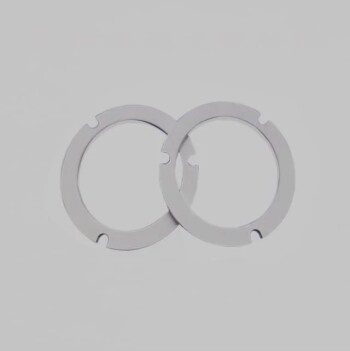
Ceramic insulators serve as the critical boundary between the electrical power source and the structural metal components of a Self-propagating High-temperature Synthesis (SHS) reactor. By electrically isolating the current-carrying parts, these insulators prevent power from leaking into the reactor casing, ensuring that all energy is focused specifically on the nichrome ignition coil to initiate the reaction safely.
By effectively isolating the power source from the metal frame, ceramic insulators serve a dual purpose: they eliminate electrical shock hazards and guarantee that 100% of the input energy drives the ignition process.
Maximizing Ignition Efficiency
To achieve a successful SHS reaction, precise energy delivery is non-negotiable. Ceramic insulators play a pivotal role in ensuring the electrical system functions as intended.
Preventing Current Leakage
The primary function of these insulators is to block the flow of electricity to the supporting metal structures. Without this barrier, current would dissipate into the frame rather than doing useful work.
Focusing Energy on the Coil
The SHS process relies on a nichrome ignition coil to generate the immense heat required for synthesis. Ceramic insulators ensure the electrical path is closed exclusively through this coil.
Ensuring Reliable Initiation
By preventing energy loss to the surrounding structure, the insulators guarantee that the coil receives the full voltage and current required. This results in rapid, reliable heating and consistent reaction initiation.
Enhancing Operational Safety
Beyond process efficiency, the safety of the laboratory environment and the operator depends heavily on the integrity of the electrical isolation.
Eliminating Shock Hazards
The reactor casing and supporting parts are typically made of conductive metal. Ceramic insulators prevent these external surfaces from becoming electrically "live," protecting operators from accidental shocks.
Protecting Structural Integrity
Uncontrolled electrical currents flowing through structural components can cause unpredictable heating or arcing. Isolation ensures the reactor structure remains electrically inert and thermally stable.
Understanding the Material Trade-offs
While ceramic insulators are essential for electrical isolation, their physical properties introduce specific challenges that must be managed.
Mechanical Brittleness
Unlike polymer or metal components, ceramics are inherently brittle. They can fracture easily if the apparatus is overtightened during assembly or subjected to mechanical impact.
Thermal Shock Sensitivity
SHS reactions generate extreme heat very quickly. If the ceramic material is not selected carefully, the rapid temperature change (thermal shock) can cause the insulator to crack, compromising the electrical isolation mid-experiment.
Ensuring Reliability in Your Setup
To maintain a safe and efficient SHS experiment, consider the following regarding your insulation components:
- If your primary focus is Personnel Safety: Inspect ceramic insulators for hairline cracks before every experiment to ensure the reactor casing remains electrically grounded and safe to touch.
- If your primary focus is Reaction Consistency: Verify that the insulators are perfectly aligned to prevent arcing, ensuring the nichrome coil receives the precise energy load needed for ignition.
Proper insulation is the silent guardian of the SHS process, transforming raw electrical power into controlled chemical synthesis without compromising safety.
Summary Table:
| Feature | Function in SHS Setup | Benefit to Research |
|---|---|---|
| Electrical Isolation | Prevents current leakage to the metal frame | Eliminates shock hazards and ensures operator safety |
| Energy Focusing | Directs 100% of input power to the nichrome coil | Guarantees rapid, reliable reaction initiation |
| Structural Inertia | Keeps the reactor casing electrically inert | Prevents unpredictable heating or arcing of components |
| High-Temp Stability | Withstands extreme synthesis temperatures | Maintains isolation integrity throughout the reaction |
Elevate Your Material Synthesis with KINTEK Precision
Don't let energy loss or safety risks compromise your research outcomes. KINTEK specializes in high-performance laboratory equipment, providing the robust ceramic components and high-temperature systems essential for successful Self-propagating High-temperature Synthesis (SHS).
From advanced high-temperature furnaces (muffle, vacuum, CVD) to specialized high-pressure reactors and precision crushing and milling systems, our comprehensive portfolio is designed to meet the rigorous demands of material science. Whether you require durable ceramics and crucibles or sophisticated battery research tools, KINTEK delivers the reliability you need for consistent, safe, and efficient results.
Ready to optimize your experimental setup? Contact our technical experts today to find the perfect solutions for your laboratory's specific requirements.
References
- Zinnur T. Zagretdinov, L. R. Kharisov. Getting Aluminum Bronze Castings with SHS-Cast. DOI: 10.29042/2019-5191-5196
This article is also based on technical information from Kintek Solution Knowledge Base .
Related Products
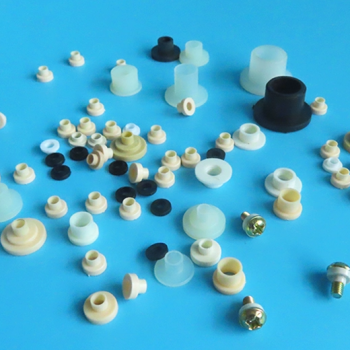
- Zirconia Ceramic Gasket Insulating Engineering Advanced Fine Ceramics
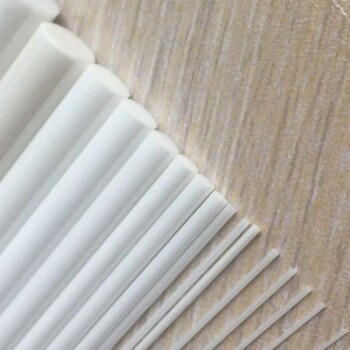
- Engineering Advanced Fine Alumina Al2O3 Ceramic Rod Insulated for Industrial Applications
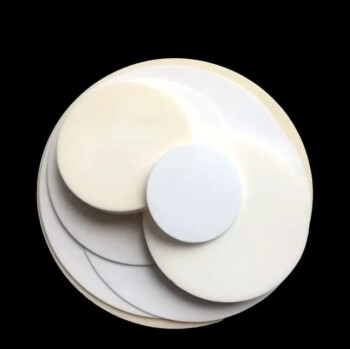
- Engineering Advanced Fine Ceramics Aluminium Oxide Al2O3 Ceramic Washer for Wear-Resistant Applications
- Engineering Advanced Fine Ceramics Aluminum Oxide Al2O3 Heat Sink for Insulation
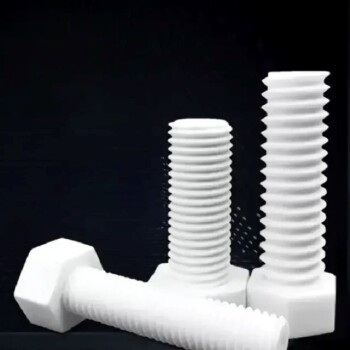
- High Quality Alumina Ceramic Screw for Engineering Advanced Fine Ceramics with High Temperature Resistance and Insulation
People Also Ask
- What are the applications of zirconia ceramics? Unlock High-Performance Solutions for Extreme Environments
- What ceramics are used for insulation? Choose the Right Material for Thermal or Electrical Needs
- What is the main disadvantage of zirconia? Balancing Strength, Aesthetics, and Tooth Wear
- What is the strongest type of zirconia? A Guide to Choosing the Right Dental Zirconia
- What are the failures of zirconia? Avoid Fracture and Debonding with Proper Protocol