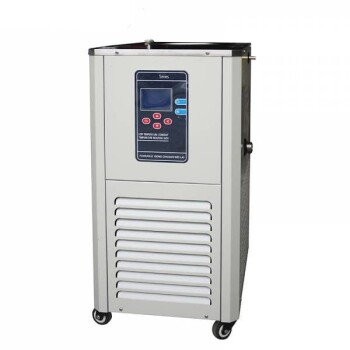
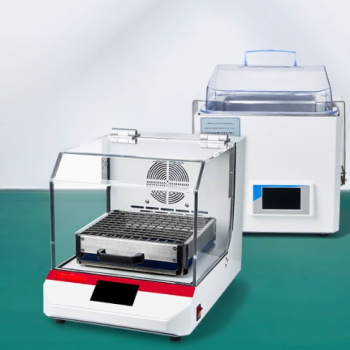
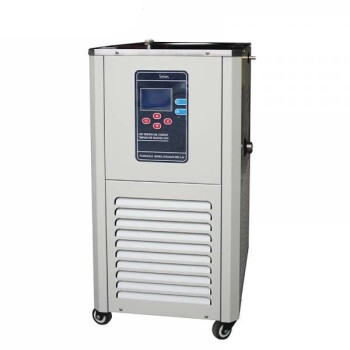
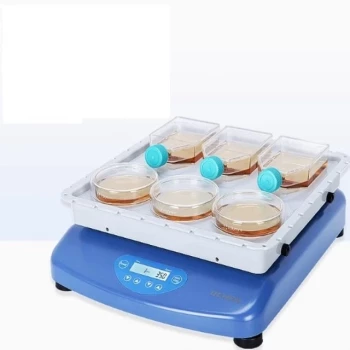
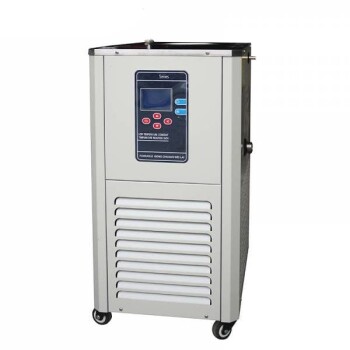
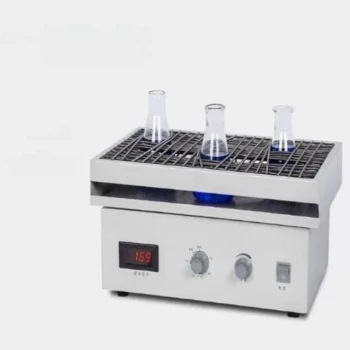
High-precision constant temperature shakers and bioreactors facilitate enzymatic hydrolysis by maintaining a strictly controlled microenvironment that optimizes catalytic efficiency. These devices ensure a stable thermal profile (typically 36–40°C) and pH consistency while utilizing continuous mechanical oscillation to force thorough contact between enzymes and substrates. By promoting product desorption and preventing the localized accumulation of solutes, this equipment sustains high glucose conversion rates that would otherwise stall in static environments.
Enzymatic hydrolysis is a diffusion-limited process that is highly sensitive to environmental fluctuations. Success requires a device that can simultaneously prevent thermal denaturation of the enzyme and overcome mass transfer limitations through dynamic mixing.
The Role of Environmental Stability
Precise Temperature Regulation
Enzymes are biological catalysts that operate within narrow optimal windows. High-precision shakers maintain temperatures typically between 36°C and 40°C, the specific range where hydrolytic activity is maximized for many glucose-producing enzymes.
Even minor deviations in temperature can drastically affect reaction rates. These devices prevent the thermal fluctuations that lead to reduced kinetics or, in cases of overheating, the permanent denaturation (destruction) of the enzyme.
Consistent pH Control
Alongside temperature, the acidity or alkalinity of the solution drives enzyme performance. Bioreactors and high-end shakers help maintain pH consistency throughout the duration of the hydrolysis.
This stability prevents the enzyme's active site from deforming due to pH shifts, ensuring the catalyst remains functional for the entire reaction cycle.
The Impact of Mechanical Agitation
Maximizing Surface Contact
For hydrolysis to occur, the enzyme must physically encounter the substrate. Through continuous mechanical oscillation or stirring, these devices create a dynamic mixing environment.
This motion ensures thorough distribution, maximizing the frequency of contact between enzyme molecules and solid substrates (such as cellulose).
Promoting Product Desorption
A common barrier in hydrolysis is product inhibition, where the glucose produced "sticks" near the enzyme or substrate, blocking further reaction. Dynamic mixing promotes product desorption, effectively washing the newly formed glucose away from the active site.
This continuous renewal of the fluid around the substrate allows the enzyme to attack fresh material without obstruction.
Preventing Localized Saturation
Without adequate mixing, high concentrations of solutes can build up in specific pockets of the vessel. These localized high solute concentrations can inhibit enzyme activity and slow down the overall reaction rate.
Orbital or stirring motion homogenizes the solution, ensuring uniformity of nutrients and preventing the formation of these inhibitory "hotspots."
Understanding the Trade-offs
Mechanical Shear vs. Homogeneity
While mixing is essential, there is a delicate balance to strike. The mechanical shear introduced by orbital motion or impellers improves contact but can potentially damage shear-sensitive enzymes or substrates if set too high.
You must optimize the agitation speed to ensure it is sufficient to suspend solids and distribute heat, but gentle enough to maintain the structural integrity of your biological components.
Complexity and Cost
High-precision bioreactors offer superior control compared to simple water baths, but they introduce higher operational complexity. Utilizing these devices requires careful calibration of agitation speeds and temperature setpoints to match the specific rheology of your substrate slurry.
Optimizing Your Hydrolysis Process
To achieve the best results with your equipment, tailor your settings to your specific process limitation:
- If your primary focus is maximizing reaction speed: Increase the agitation rate to the upper limit of your enzyme's shear tolerance to eliminate mass transfer resistance.
- If your primary focus is enzyme longevity: Prioritize temperature stability and ensure your device is calibrated to the exact lower-bound of the optimal thermal range to prevent denaturation over long cycles.
By synchronizing precise environmental control with effective mechanical mixing, you transform the hydrolysis tank from a passive vessel into a high-efficiency reactor.
Summary Table:
| Feature | Function in Enzymatic Hydrolysis | Impact on Glucose Production |
|---|---|---|
| Temperature Control | Maintains 36–40°C range | Prevents enzyme denaturation & maximizes kinetics |
| Mechanical Agitation | Continuous orbital/stirring motion | Enhances enzyme-substrate contact & mass transfer |
| Product Desorption | Moves glucose away from active sites | Prevents product inhibition for continuous reaction |
| pH Stability | Maintains optimal acidity/alkalinity | Ensures enzyme active site remains functional |
| Homogenization | Prevents localized solute accumulation | Eliminates inhibitory hotspots in the slurry |
Elevate your bioprocessing efficiency with KINTEK’s premium laboratory solutions. Whether you are performing delicate enzymatic hydrolysis or large-scale cell culture, our high-precision shakers, bioreactors, and homogenizers provide the environmental stability and dynamic mixing required for maximum yield. From specialized high-temperature reactors to essential consumables like PTFE and ceramics, KINTEK equips researchers and industrial labs with the tools to overcome mass transfer limitations and prevent thermal denaturation. Contact us today to find the perfect equipment for your research goals!
References
- Thlama Mainta Mperiju, Rezkallah Chafika. Renewable Carbohydrates: Advancements in Sustainable Glucose Production and Optimization. DOI: 10.56556/gssr.v2i4.621
This article is also based on technical information from Kintek Solution Knowledge Base .
Related Products
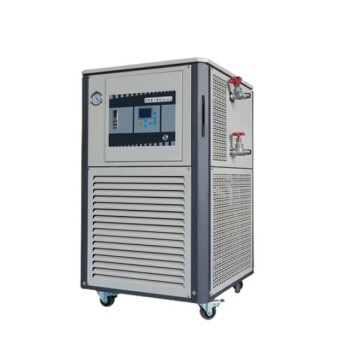
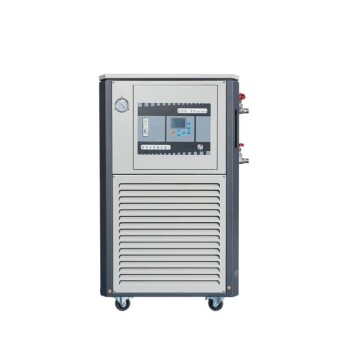
- High Temperature Constant Temperature Heating Circulator Water Bath Chiller Circulator for Reaction Bath
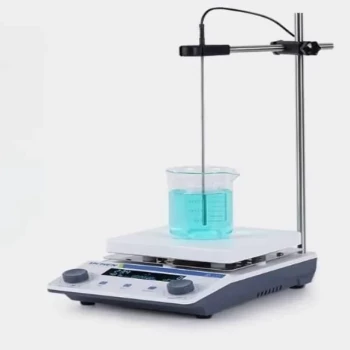
- Laboratory Small Constant Temperature Heated Magnetic Stirrer Heater and Stirrer
- 5L Heating Chilling Circulator Cooling Water Bath Circulator for High and Low Temperature Constant Temperature Reaction
- 100L Heating Chilling Circulator Cooling Water Bath Circulator for High and Low Temperature Constant Temperature Reaction
- 10L Heating Chilling Circulator Cooling Water Bath Circulator for High and Low Temperature Constant Temperature Reaction
People Also Ask
- What is the necessity of a circulating water bath in chlorate production? Optimize Yield & Purity with Precision
- How do constant temperature circulators impact weight-loss immersion tests? Ensure Precision in Corrosion Analysis
- How does a constant temperature circulator support the leaching reaction of gold scrap? Optimize Gold Recovery Results
- Why is a constant temperature water bath used for precursor storage in CVD? Achieve Stable Nanocrystalline SiC Deposition
- Why is a high-precision constant temperature water bath necessary for anaerobic digestion? Ensure Success at 37±0.02°C