A jaw crusher acts as the critical primary reduction stage in the processing of slate waste. By applying high-pressure compression between two mechanical jaw plates, it fractures large slate chunks into uniform particles approximately 2 mm in size.
While its primary function is size reduction, the jaw crusher’s true value lies in preparing the material for downstream efficiency. By drastically increasing the specific surface area of the slate, it creates the essential feed conditions required for secondary fine grinding.
The Mechanics of Material Reduction
Applying Compression Force
The core mechanism of a jaw crusher relies on simple, robust physics. It utilizes two jaw plates to exert significant compression force on the raw material.
This force overcomes the structural integrity of the large slate pieces. The material is mechanically squeezed until it fractures, breaking down the waste without the need for complex chemical processes.
Achieving Consistent Particle Size
The primary objective at this stage is to move from bulk waste to a manageable aggregate. The jaw crusher is calibrated to reduce the slate down to a specific size threshold.
According to standard processing parameters, this equipment targets an output particle size of approximately 2 mm. This consistency is vital for maintaining a steady flow through the processing plant.
The Role in Process Efficiency
Increasing Specific Surface Area
Reducing the size of the slate has a direct impact on its physical properties. As the particle size drops to 2 mm, the specific surface area of the material increases significantly.
Higher surface area creates more exposure for subsequent processing steps. This physical change is often the prerequisite for effective chemical reaction or further mechanical refinement.
Enabling Secondary Grinding
A jaw crusher is rarely the final step in a slate processing workflow. Instead, it functions as a preparation stage.
By delivering a 2 mm feed, it creates the necessary conditions for secondary fine grinding equipment. Without this primary reduction, sensitive fine-grinding machinery would be unable to process the bulky raw waste effectively.
Operational Considerations
The Necessity of Multi-Stage Processing
It is important to recognize that a jaw crusher is a primary tool, not a finishing tool.
Because it reduces material only to approximately 2 mm, it cannot produce ultra-fine powders on its own. It must be viewed as the first step in a sequence, requiring downstream equipment to achieve finer grades of material.
Optimizing Your Slate Processing Line
To ensure your processing line is efficient, you must match the equipment capabilities to your specific output targets.
- If your primary focus is Initial Volume Reduction: Rely on the jaw crusher to rapidly break down bulky waste into manageable 2 mm aggregates using compression force.
- If your primary focus is Fine Powder Production: Use the jaw crusher strictly as a preparatory stage to increase surface area before feeding the material into secondary grinding equipment.
The jaw crusher serves as the essential gatekeeper of the processing line, transforming raw, irregular waste into a standardized feedstock ready for advanced refinement.
Summary Table:
| Feature | Jaw Crusher Specification/Impact |
|---|---|
| Primary Mechanism | High-pressure compression force between jaw plates |
| Output Particle Size | Approximately 2 mm |
| Primary Objective | Initial volume reduction & feedstock preparation |
| Surface Area Impact | Significant increase in specific surface area |
| Downstream Role | Enables secondary fine grinding and refinement |
Streamline Your Material Processing with KINTEK
Unlock the full potential of your laboratory or production line with KINTEK’s precision engineering. Whether you are managing slate waste or advanced material research, our comprehensive range of crushing and milling systems, sieving equipment, and hydraulic presses (pellet, hot, isostatic) ensures you achieve the exact particle size your workflow demands.
From primary reduction to ultra-fine powder production, KINTEK provides the high-performance tools—including muffle and vacuum furnaces, high-temperature high-pressure reactors, and specialized ceramics—necessary for superior results.
Ready to optimize your efficiency? Contact our technical experts today to find the perfect equipment solution tailored to your specific processing needs.
References
- Zhen Li, Xiao-Wei Duan. Manufacturing of Ultra-light Ceramsite from Slate Wastes in Shangri-la, China. DOI: 10.4191/kcers.2018.55.1.02
This article is also based on technical information from Kintek Solution Knowledge Base .
Related Products
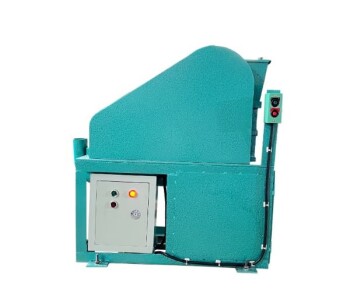
- Sealed Jaw Crusher High Efficiency Environmental Protection Safe and Reliable
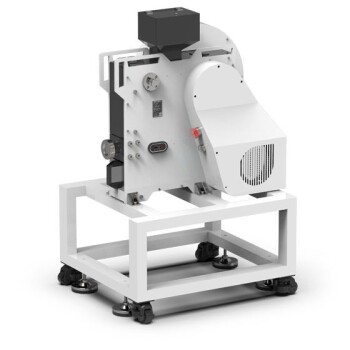
- Laboratory Jaw Crusher
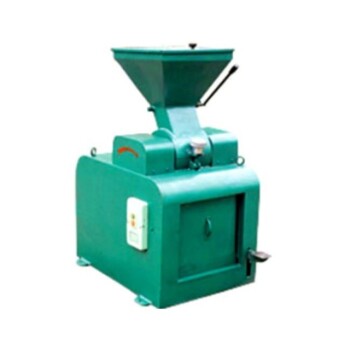
- Laboratory Sealed Hammer Crusher for Efficient Sample Preparation
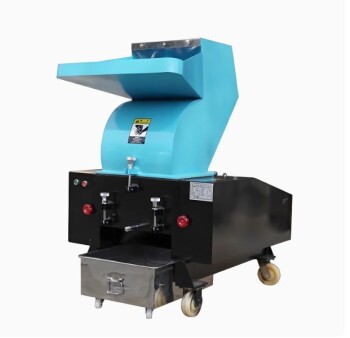
- Powerful Plastic Crusher Machine
People Also Ask
- What is the primary function of a jaw crusher in ore pre-treatment? Optimize Your Magnesite & Limonite Processing
- What is the use of jaw crusher in laboratory? The Essential First Step for Sample Reduction
- What is a laboratory crusher? The First Step to Accurate Sample Analysis
- What is a jaw crusher for labs? The Essential First Step for Accurate Sample Analysis
- What role do laboratory crushers and standard sieves play in Datura stramonium pretreatment? Optimize Your HTL Yield