The specific composition of the electrode material is the decisive factor that dictates the thermodynamic boundaries and overall efficiency of electrochemical wastewater treatment. By controlling the "overpotential," the material determines whether the system prioritizes the destruction of pollutants and the recovery of hydrogen energy or simply wastes current on ineffective side reactions.
The choice of anode material fundamental alters the chemical pathway: materials with high oxygen evolution potential maximize the removal of recalcitrant Chemical Oxygen Demand (COD) while simultaneously enabling energy recovery through efficient water electrolysis.
The Physics of Efficiency: Overpotential and Oxidation
Defining Oxidation Efficiency
The primary role of the electrode material is to establish the overpotential of the reaction.
This electrochemical property determines how much energy is required to drive specific chemical changes at the electrode surface.
The Importance of High Oxygen Evolution Potential
To treat wastewater effectively, you generally need an anode with a high oxygen evolution potential.
If the potential is low, the system will consume energy generating oxygen gas (O2) rather than breaking down pollutants.
High-potential materials suppress this oxygen generation, ensuring that electrical energy is directed toward oxidizing contaminants.
Key Materials
The reference identifies boron-doped diamond (BDD) and coated titanium electrodes as the standard for high-performance applications.
These materials are specifically engineered to maintain the high potentials necessary for destroying complex organic compounds.
Mechanisms of Action: Direct vs. Indirect
Direct Oxidation
High-potential electrodes allow for direct oxidation right at the anode surface.
In this mechanism, pollutants are adsorbed onto the electrode and destroyed by electron transfer.
This is particularly effective for removing color and breaking down "recalcitrant" (hard-to-treat) COD that biological systems cannot handle.
Indirect Oxidation
These materials also facilitate indirect oxidation by generating powerful chemical species in the bulk solution.
The electrodes can convert salts naturally present in the water into active chlorine or persulfates.
These electro-generated species act as strong oxidants, attacking pollutants throughout the water volume, not just at the electrode surface.
Implications for Bioenergy Recovery
Coupling Treatment with Electrolysis
The selection of efficient electrode materials does not just clean the water; it turns the treatment unit into a potential energy source.
The reference notes that these systems can provide "additional energy output" through water electrolysis.
Electro-Hydrogen Production
While the anode oxidizes pollutants, the cathode facilitates the reduction of water.
This process enables electro-hydrogen production, recovering energy in the form of hydrogen gas.
This creates a dual-benefit system: the water is detoxified for reuse or discharge, while the recovered hydrogen can fuel bioenergy systems or fuel cells.
Understanding the Trade-offs
Process Complexity vs. Efficiency
While materials like boron-doped diamond offer superior oxidation capabilities, they introduce new variables to the process control.
Relying on indirect oxidation via active chlorine is highly efficient for disinfection and color removal, but it is chemically dependent on the composition of the wastewater (specifically chloride content).
Managing Oxidant Generation
High-potential anodes are indiscriminate; they are powerful enough to generate various oxidant species.
Operators must ensure that the generation of species like persulfates aligns with the downstream biological processes or discharge limits, as these are potent chemicals.
Making the Right Choice for Your Goal
To select the correct electrode material, you must define the primary objective of your electrochemical cell.
- If your primary focus is Recalcitrant COD Removal: Prioritize materials like boron-doped diamond to maximize direct oxidation and break down complex pollutants that resist standard treatment.
- If your primary focus is Energy Recovery: Ensure your electrode configuration is optimized for water electrolysis, balancing pollutant breakdown at the anode with efficient hydrogen evolution at the cathode.
- If your primary focus is Disinfection and Color Removal: Select coated titanium or similar materials that excel at generating active chlorine species for rapid indirect oxidation.
The right material transforms a passive treatment vessel into an active generator of clean water and usable energy.
Summary Table:
| Electrode Material | Oxygen Evolution Potential | Primary Mechanism | Best Use Case |
|---|---|---|---|
| Boron-Doped Diamond (BDD) | Very High | Direct Oxidation | Recalcitrant COD & complex organics removal |
| Coated Titanium (DSA) | High | Indirect Oxidation | Disinfection, color removal, and active chlorine generation |
| Standard Metals | Low | Oxygen Evolution | General electrolysis with lower oxidation efficiency |
| Graphite/Carbon | Moderate | Surface Adsorption | Low-cost pre-treatment and basic pollutant removal |
Maximize Your Electrochemical Efficiency with KINTEK
Are you looking to optimize your wastewater treatment or bioenergy recovery systems? KINTEK specializes in providing high-performance laboratory equipment and electrochemical solutions tailored to your research and industrial needs.
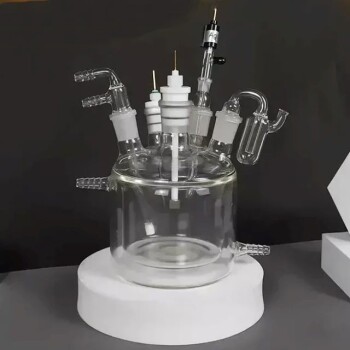
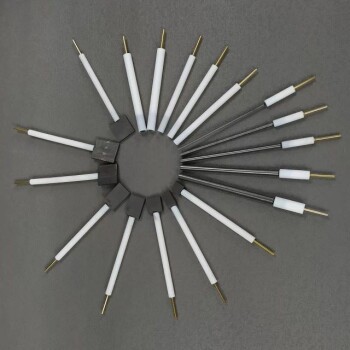
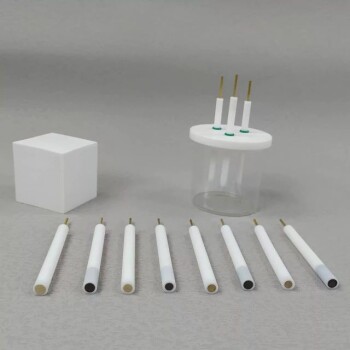
Our extensive portfolio includes precision-engineered electrolytic cells and electrodes, as well as high-temperature systems and specialized consumables like ceramics and crucibles. Whether you are focusing on electro-hydrogen production or the destruction of recalcitrant COD, our experts help you select the right materials to ensure superior thermodynamic efficiency.
Take your electrochemical research to the next level. Contact us today to explore how KINTEK's specialized tools can enhance your laboratory's output and sustainability goals.
References
- Ana Gomes, Marco S. Lucas. Bioenergy Production from Agro-Industrial Wastewater Using Advanced Oxidation Processes as Pre-Treatment. DOI: 10.3390/catal13081186
This article is also based on technical information from Kintek Solution Knowledge Base .
Related Products
- Laboratory CVD Boron Doped Diamond Materials
- Double-Layer Water Bath Electrolytic Electrochemical Cell
- Double Layer Five-Port Water Bath Electrolytic Electrochemical Cell
- Graphite Disc Rod and Sheet Electrode Electrochemical Graphite Electrode
- Metal Disc Electrode Electrochemical Electrode
People Also Ask
- What is the purpose of adding a boron source in CVD diamond growth? Master P-Type Semiconductor Conductivity
- What materials are CVD deposition? From Semiconductors to Super-Hard Coatings
- What are the advantages of BDD electrodes? Maximize Wastewater Treatment Efficiency and Durability
- What are the applications of CVD diamonds? From Jewelry to High-Tech Tools
- Are CVD diamonds good? Real Diamonds with Ethical Origins & Better Value