Zirconia fiber wool serves as a critical dual-function barrier within high-temperature Chemical Vapor Deposition (CVD) systems, positioned specifically between the internal graphite reaction chamber and the external stainless steel shell. Its primary utility lies in utilizing low thermal conductivity to drastically reduce heat transfer while simultaneously providing electrical insulation to prevent dangerous arcing in high-voltage induction fields. This ensures the equipment outer shell remains safe to touch and the internal process remains electrically stable.
The core value of zirconia fiber wool in CVD systems is its ability to act as a simultaneous shield against extreme heat radiation and high-voltage electrical currents, protecting both the physical machinery and the human operators.
The Mechanism of Thermal Protection
Intercepting Heat Transfer
CVD processes generate intense heat inside the graphite reaction chamber. Zirconia fiber wool acts as a low-thermal-conductivity medium that intercepts this energy.
It effectively limits both high-temperature radiation and conductive heat flow. This prevents the thermal energy from migrating outward to the rest of the system.
Preserving the Outer Shell
The insulation is placed directly against the stainless steel outer shell.
By absorbing and blocking heat transfer, the wool significantly reduces the surface temperature of the equipment. This protects the structural integrity of the steel and minimizes burn hazards for personnel.
Electrical Safety in High-Voltage Environments
Preventing Arc Discharge
CVD systems often utilize high-voltage induction fields to generate heat. Without proper insulation, electricity can arc between components.
Zirconia fiber wool provides excellent electrical insulation. It suppresses arc discharges within the chamber, preventing catastrophic damage to internal components.
Eliminating Current Leakage
In addition to stopping arcs, the material prevents general current leakage.
It acts as a dielectric barrier, ensuring that electrical energy remains focused on the heating elements. This prevents the current from shorting out to the conductive stainless steel shell.
Critical Considerations for Implementation
The Risk of Insulation Gaps
The safety of the system relies entirely on the integrity of the barrier.
Because the wool serves to prevent arcing, any gap in the installation can lead to immediate electrical faults. Uniform coverage is essential to maintain the safety rating of the induction field.
Balancing Thermal and Electrical Needs
Engineers must rely on materials that handle both stressors simultaneously.
Using an insulator that only handles heat but fails electrically would lead to system failure. Zirconia fiber wool is selected specifically because it addresses both the thermal and electrical requirements without compromise.
Making the Right Choice for Your Goal
To maximize the effectiveness of zirconia fiber wool in your CVD application, consider your specific safety and operational priorities:
- If your primary focus is Thermal Management: Ensure the wool density is sufficient to drop the temperature gradient significantly between the graphite chamber and the steel shell.
- If your primary focus is Electrical Safety: Verify that the insulation layer completely isolates the high-voltage induction field to prevent arc discharge or leakage.
Zirconia fiber wool is the definitive material choice for stabilizing extreme CVD environments through superior thermal and electrical isolation.
Summary Table:
| Feature | Function in CVD Systems | Safety Benefit |
|---|---|---|
| Thermal Conductivity | Low; intercepts heat radiation & conduction | Prevents outer shell overheating and burn hazards |
| Dielectric Strength | High electrical insulation | Suppresses arc discharges and prevents current leakage |
| Material Stability | Resists extreme high temperatures | Protects structural integrity of the stainless steel shell |
| Installation Integrity | Gap-free uniform coverage | Eliminates electrical faults in high-voltage induction fields |
Elevate Your Lab's Safety and Precision with KINTEK
Don't compromise on safety or performance in your high-temperature processes. KINTEK specializes in advanced laboratory solutions, providing high-performance CVD and PECVD systems, muffle furnaces, and the essential consumables like zirconia fiber wool and high-purity ceramics needed to protect your equipment and personnel.
Whether you are scaling battery research, optimizing crushing and milling systems, or requiring custom high-temperature high-pressure reactors, our technical experts are ready to provide the precision-engineered tools your research demands.
Upgrade your laboratory infrastructure—contact KINTEK today for a consultation!
References
- Saphina Biira. Design and fabrication of a chemical vapour deposition system with special reference to ZrC layer growth characteristics. DOI: 10.17159/2411-9717/2017/v117n10a2
This article is also based on technical information from Kintek Solution Knowledge Base .
Related Products
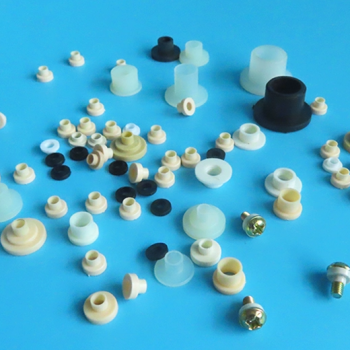
- Zirconia Ceramic Gasket Insulating Engineering Advanced Fine Ceramics
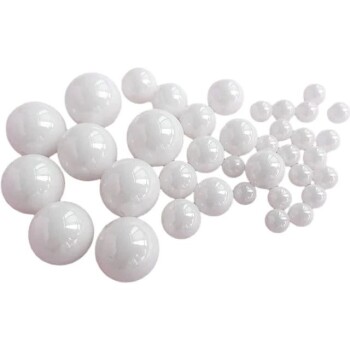
- Precision Machined Zirconia Ceramic Ball for Engineering Advanced Fine Ceramics
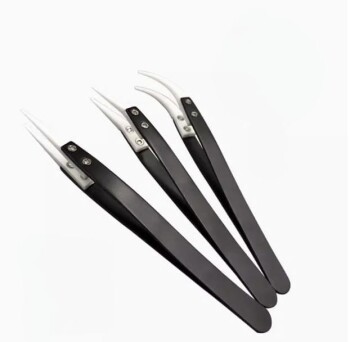
- Engineering Advanced Fine Ceramics Head Tweezers with Pointed Elbow Zirconia Ceramic Tip
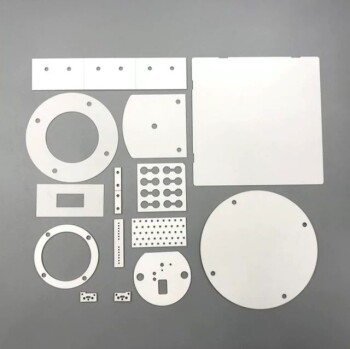
- Custom-Made Alumina Zirconia Special-Shaped Ceramic Plates for Engineering Advanced Fine Ceramics Processing
People Also Ask
- What are the applications of zirconia ceramics? Unlock High-Performance Solutions for Extreme Environments
- What ceramics are used for insulation? Choose the Right Material for Thermal or Electrical Needs
- What is the main disadvantage of zirconia? Balancing Strength, Aesthetics, and Tooth Wear
- What is the strongest type of zirconia? A Guide to Choosing the Right Dental Zirconia
- What are the failures of zirconia? Avoid Fracture and Debonding with Proper Protocol