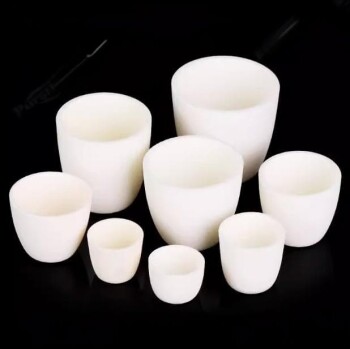
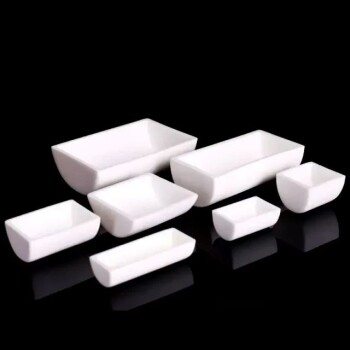
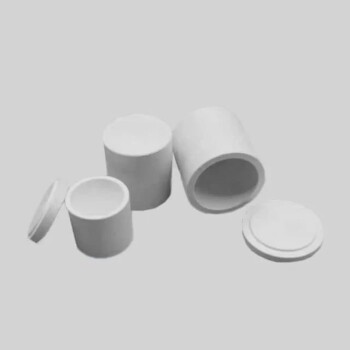
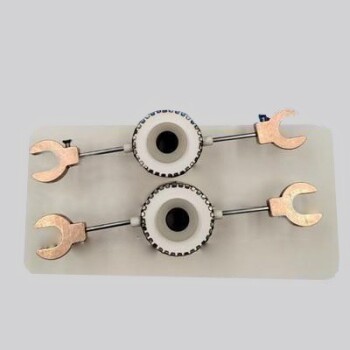
To ensure sample integrity during 1273 K isothermal annealing, alloy samples are encapsulated in a dual-layer system comprising an alumina crucible within a sealed quartz tube. The inner alumina crucible acts as a chemically inert barrier to prevent the alloy from reacting with the silica-based quartz, while the outer quartz tube creates a sealed environment to prevent oxidation.
This containment strategy addresses two distinct threats: the alumina liner solves the problem of chemical reactivity between the container and the sample, while the quartz tube addresses the issue of environmental oxidation during long-term heat exposure.
The Role of the Alumina Liner
Ensuring Chemical Stability
At elevated temperatures like 1273 K, many alloys become highly reactive. Alumina crucibles are selected because they exhibit excellent chemical stability at these temperatures.
Preventing Contact Reactions
The primary function of the alumina is to serve as a physical liner. This prevents contact reactions that would inevitably occur if the molten or hot alloy touched the outer quartz glass directly.
Maintaining Sample Purity
By isolating the alloy from the quartz, the alumina crucible ensures the chemical composition of the sample remains unaltered. This is critical for obtaining accurate data from the annealing process.
The Function of the Quartz Enclosure
Creating a Hermetic Seal
The outer quartz tube provides the necessary containment for the system. It creates a sealed environment that isolates the inner assembly from the laboratory atmosphere.
Controlling the Atmosphere
Because the tube is sealed, it can be manipulated to suit the specific needs of the alloy. The tube can be evacuated to a vacuum or filled with an inert gas, further neutralizing reactive elements.
Long-Term Oxidation Protection
Isothermal annealing often requires extended durations, such as 200 hours. The sealed quartz tube provides a robust barrier against oxygen for these long periods, preventing the sample from degrading due to oxidation.
Common Pitfalls and Risks
The Consequence of Direct Quartz Contact
A common mistake in high-temperature annealing is underestimating the reactivity of quartz. Without the alumina lining, the alloy will likely react with the quartz glass, ruining both the container and the sample.
Seal Integrity Over Time
While the quartz provides a seal, the duration of treatment poses a risk. If the seal is imperfect, the protection offered against oxidation will fail over a 200-hour cycle, compromising the experiment.
Ensuring Success in Heat Treatments
When designing your experimental setup for high-temperature annealing, select your containment based on the specific threats to your material.
- If your primary focus is chemical purity: Prioritize the use of high-grade alumina crucibles to strictly isolate the alloy from any silica-based materials.
- If your primary focus is preventing surface degradation: Verify the integrity of the quartz tube seal and ensure a high-quality vacuum or inert atmosphere is established before heating.
By decoupling the chemical barrier from the atmospheric seal, you ensure the alloy remains pure and unoxidized throughout the thermal cycle.
Summary Table:
| Component | Material | Primary Function | Temperature Limit |
|---|---|---|---|
| Inner Container | Alumina Crucible | Chemical barrier; prevents contact reactions with silica | ~2000 K |
| Outer Container | Quartz Tube | Hermetic seal; vacuum/inert atmosphere containment | ~1473 K |
| Atmosphere | Vacuum/Inert Gas | Prevents oxidation during long-duration heating | N/A |
| Combined System | Dual-Layer | Ensures sample purity and structural integrity at 1273 K | 1273 K+ |
Precision Controlled Thermal Processing with KINTEK
Ensure the success of your high-temperature experiments with KINTEK’s premium laboratory solutions. Whether you are conducting isothermal annealing at 1273 K or complex CVD/PECVD processes, we provide the high-performance materials needed to maintain sample purity and prevent oxidation.
From high-grade alumina crucibles and ceramics to advanced vacuum furnaces and quartz tube systems, KINTEK specializes in equipment for the most demanding research environments. Our portfolio supports battery research, metallurgical analysis, and material science with robust solutions including:
- High-Temperature Muffle, Tube, and Vacuum Furnaces
- Precision Alumina, PTFE, and Ceramic Consumables
- High-Pressure Reactors, Autoclaves, and Hydraulic Presses
- Comprehensive Cooling Solutions (ULT Freezers & Freeze Dryers)
Don't let chemical reactivity or oxidation compromise your results. Contact KINTEK today to discuss your laboratory requirements and find the perfect configuration for your specific application.
References
- P. Rogl, Henri Noël. The Ternary System: Uranium – Zirconium – Silicon. DOI: 10.2139/ssrn.4110713
This article is also based on technical information from Kintek Solution Knowledge Base .
Related Products
- Arc-Shaped Alumina Ceramic Crucible High Temperature Resistant for Engineering Advanced Fine Ceramics
- Alumina Al2O3 Ceramic Crucible Semicircle Boat with Lid for Engineering Advanced Fine Ceramics
- Engineering Advanced Fine Ceramics Alumina Al2O3 Crucible With Lid Cylindrical Laboratory Crucible
- Engineering Advanced Fine Ceramics Alumina Crucibles (Al2O3) for Thermal Analysis TGA DTA
- Engineering Advanced Fine Alumina Al2O3 Ceramic Crucible for Laboratory Muffle Furnace
People Also Ask
- Why Use Alumina Crucibles & Powder Burial for NaSICON? Ensure Phase Purity and Prevent Elemental Volatilization
- What is the primary purpose of using alumina crucibles for LLTO ceramics? Optimize Your High-Temperature Sintering
- Why are alumina crucibles and mother powder essential for LATP sintering? Optimize Your Solid Electrolyte Performance
- Why are high-purity alumina crucibles used for liquid lead corrosion experiments? Ensure Data Accuracy at 550°C
- Primary considerations for choosing alumina crucibles and quartz tubes in indium intercalation: Ensure Material Purity