Knowledge What are laboratory mixers used for? Achieve Perfect Sample Homogeneity and Reliable Results
Author avatar

Tech Team · Kintek Solution

Updated 6 days ago

What are laboratory mixers used for? Achieve Perfect Sample Homogeneity and Reliable Results


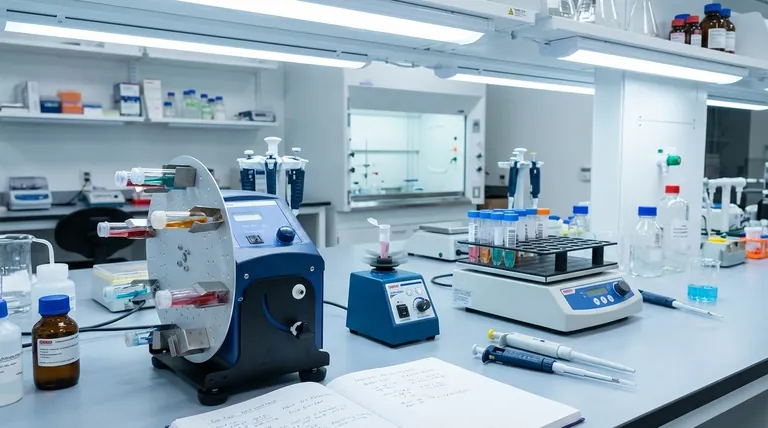
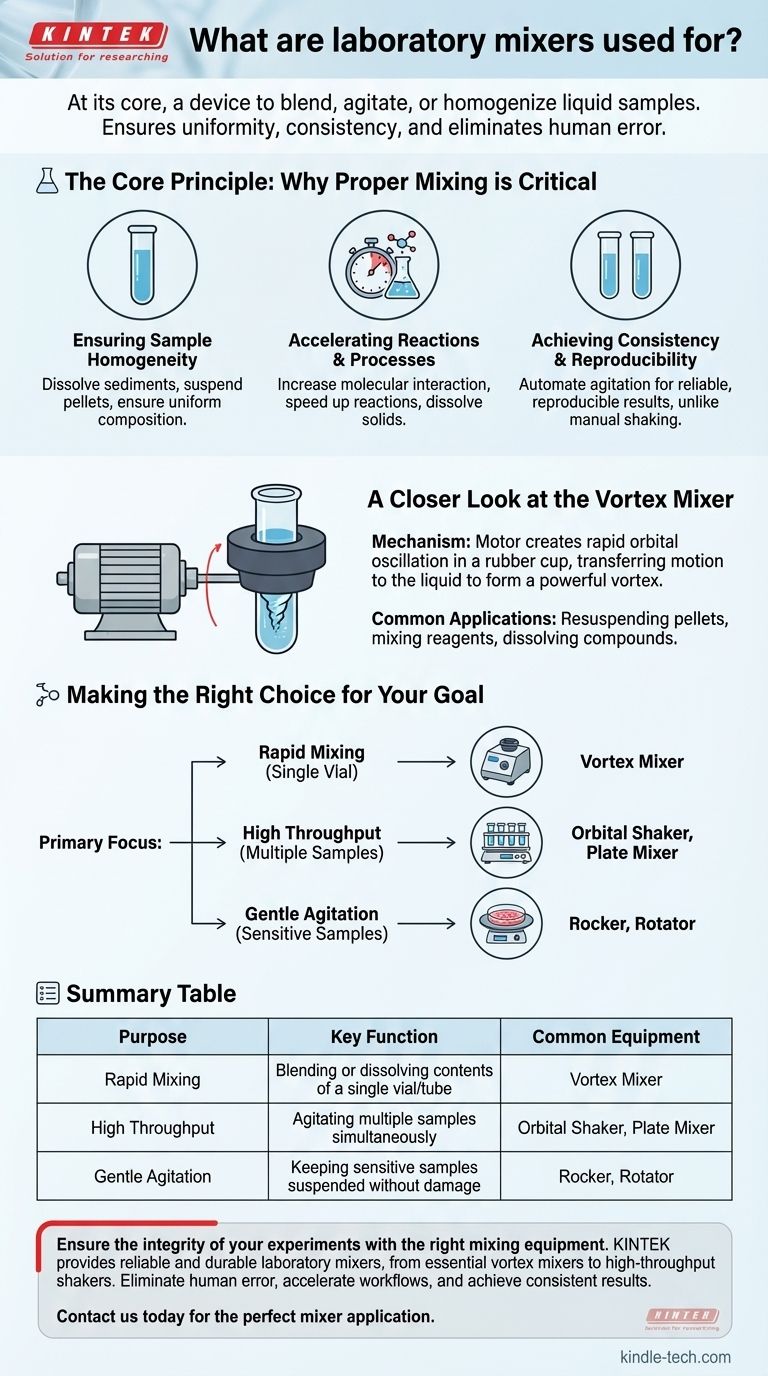
At its core, a laboratory mixer is a device used to blend, agitate, or homogenize liquid samples. The most common type, a vortex mixer, uses a motor to rapidly oscillate a small rubber cup. When a test tube or vial is pressed into this cup, the motion creates a vortex within the liquid, ensuring its contents are thoroughly mixed in seconds.

The fundamental purpose of a laboratory mixer is to guarantee sample uniformity and consistency. This eliminates a major source of human error, ensuring that experimental results are reliable and reproducible.
What are laboratory mixers used for? Achieve Perfect Sample Homogeneity and Reliable Results

The Core Principle: Why Proper Mixing is Critical

In any scientific setting, the integrity of your sample is paramount. Inconsistent or incomplete mixing can invalidate an entire experiment. Mixers solve this by automating a critical and otherwise variable step.

Ensuring Sample Homogeneity

Many laboratory samples are not uniform solutions. They often contain sediments, cell pellets, or reagents that need to be fully dissolved or suspended before use. A mixer ensures every drop of the liquid has the same composition.

Accelerating Reactions and Processes

Mixing dramatically increases the interaction between molecules in a sample. This is essential for speeding up chemical reactions, dissolving solids into a solvent, or resuspending biological materials for analysis.

Achieving Consistency and Reproducibility

Manually shaking a tube is inconsistent. The force, duration, and angle of agitation will vary every time and between different lab members. A mixer applies the exact same motion for the same amount of time, providing a level of reproducibility that is essential for valid scientific comparison.

A Closer Look at the Vortex Mixer

The vortex mixer is the quintessential lab workhorse. Its simplicity and effectiveness make it one of the most common pieces of equipment on any lab bench.

The Mechanism of Action

An electric motor is connected to a small rubber cup in an offset manner. When the motor spins, this offset connection translates the rotational energy into a rapid orbital oscillation. This motion is transferred to the liquid in the vessel, creating a powerful vortex.

Common Applications

The vortex mixer is used for countless routine tasks. This includes resuspending bacterial or DNA pellets, mixing reagents for an assay, or dissolving drug compounds in a solvent.

Understanding the Trade-offs and Variations

While the vortex mixer is common, not all mixing needs are the same. The choice of equipment involves balancing durability, scale, and the specific requirements of the sample.

Durability vs. Delicacy

A simple vortex mixer is a true lab workhorse, designed for frequent use and easy sterilization. More complex or delicate equipment may be required for specific tasks, but these often require more significant maintenance and careful cleanup between uses to avoid cross-contamination.

Scale and Application

The standard mixer handles one small vial at a time. For higher throughput, labs use shakers that can accommodate entire racks of tubes or microplates. For very large volumes, industrial-scale floor-standing machines may be used, though these are less common in a typical research lab.

Making the Right Choice for Your Goal

Selecting the correct mixing method is crucial for protecting your sample and achieving your experimental goal.

  • If your primary focus is rapid mixing of individual vials: The standard vortex mixer is the indispensable tool for this task.
  • If your primary focus is preparing multiple samples at once: An orbital shaker or plate mixer that can hold racks of tubes or plates is the more efficient choice.
  • If your primary focus is gentle and continuous agitation: For sensitive samples like cell cultures, a gentle rocker or rotator is required to keep them suspended without causing damage.

Ultimately, using the right laboratory mixer is a foundational step in generating trustworthy and accurate data.

Summary Table:

Purpose Key Function Common Equipment
Rapid Mixing Blending or dissolving contents of a single vial/tube. Vortex Mixer
High Throughput Agitating multiple samples simultaneously. Orbital Shaker, Plate Mixer
Gentle Agitation Keeping sensitive samples (e.g., cell cultures) suspended without damage. Rocker, Rotator

Ensure the integrity of your experiments with the right mixing equipment.

KINTEK specializes in providing reliable and durable laboratory mixers, from essential vortex mixers to high-throughput shakers, designed to meet the rigorous demands of modern labs. Our equipment helps you eliminate human error, accelerate workflows, and achieve consistent, reproducible results every time.

Contact us today to find the perfect mixer for your specific application and enhance your lab's efficiency. Get in touch with our experts now!

Visual Guide
What are laboratory mixers used for? Achieve Perfect Sample Homogeneity and Reliable Results Visual Guide

Related Products

People Also Ask

Related Products

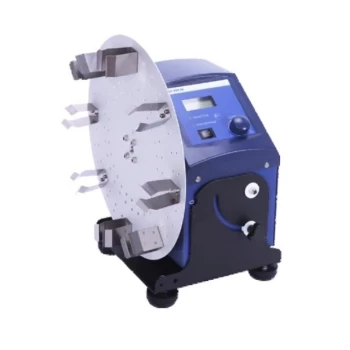
Laboratory Disc Rotary Mixer for Efficient Sample Mixing and Homogenization

Laboratory Disc Rotary Mixer for Efficient Sample Mixing and Homogenization

Efficient Laboratory Disc Rotary Mixer for Precise Sample Mixing, Versatile for Various Applications, DC Motor and Microcomputer Control, Adjustable Speed and Angle.

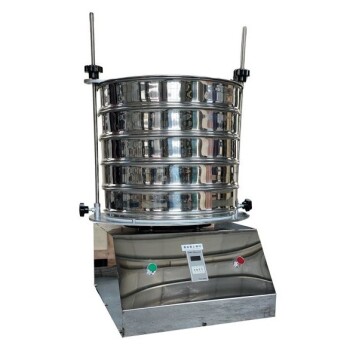
Laboratory Test Sieves and Sieving Machines

Laboratory Test Sieves and Sieving Machines

Precision lab test sieves & sieving machines for accurate particle analysis. Stainless steel, ISO-compliant, 20μm-125mm range. Request specs now!

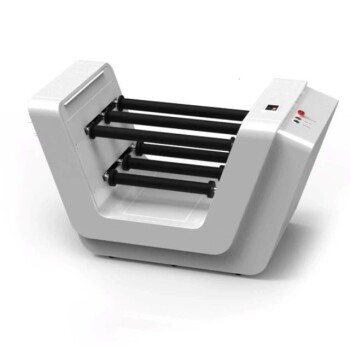
Laboratory Single Horizontal Jar Mill

Laboratory Single Horizontal Jar Mill

KT-JM3000 is a mixing and grinding instrument for placing a ball milling tank with a volume of 3000ml or less. It adopts frequency conversion control to realize timing, constant speed, direction change, overload protection and other functions.

Laboratory Vibratory Sieve Shaker Machine Slap Vibrating Sieve

Laboratory Vibratory Sieve Shaker Machine Slap Vibrating Sieve

KT-T200TAP is a slapping and oscillating sieving instrument for laboratory desktop use, with 300 rpm horizontal circular motion and 300 vertical slapping motions to simulate manual sieving to help sample particles pass through better.

Laboratory Ten-Body Horizontal Jar Mill for Lab Use

Laboratory Ten-Body Horizontal Jar Mill for Lab Use

The Ten-body horizontal jar mill is for 10 ball mill pots (3000ml or less). It has frequency conversion control, rubber roller movement, and PE protective cover.

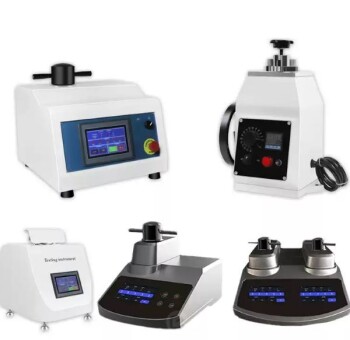
Metallographic Specimen Mounting Machine for Laboratory Materials and Analysis

Metallographic Specimen Mounting Machine for Laboratory Materials and Analysis

Precision metallographic mounting machines for labs—automated, versatile, and efficient. Ideal for sample prep in research and quality control. Contact KINTEK today!

Laboratory Sterilizer Lab Autoclave Vertical Pressure Steam Sterilizer for Liquid Crystal Display Automatic Type

Laboratory Sterilizer Lab Autoclave Vertical Pressure Steam Sterilizer for Liquid Crystal Display Automatic Type

Liquid crystal display automatic vertical sterilizer is a safe, reliable and automatic control sterilization equipment, which is composed of heating system, microcomputer control system and overheating and overvoltage protection system.

Laboratory Sterilizer Lab Autoclave Pulse Vacuum Lifting Sterilizer

Laboratory Sterilizer Lab Autoclave Pulse Vacuum Lifting Sterilizer

The pulse vacuum lifting sterilizer is a state-of-the-art equipment for efficient and precise sterilization. It uses pulsating vacuum technology, customizable cycles, and a user-friendly design for easy operation and safety.

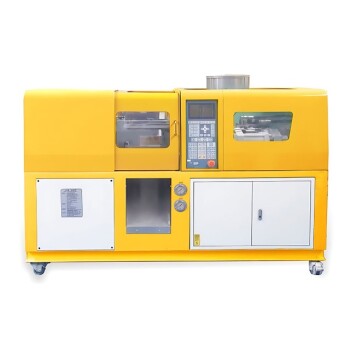
Small Injection Molding Machine for Lab Use

Small Injection Molding Machine for Lab Use

The small injection molding machinehas fast and stable movements; good controllability and repeatability, super energy saving; the product can be automatically dropped and formed; the machine body is low, convenient for feeding, easy to maintain, and no height restrictions on the installation site.

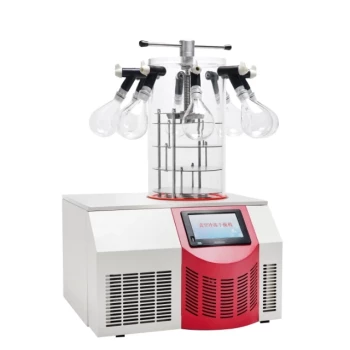
Benchtop Laboratory Freeze Dryer for Lab Use

Benchtop Laboratory Freeze Dryer for Lab Use

Premium benchtop laboratory freeze dryer for lyophilization, preserving samples with ≤ -60°C cooling. Ideal for pharmaceuticals & research.

HFCVD Machine System Equipment for Drawing Die Nano-Diamond Coating

HFCVD Machine System Equipment for Drawing Die Nano-Diamond Coating

The nano-diamond composite coating drawing die uses cemented carbide (WC-Co) as the substrate, and uses the chemical vapor phase method ( CVD method for short ) to coat the conventional diamond and nano-diamond composite coating on the surface of the inner hole of the mold.

Anti-Cracking Press Mold for Lab Use

Anti-Cracking Press Mold for Lab Use

The anti-cracking press mold is a specialized equipment designed for molding various shapes and sizes of film using high pressure and electric heating.

Benchtop Laboratory Vacuum Freeze Dryer

Benchtop Laboratory Vacuum Freeze Dryer

Benchtop laboratory freeze dryer for efficient lyophilization of biological, pharmaceutical, and food samples. Features intuitive touchscreen, high-performance refrigeration, and durable design. Preserve sample integrity—consult now!

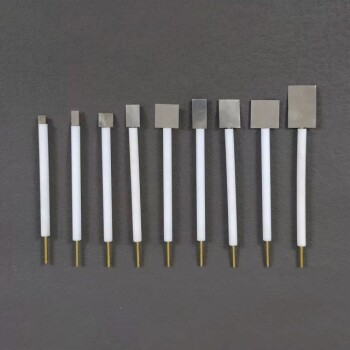
Platinum Sheet Electrode for Laboratory and Industrial Applications

Platinum Sheet Electrode for Laboratory and Industrial Applications

Elevate your experiments with our Platinum Sheet Electrode. Crafted with quality materials, our safe and durable models can be tailored to fit your needs.

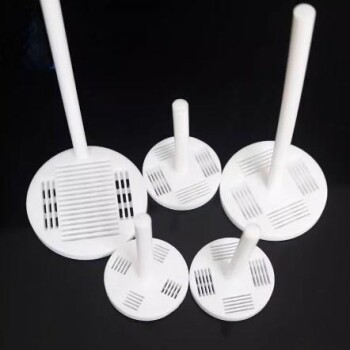
Custom Machined and Molded PTFE Teflon Parts Manufacturer for Laboratory ITO FTO Conductive Glass Cleaning Flower Basket

Custom Machined and Molded PTFE Teflon Parts Manufacturer for Laboratory ITO FTO Conductive Glass Cleaning Flower Basket

PTFE cleaning racks are mainly made of tetrafluoroethylene. PTFE, known as the "King of Plastics", is a polymer compound made of tetrafluoroethylene.

Precision Machined Zirconia Ceramic Ball for Engineering Advanced Fine Ceramics

Precision Machined Zirconia Ceramic Ball for Engineering Advanced Fine Ceramics

zirconia ceramic ball have the characteristics of high strength, high hardness, PPM wear level, high fracture toughness, good wear resistance, and high specific gravity.

Variable Speed Peristaltic Pump

Variable Speed Peristaltic Pump

KT-VSP Series Smart Variable Speed Peristaltic Pumps offer precise flow control for labs, medical, and industrial applications. Reliable, contamination-free liquid transfer.

Custom PTFE Teflon Parts Manufacturer for Centrifuge Tube Racks

Custom PTFE Teflon Parts Manufacturer for Centrifuge Tube Racks

The precision-made PTFE test tube racks are completely inert and, due to the high temperature properties of PTFE, these test tube racks can be sterilized (autoclaved) without any problems.

915MHz MPCVD Diamond Machine Microwave Plasma Chemical Vapor Deposition System Reactor

915MHz MPCVD Diamond Machine Microwave Plasma Chemical Vapor Deposition System Reactor

915MHz MPCVD Diamond Machine and its multi-crystal effective growth, the maximum area can reach 8 inches, the maximum effective growth area of single crystal can reach 5 inches. This equipment is mainly used for the production of large-size polycrystalline diamond films, the growth of long single crystal diamonds, the low-temperature growth of high-quality graphene, and other materials that require energy provided by microwave plasma for growth.

CVD Diamond Cutting Tool Blanks for Precision Machining

CVD Diamond Cutting Tool Blanks for Precision Machining

CVD Diamond Cutting Tools: Superior Wear Resistance, Low Friction, High Thermal Conductivity for Non-Ferrous Materials, Ceramics, Composites Machining


Leave Your Message