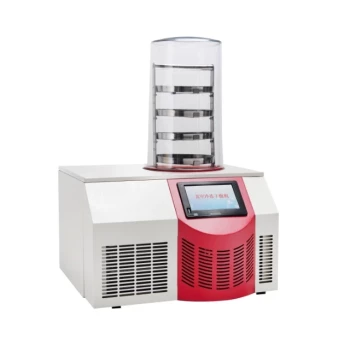
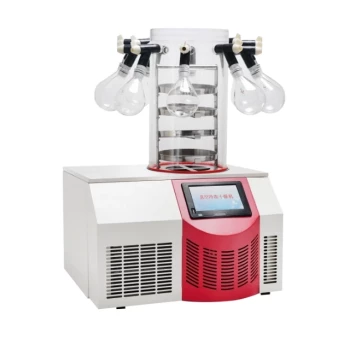
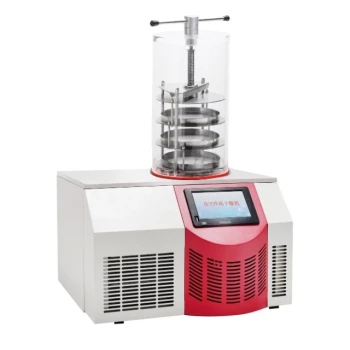
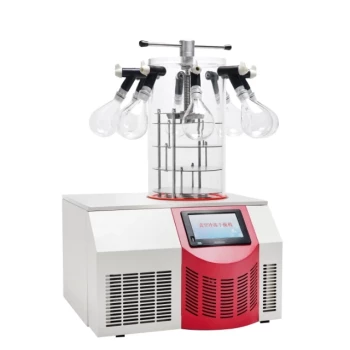
The decisive advantage of using a vacuum freeze dryer for carbon nitride nanosheets is the prevention of material agglomeration through the process of sublimation. By removing solvents in a frozen state rather than through liquid evaporation, this method preserves the nanosheets' delicate structure, ensuring they remain dispersed rather than stacking together. This directly results in a maximizing of the specific surface area, which is the critical factor for enhancing the material's performance in applications like photocatalysis.
The Core Distinction Traditional thermal drying relies on liquid evaporation, where surface tension pulls nanosheets together, causing them to collapse and stack (agglomeration). Vacuum freeze drying bypasses the liquid phase entirely, "locking in" the dispersed structure to ensure the highest possible number of active reaction sites.
The Mechanism of Structural Preservation
Eliminating Liquid-Phase Migration
The fundamental difference lies in how the solvent is removed. In a vacuum freeze dryer, the solvent is frozen and then removed via sublimation (transitioning directly from solid to gas).
Avoiding Surface Tension Collapse
Traditional thermal drying keeps the solvent in a liquid phase during removal. As the liquid evaporates, surface tension creates capillary forces that pull the nanosheets together.
This tension is the primary cause of the "restacking" or agglomeration that destroys the potential of nanomaterials. Freeze drying eliminates this tension entirely.
Performance Impacts on Carbon Nitride
Retention of Specific Surface Area
Because the sheets are prevented from restacking, the material retains an ultra-high specific surface area. The final product is a loose, porous structure rather than a dense, hardened clump.
Optimization for Photocatalysis
For carbon nitride nanosheets, surface area equates to function. A dispersed structure exposes more "active sites" on the surface of the material.
According to the primary technical data, this directly correlates to superior photocatalytic activity. The material is simply more accessible to the reactants it needs to process.
Preservation of Porous Architecture
Beyond just surface area, the internal geometry is maintained. Thermal drying often causes "hornification" or pore collapse, effectively sealing off the internal structure. Freeze drying maintains the original three-dimensional porous network.
Understanding the Trade-offs
The Cost of Quality
While freeze drying produces a superior material, it is generally a slower and more energy-intensive batch process compared to simple thermal drying.
Thermal Drying Limitations
Conventional thermal drying (even in vacuum ovens) accelerates evaporation via heat. While faster, this introduces the risk of microstructural collapse and irreversible aggregation.
If the goal is high-throughput production of low-grade material, thermal drying is sufficient. However, for high-performance nanotechnology, the structural damage caused by thermal drying is often unacceptable.
Making the Right Choice for Your Goal
To maximize the utility of your carbon nitride nanosheets, align your drying method with your specific performance metrics:
- If your primary focus is Photocatalytic Efficiency: Use a vacuum freeze dryer to maximize active sites and prevent nanosheet stacking.
- If your primary focus is Structural Integrity: Use a vacuum freeze dryer to avoid pore collapse and maintain the original 3D porous network.
- If your primary focus is Rapid Bulk Processing: Thermal drying may be used, but acknowledge that significant specific surface area will be lost to agglomeration.
Summary: For advanced applications requiring high reactivity, the preservation of the dispersed nanostructure makes vacuum freeze drying the only technically viable option.
Summary Table:
| Feature | Vacuum Freeze Drying | Traditional Thermal Drying |
|---|---|---|
| Mechanism | Sublimation (Solid to Gas) | Evaporation (Liquid to Gas) |
| Material Structure | Preserves dispersed nanosheets | Causes restacking and collapse |
| Surface Tension | Eliminated (No capillary forces) | High (Causes agglomeration) |
| Surface Area | Ultra-high / Maximum retention | Significantly reduced |
| Porous Network | Maintained 3D architecture | Pore collapse ("Hornification") |
| Primary Use Case | High-performance nanotechnology | High-throughput low-grade bulk |
Elevate Your Nanomaterial Research with KINTEK
Don't let traditional drying methods compromise your material's potential. KINTEK specializes in advanced laboratory solutions, offering high-performance vacuum freeze dryers (cold traps and freeze dryers) designed to preserve the delicate architecture of your carbon nitride nanosheets and other nanomaterials.
Our comprehensive portfolio also includes high-temperature furnaces, crushing and milling systems, and hydraulic presses to support your entire material synthesis workflow. Maximize your specific surface area and enhance photocatalytic activity today.
Contact our technical experts to find the perfect drying solution for your lab!
References
- Q. Chen, Shibiao Wu. Photodegradation of Norfloxacin on Ni0.5Cd0.5S/g-C3N4 Composites in Water. DOI: 10.52568/001643/jcsp/47.02.2025
This article is also based on technical information from Kintek Solution Knowledge Base .
Related Products
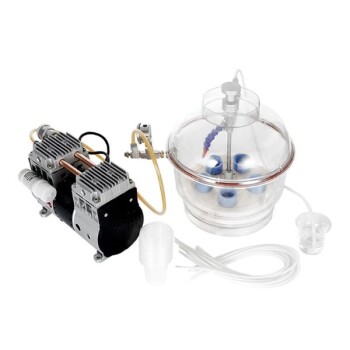
- Benchtop Laboratory Vacuum Freeze Dryer
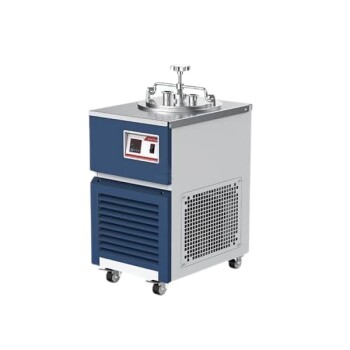
- High Performance Laboratory Freeze Dryer
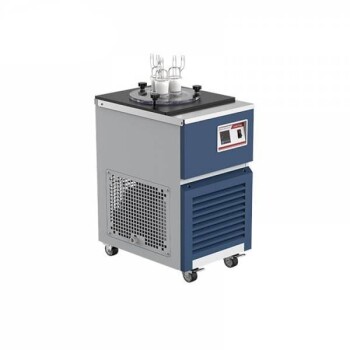
- High Performance Laboratory Freeze Dryer for Research and Development
- Benchtop Laboratory Freeze Dryer for Lab Use
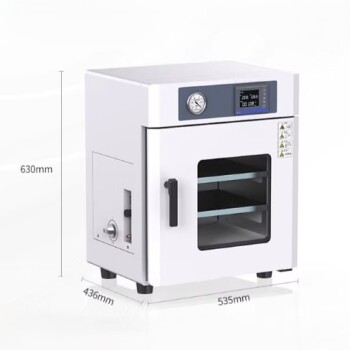
- 56L Vertical Laboratory Vacuum Drying Oven
People Also Ask
- What are the technical advantages of using a laboratory freeze dryer for porous carbon precursors? Preserve 3D Networks
- How do laboratory freeze dryers support scientific research? Preserve Sample Integrity for Reproducible Results
- Why is a laboratory freeze dryer preferred over traditional heating? Preserve Biochar Structure & Maximize Porosity
- What types of liquid samples can be processed using a laboratory freeze dryer? Preserve Your Sensitive Materials
- What role do laboratory freeze dryers play in the food industry? Unlock Superior Food Preservation