Atmospheric sintering is the critical manufacturing step that endows Silicon Carbide (SiC) components with the structural density required for sulfuric acid (H2SO4) decomposers. This process yields a highly dense microstructure, directly resulting in an average tensile strength exceeding 249 MPa. This exceptional strength allows the ceramic to withstand the severe internal forces inherent in high-temperature chemical decomposition.
The primary value of atmospheric sintering lies in its ability to create a strength margin nearly double the calculated maximum stress. This ensures structural integrity against both mechanical pressure and thermal shock, making it a critical choice for industrial-scale safety.
Structural Integrity Through Microstructure
Achieving High Density
The core benefit of the atmospheric sintering process is the modification of the material's microstructure. By processing the SiC under specific atmospheric conditions, the ceramic achieves a highly dense state. This density is not merely a surface feature but extends through the component, eliminating porosity that could lead to structural weakness.
Superior Tensile Strength
Directly resulting from this densification, the components exhibit substantial mechanical resilience. The process guarantees an average tensile strength of greater than 249 MPa. This specific threshold is vital for preventing fracture under the immense physical loads placed on the decomposer units.
Handling Operational Stressors
Managing Pressure Differentials
In an H2SO4 decomposer, the components must separate different fluid streams, specifically helium and sulfuric acid. These fluids often operate at different pressures, creating a significant mechanical load on the ceramic walls. The high tensile strength derived from atmospheric sintering ensures the component maintains its shape and seal against these pressure differentials.
Resisting Thermal Shock
Industrial decomposition involves extreme heat, creating sharp temperature variations within the component. The material must withstand thermal gradients reaching up to 240°C without cracking. The dense microstructure produced by atmospheric sintering prevents the propagation of micro-cracks that typically lead to failure during such rapid temperature shifts.
Understanding the Operational Requirements
The Necessity of the Safety Margin
While standard ceramics may handle moderate stress, the atmospheric sintering process provides a critical safety factor. The resulting strength is typically double the calculated maximum stress the unit is expected to face.
Reliance on Process Consistency
The reliance on this specific manufacturing process implies that deviations in sintering conditions can drastically reduce performance. Because the safety of the operation depends on the 249 MPa threshold, strict adherence to the atmospheric sintering parameters is non-negotiable to maintain the structural guarantee.
Ensuring Reliability in Chemical Processing
To determine if this material specification fits your engineering requirements, consider your specific operational parameters.
- If your primary focus is Operational Safety: Rely on atmospheric sintering to provide a strength margin that is double the maximum stress load.
- If your primary focus is Thermal Durability: Utilize this process to ensure the component survives sharp thermal gradients up to 240°C without structural failure.
Atmospheric sintering transforms SiC from a standard ceramic into a high-performance barrier capable of surviving the harshest industrial environments.
Summary Table:
| Feature | Performance Specification | Operational Benefit |
|---|---|---|
| Tensile Strength | > 249 MPa | Provides a 2x safety margin against mechanical failure |
| Microstructure | High-Density, Non-Porous | Prevents leaks and structural weakness under pressure |
| Thermal Resistance | Up to 240°C Gradient | Resists cracking and failure during rapid temperature shifts |
| Pressure Handling | High Differential Tolerance | Maintains seals between helium and sulfuric acid streams |
Elevate Your Chemical Processing Reliability with KINTEK
Maximize the safety and efficiency of your H2SO4 decomposers with high-performance SiC components from KINTEK. As specialists in laboratory and industrial equipment, we provide the advanced high-temperature furnaces and technical ceramics required to achieve a 249 MPa strength threshold and superior thermal durability.
Whether you need precision crushing and milling systems for material preparation or high-temperature high-pressure reactors for chemical decomposition, our expert team is ready to support your most demanding engineering requirements.
Ready to secure your structural safety margin? Contact KINTEK today to discuss your project needs!
References
- Atsuhiko Terada, Shuichi ISHIKURA. ICONE19-43220 DEVELOPMENT OF HYDRAULIC ANALYSIS CODE FOR OPTIMIZING CERAMICS REACTORS. DOI: 10.1299/jsmeicone.2011.19._icone1943_88
This article is also based on technical information from Kintek Solution Knowledge Base .
Related Products
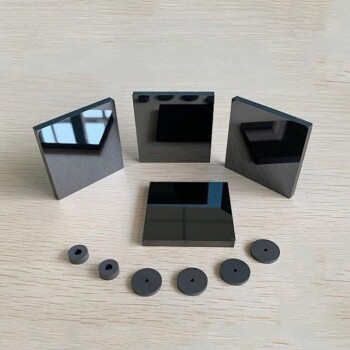
- Silicon Carbide (SIC) Ceramic Sheet Wear-Resistant Engineering Advanced Fine Ceramics
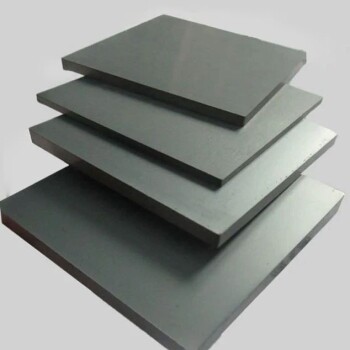
- Silicon Carbide (SIC) Ceramic Plate for Engineering Advanced Fine Ceramics
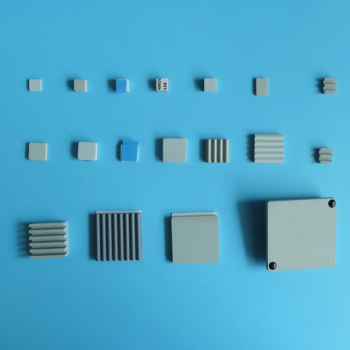
- Silicon Carbide (SIC) Ceramic Sheet Flat Corrugated Heat Sink for Engineering Advanced Fine Ceramics
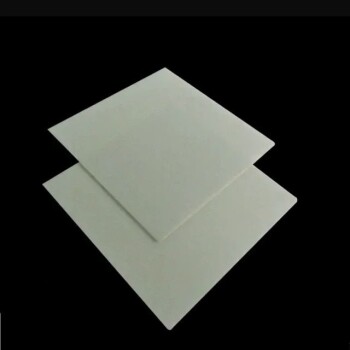
- Precision Machined Silicon Nitride (SiN) Ceramic Sheet for Engineering Advanced Fine Ceramics
- Engineering Advanced Fine Ceramics Alumina Crucibles (Al2O3) for Thermal Analysis TGA DTA
People Also Ask
- What is the strongest ceramics? Silicon Carbide Leads in Hardness & Thermal Strength
- What are the properties and applications of silicon carbide ceramics? Solve Extreme Engineering Challenges
- What are the uses of silicon carbide ceramics in different industries? Master Extreme Performance in Aerospace, Semiconductors & More
- What are the properties of SiC? Unlock High-Temperature, High-Frequency Performance
- What are the applications of silicon carbide? From Abrasives to High-Tech Semiconductors