Selecting the right structural refractory material requires a holistic evaluation of three critical performance pillars: thermal stability, chemical resistance, and mechanical integrity. For reactors operating under high temperature and high pressure, you must prioritize materials—such as high-performance ceramics, superalloys, or composites—that can withstand thermal shock, resist corrosive attacks (oxidation and reduction), and maintain strength without creeping. Ignoring any one of these factors will compromise structural reliability and drastically increase maintenance requirements.
Core Takeaway Achieving long-term operational success relies on selecting materials that balance resistance to thermal shock and chemical degradation with high mechanical strength; relying on high-performance ceramics or superalloys is often necessary to minimize maintenance costs and ensure safety in these aggressive environments.
Evaluating Thermal Performance
Thermal Shock Stability
In high-temperature reactors, rapid temperature fluctuations are a significant threat. You must select materials capable of expanding and contracting without developing micro-cracks.
Thermal shock stability ensures the refractory lining does not spall or fracture during startup, shutdown, or process spikes.
Operational Temperature Limits
The base material must maintain its structural integrity well above the standard operating temperature of the reactor. This provides a safety margin against unexpected thermal excursions.
Navigating Chemical Interactions
Resistance to Corrosion and Oxidation
Chemical reactors frequently process aggressive substances. The refractory material must be chemically inert to the specific reactants and products present.
High resistance to oxidation prevents the material from degrading or flaking when exposed to oxygen-rich environments at high heat.
Stability in Reducing Atmospheres
Conversely, some reactor environments are reducing in nature. The material must resist reduction, a process where chemical components of the refractory are stripped away, leading to structural porosity and weakness.
Ensuring Mechanical Durability
High-Temperature Strength
Pressure adds significant mechanical stress to the thermal load. The material must possess exceptional high-temperature strength to bear these loads without fracturing.
Standard materials often lose strength as temperatures rise; specialized superalloys or ceramics are required to maintain rigidity under pressure.
Creep Resistance
Over long periods of operation, materials under constant stress can slowly deform, a phenomenon known as creep.
Selecting materials with high creep resistance is vital to ensure the reactor maintains its precise dimensions and structural seal over years of service.
Understanding the Trade-offs
Cost vs. Performance
Materials like superalloys and high-performance ceramics offer superior protection but come at a premium price.
You must weigh the higher upfront investment against the long-term savings gained from reduced downtime and lower maintenance costs.
Complexity of Protective Coatings
While specialized protective coatings can enhance the chemical resistance of a substrate, they add complexity.
A coating introduces a failure point; if the coating is damaged by mechanical impact or thermal expansion mismatch, the underlying material is immediately compromised.
Making the Right Choice for Your Project
To maximize the lifespan and safety of your reactor, align your material selection with your most critical operational constraint.
- If your primary focus is structural reliability: Prioritize materials with exceptional high-temperature strength and creep resistance to withstand the combined physical stress of heat and pressure.
- If your primary focus is minimizing maintenance costs: Select high-performance ceramics or alloys with superior thermal shock stability and corrosion resistance to prevent degradation and extend service intervals.
By rigorously balancing thermal, chemical, and mechanical properties, you ensure a reactor design that is both durable and economically efficient.
Summary Table:
| Selection Factor | Key Requirement | Importance for High-Pressure Reactors |
|---|---|---|
| Thermal Performance | Thermal Shock Stability | Prevents cracking/spalling during rapid temperature fluctuations. |
| Chemical Resistance | Oxidation & Corrosion Inertness | Protects structural integrity from aggressive chemical reactants. |
| Mechanical Durability | Creep Resistance | Prevents slow deformation under constant stress and high heat. |
| Material Choice | High-Performance Ceramics/Alloys | Ensures safety and longevity in extreme processing environments. |
Maximize Your Reactor Longevity with KINTEK Expertise
Selecting the right structural materials is critical for the safety and efficiency of your high-temperature operations. KINTEK specializes in advanced laboratory equipment and high-performance consumables, offering a comprehensive range of high-temperature high-pressure reactors and autoclaves designed to withstand the most demanding chemical environments.
Whether you require specialized ceramics and crucibles, precision crushing and milling systems, or custom PTFE products, our team provides the technical insight needed to minimize maintenance and prevent structural failure.
Ready to upgrade your lab's performance? Contact us today to consult with our specialists and find the perfect refractory solution for your project.
References
- Marko Simić, Tatjana Volkov‐Husović. High temperature materials: properties, demands and applications. DOI: 10.2298/hemind200421019s
This article is also based on technical information from Kintek Solution Knowledge Base .
Related Products
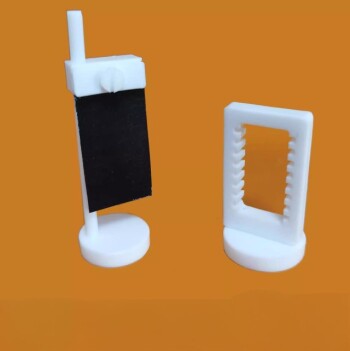
- Custom PTFE Teflon Parts Manufacturer for Hydrothermal Synthesis Reactor Polytetrafluoroethylene Carbon Paper and Carbon Cloth Nano-growth
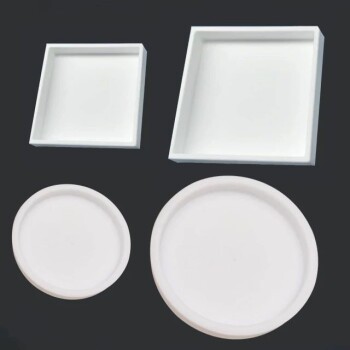
- Custom PTFE Teflon Parts Manufacturer for PTFE Containers
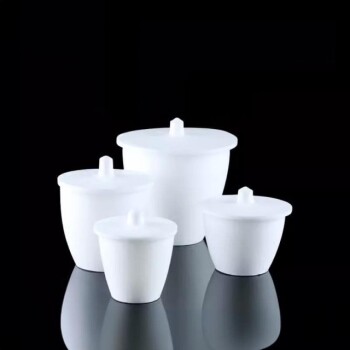
- Custom Machined and Molded PTFE Teflon Parts Manufacturer with PTFE Crucible and Lid
- Round Bidirectional Press Mold for Lab
- Cylindrical Press Mold with Scale for Lab
People Also Ask
- What is the function of a PTFE reactor in MXene etching? Ensure Safe, High-Purity MAX Phase Conversion
- Why is a PTFE reactor required for titanium-based nano-ceramic coating solutions? Ensure Chemical Inertness & Purity
- Why must a Polytetrafluoroethylene (PTFE) reactor be used for Ti3C2TX MXene etching? Ensure Safety and Purity
- Why are PTFE reactors preferred for silver phosphate glass testing? Ensure Purity and Kinetic Accuracy
- What are the advantages of using polytetrafluoroethylene (PTFE) liners in hydrothermal synthesis reactors? High Purity