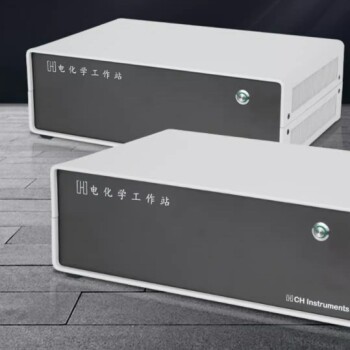
An electrochemical workstation functions as the central diagnostic engine for assessing the stability of titanium alloys when exposed to fluoride-containing environments. Its primary role is to execute three specific measurement techniques—Open Circuit Potential (OCP), polarization curves, and Electrochemical Impedance Spectroscopy (EIS)—to quantitatively evaluate how the metal's protective passivation film resists or succumbs to corrosive attack.
By monitoring potential fluctuations and current density in real-time, the workstation provides the decisive data needed to determine the critical fluoride concentration required to breach the titanium's passivation film and evaluate its ability to self-repair.
Primary Measurement Capabilities
Tracking Open Circuit Potential (OCP)
The workstation continuously measures the Open Circuit Potential (OCP) of the titanium alloy within the corrosive media.
By monitoring these potential fluctuations in real-time, the system establishes a baseline for the material's thermodynamic stability before external electrical stress is applied.
Generating Polarization Curves
The device generates polarization curves to visualize the relationship between potential and current density.
This process quantitatively evaluates the passivation range and the self-corrosion potential of the alloy. It reveals the specific voltage window where the material remains protected versus where it begins to degrade.
Performing Electrochemical Impedance Spectroscopy (EIS)
The workstation utilizes EIS to apply small AC signals to the system, measuring the response over a range of frequencies.
This technique is essential for calculating the resistance of the passivation film. High resistance values typically indicate a robust, intact protective layer, while drops in resistance signal film degradation.
Evaluating Material Performance in Fluoride
Determining Critical Fluoride Limits
One of the most critical functions of the workstation in this context is defining the "tipping point" of corrosion.
The data collected is decisive for determining the critical concentration of fluoride ions required to chemically attack and break down the titanium's oxide film.
Assessing Repassivation Ability
Beyond just measuring damage, the workstation evaluates the material's resilience.
It quantitatively assesses the repassivation ability, which is the alloy's capacity to spontaneously reform its protective film after it has been damaged by fluoride ions.
Understanding the Analytical Context
The Necessity of Real-Time Monitoring
The value of the workstation lies in its ability to monitor potential fluctuations and current density simultaneously and in real-time.
Static measurements are insufficient in fluoride environments because the corrosion process is dynamic; the workstation captures the exact moment the passivation film fails.
Correlation of Data Points
Relying on a single metric can be misleading.
Accurate evaluation requires correlating the film resistance (from EIS) with the passivation range (from polarization curves) to distinguish between temporary surface changes and permanent material failure.
Making the Right Choice for Your Goal
To effectively utilize an electrochemical workstation for titanium alloys, tailor your testing strategy to your specific objectives:
- If your primary focus is defining safety limits: Prioritize polarization curves to identify the exact self-corrosion potential and critical fluoride concentration thresholds.
- If your primary focus is material longevity: Focus on Electrochemical Impedance Spectroscopy (EIS) to track the resistance and stability of the passivation film over time.
The workstation transforms raw electrical signals into a definitive verdict on material safety and durability.
Summary Table:
| Measurement Technique | Primary Function | Key Metric Obtained |
|---|---|---|
| Open Circuit Potential (OCP) | Baseline stability monitoring | Thermodynamic stability & potential fluctuations |
| Polarization Curves | Corrosion threshold identification | Passivation range & self-corrosion potential |
| Electrochemical Impedance Spectroscopy (EIS) | Passivation film analysis | Film resistance & degradation detection |
| Dynamic Monitoring | Real-time failure analysis | Critical fluoride concentration & repassivation ability |
Elevate Your Material Research with KINTEK Precision
Ensure the integrity of your titanium alloys and advanced materials with KINTEK’s high-precision electrochemical workstations and laboratory solutions. Whether you are defining safety limits through polarization curves or assessing long-term durability via EIS, our equipment provides the decisive data needed for critical research.
Our Comprehensive Portfolio Includes:
- Electrochemical Research: Advanced potentiostats, specialized electrolytic cells, and high-performance electrodes.
- Extreme Condition Testing: High-temperature high-pressure reactors, autoclaves, and a wide range of muffle, tube, and vacuum furnaces.
- Sample Preparation: Precision crushing, milling, sieving equipment, and hydraulic presses.
- Specialized Lab Ware: Essential PTFE products, ceramics, and crucibles designed for corrosive environments.
Ready to optimize your testing accuracy? Contact KINTEK today to discover how our high-performance tools can transform your laboratory's capabilities.
References
- Hailong Dai, Xu Chen. Recent progress on the corrosion behavior of metallic materials in HF solution. DOI: 10.1515/corrrev-2020-0101
This article is also based on technical information from Kintek Solution Knowledge Base .
Related Products
- Lab Electrochemical Workstation Potentiostat for Laboratory Use
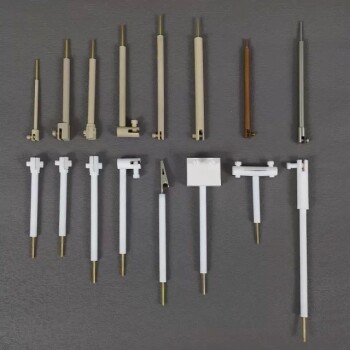
- Electrode Fixture for Electrochemical Experiments
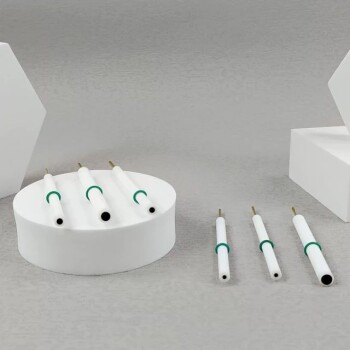
- Glassy Carbon Electrochemical Electrode
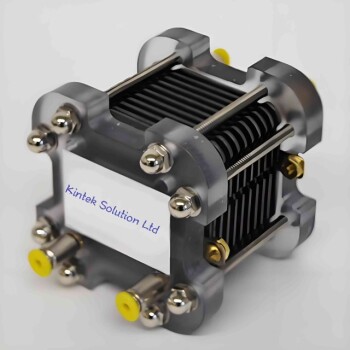
- Side Window Optical Electrolytic Electrochemical Cell
- Electrolytic Electrochemical Cell with Five-Port
People Also Ask
- How does an electrochemical workstation assist in assessing corrosion resistance? Quantify Laser-Remelted Steel Performance
- How does an electrochemical testing system evaluate mesoporous oxide electrodes? Precision Analysis for Battery Research
- What is the primary function of a high-precision electrochemical workstation? Optimize Your Reactor Performance
- What role do electrochemical workstations play in researching the corrosion resistance of carbon coatings? Expert Guide
- What characteristics are analyzed using an electrochemical workstation during EIS testing of solid-state batteries?