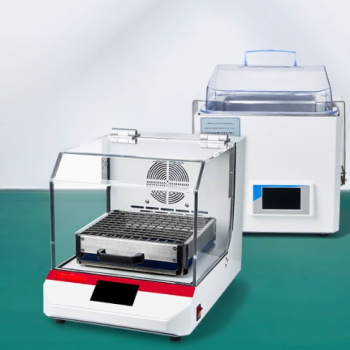
A constant temperature incubator establishes a stable 37 °C growth environment. This precise thermal condition is essential for culturing clinically relevant pathogens—specifically Escherichia coli, Pseudomonas aeruginosa, and Staphylococcus aureus—on nanostructured Ti-6Al-4V surfaces. It serves to mimic the physiological temperature of the human body, ensuring that observed bacterial behaviors are relevant to actual clinical scenarios.
The primary function of the incubator is to eliminate environmental variables. By maintaining a strict 37 °C temperature, researchers ensure that any variance in bacterial growth is caused by the nanostructured surface itself, not by external thermal fluctuations.
The Importance of Thermal Stability
Replicating Host Conditions
The incubator provides a consistent 37 °C atmosphere to simulate the internal environment of the human body.
This is critical because the pathogens in question—E. coli, P. aeruginosa, and S. aureus—are mesophiles that thrive at body temperature.
Testing at this specific temperature ensures that the experiment accurately predicts how bacteria will interact with the titanium implant in vivo.
Standardizing Bacterial Physiology
Bacteria are highly sensitive to temperature changes, which can alter their metabolism and reproduction rates.
The constant temperature incubator ensures that the bacteria maintain consistent physiological states throughout the experiment.
This stability prevents metabolic slowdowns or spikes that could be misinterpreted as the result of the surface interaction.
Evaluating Nanostructured Surfaces
Isolating the Surface Variable
When testing Ti-6Al-4V surfaces, the goal is to determine how specific nanostructures affect bacterial adhesion.
To do this effectively, the temperature must be removed as a variable.
The incubator ensures that the only significant difference between test groups is the surface topography, not the growth conditions.
Objective Comparison of Etching Parameters
Researchers often use different etching parameters to create various nanostructures on the titanium alloy.
A stable environment allows for an objective, side-by-side comparison of these different parameters.
It enables scientists to definitively conclude which etching technique most effectively inhibits bacterial attachment and biofilm formation.
Understanding the Risks of Fluctuation
The Danger of False Positives
If the incubator temperature drifts lower than 37 °C, bacterial growth may slow naturally.
This could lead to a false positive, where a researcher mistakenly attributes reduced bacterial growth to the nanostructured surface rather than the environmental drop.
The Necessity of Continuous Control
Fluctuations can disrupt the formation of biofilms, masking the true efficacy of the surface.
Without the rigorous control provided by a constant temperature incubator, data regarding the antibacterial properties of the Ti-6Al-4V surface becomes unreliable.
Validating Your Experimental Design
To ensure your research on nanostructured titanium implants is scientifically sound, consider the following goals:
- If your primary focus is Clinical Relevance: Ensure the incubator is calibrated strictly to 37 °C to accurately model the environment the pathogen will encounter within the human host.
- If your primary focus is Material Science: Rely on the thermal stability to isolate surface topography as the sole independent variable, allowing for precise comparison of different etching techniques.
By strictly controlling the thermal environment, you transform biological noise into actionable data regarding implant safety and efficacy.
Summary Table:
| Feature | Purpose in Pathogen Research | Benefit to Experiment |
|---|---|---|
| 37 °C Stability | Mimics human body temperature | Ensures clinical relevance of results |
| Variable Isolation | Removes thermal fluctuation | Identifies surface topography effects |
| Metabolic Control | Standardizes bacterial physiology | Prevents metabolic spikes/slowdowns |
| Atmospheric Consistency | Supports mesophilic growth | Accurate comparison of etching parameters |
Elevate Your Biomedical Research with KINTEK Precision
Ensure the integrity of your clinical simulations and material testing with KINTEK’s high-precision laboratory solutions. Whether you are researching bacterial adhesion on nanostructured Ti-6Al-4V surfaces or developing next-generation implants, our constant temperature incubators, cooling solutions (ULT freezers), and advanced shakers provide the stable environment your pathogens require.
From high-performance PTFE products and crucibles for material preparation to sophisticated high-temperature furnaces and crushing systems for alloy synthesis, KINTEK empowers researchers with the tools needed to eliminate environmental noise and focus on discovery.
Ready to standardize your lab’s thermal environment and maximize experimental accuracy?
Contact KINTEK Today for Expert Consultation
References
- Richard Bright, Krasimir Vasilev. Bio-Inspired Nanostructured Ti-6Al-4V Alloy: The Role of Two Alkaline Etchants and the Hydrothermal Processing Duration on Antibacterial Activity. DOI: 10.3390/nano12071140
This article is also based on technical information from Kintek Solution Knowledge Base .
Related Products
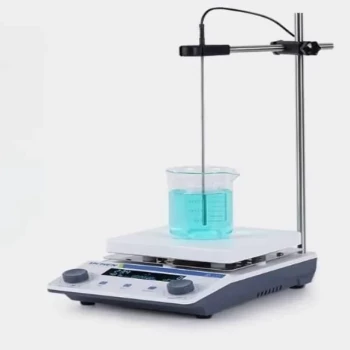
- Laboratory Small Constant Temperature Heated Magnetic Stirrer Heater and Stirrer
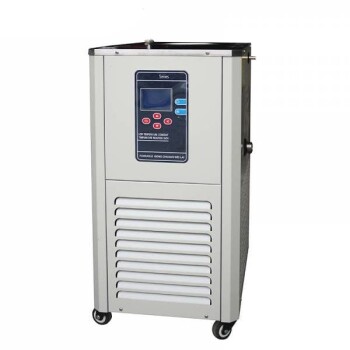
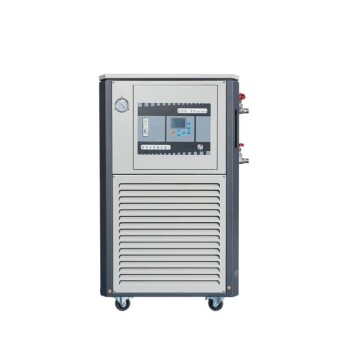
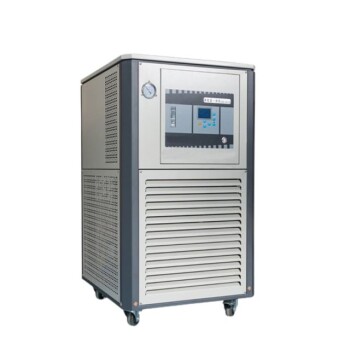
- 10L Chilling Circulator Cooling Water Bath Low Temperature Constant Temperature Reaction Bath
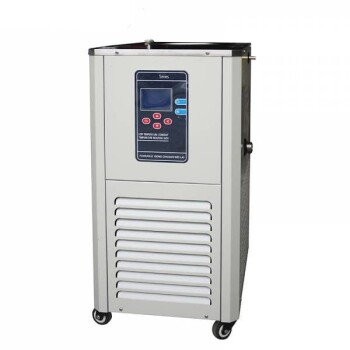
- 50L Chiller Water Bath Cooling Circulator Low Temperature Constant Temperature Reaction Bath
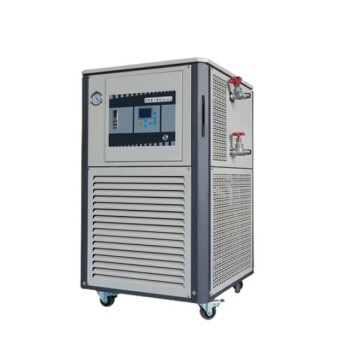
- High Temperature Constant Temperature Heating Circulator Water Bath Chiller Circulator for Reaction Bath
- 30L Chiller Water Bath Cooling Circulator Low Temperature Constant Temperature Reaction Bath
People Also Ask
- What role does a magnetic stirrer with heating play in ZnO nanoparticle synthesis? Precision Control for Quality Results
- What role does a constant temperature heating magnetic stirrer play in MFC-HAp synthesis? Achieve Material Homogeneity
- What is the function of a laboratory magnetic stirrer in Ni–Cr–P electrodeposition? Optimize Ion Transport & Coating
- Why is a laboratory magnetic stirrer required for benzoic acid esters? Boost Reaction Speed & Yield with High RPM
- What role does a laboratory magnetic stirrer play in TiO2 and TiO2-Ag sol preparation? Master Chemical Kinetics