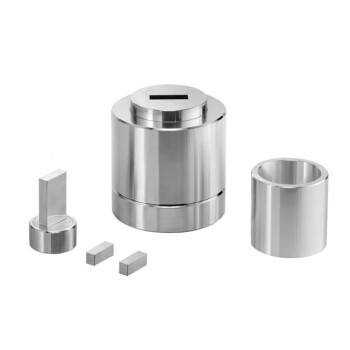
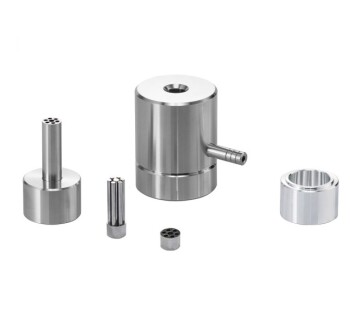
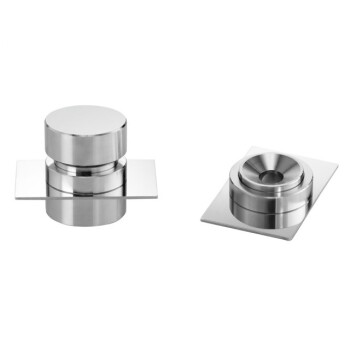
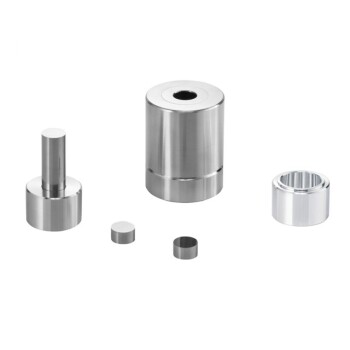
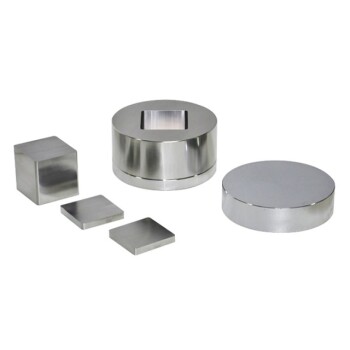
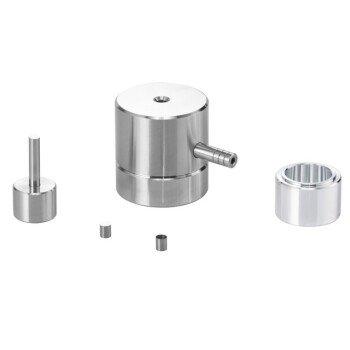
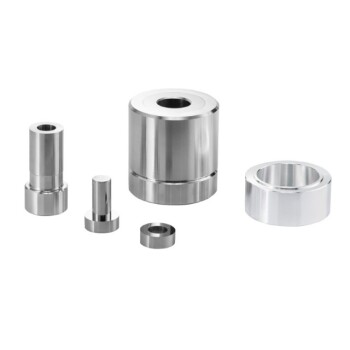
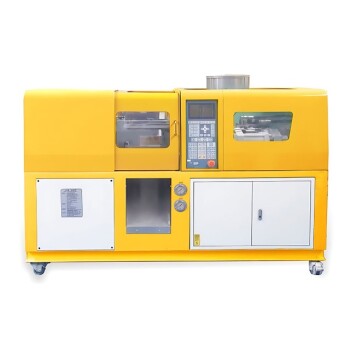
The primary function of a laboratory mechanical press and stainless steel mold is to physically transform loose, high-purity L-proline powder into a solid, compact disk. By confining the powder within a high-strength mold—typically 16mm in diameter—and applying significant mechanical force, the equipment creates a stable sample with a highly uniform and flat surface.
The core purpose of this mechanical compression is to standardize the sample's geometry. It eliminates the variability of loose powder, ensuring that subsequent experimental steps, particularly plasma treatments, yield consistent and reproducible surface reactions.
Transforming Powder into Precision Samples
The Role of the Components
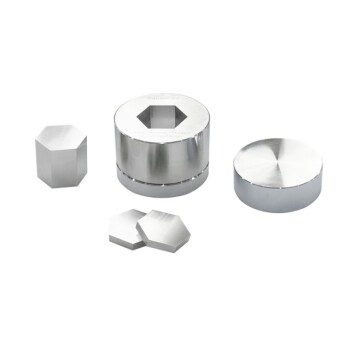
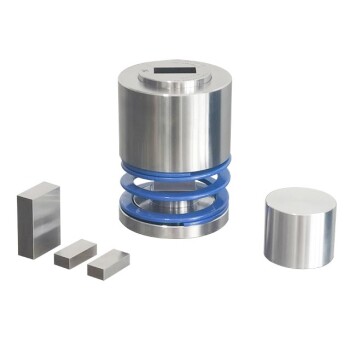
The stainless steel mold serves as the containment vessel that defines the physical dimensions of the sample. It is engineered to withstand high pressure without deforming, ensuring the L-proline powder is shaped into a precise disk, commonly 16mm in diameter.
The Mechanics of Compression
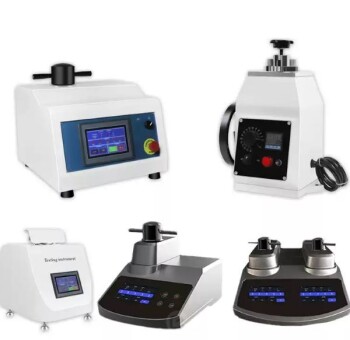
The mechanical press provides the necessary force to compact the powder. This pressure forces the particles together, reducing void space and creating a solid, cohesive unit out of what was originally loose material.
The Criticality of Surface Uniformity
Achieving Absolute Flatness
The most significant output of using a press and mold is the flatness of the resulting disk. In surface chemistry experiments, an uneven surface can lead to unpredictable reaction rates and inconsistent data.
Enabling Plasma Interaction
This preparation method is specifically designed to facilitate plasma treatment. A compacted disk provides a stable target for the plasma.
Preventing Interference
If loose powder were used instead of a pressed disk, the plasma stream would disturb the particles. This would cause plasma interference, disrupting the treatment process and ruining the consistency of the surface modification.
Understanding the Requirements
Necessity of High-Strength Materials
Not all molds are suitable for this task. The mold must be made of high-strength stainless steel to endure the compressive forces required to solidify L-proline without introducing metal fatigue or contaminants into the sample.
The Risk of Inadequate Compression
If the press does not apply sufficient force, the disk may remain too porous or fragile. A sample that is not fully compacted risks breaking apart during handling or "dusting" during the plasma phase, reintroducing the interference issues the process is meant to solve.
Making the Right Choice for Your Goal
To ensure your L-proline samples yield valid experimental data, focus on the following parameters:
- If your primary focus is Data Reproducibility: Prioritize the use of a mechanical press to create a uniform surface area, eliminating geometry as a variable in your analysis.
- If your primary focus is Plasma Treatment Stability: Ensure the stainless steel mold is capable of high-pressure compression to produce a solid disk that prevents loose powder interference.
The integrity of your final data is directly dependent on the mechanical stability of your initial sample.
Summary Table:
| Component | Primary Function | Impact on L-proline Sample |
|---|---|---|
| Stainless Steel Mold | Precision containment & shaping | Ensures 16mm diameter & defines physical geometry |
| Mechanical Press | High-pressure compaction | Eliminates void space to create a solid, cohesive disk |
| Polished Surface | Uniformity engineering | Provides absolute flatness to ensure consistent plasma reaction |
| High-Strength Steel | Structural integrity | Withstands compression forces without sample contamination |
Elevate Your Material Preparation with KINTEK Precision
Achieve uncompromising data reproducibility and sample stability with KINTEK’s advanced laboratory solutions. Whether you are conducting plasma treatment on L-proline or complex surface chemistry research, our high-performance hydraulic presses (pellet, hot, isostatic) and precision-engineered stainless steel molds ensure the uniform flatness your experiments demand.
Why Choose KINTEK?
- Comprehensive Range: From high-temperature furnaces and crushing systems to specialized high-temperature high-pressure reactors.
- Built for Research: Our PTFE products, ceramics, and crucibles are designed to withstand the most rigorous lab environments.
- Targeted Solutions: Expertly crafted equipment for battery research, cooling (ULT freezers), and homogenization.
Don't let loose powder interference compromise your results. Contact our experts today to find the perfect pressing solution for your laboratory!
References
- José Carlos Bianchi, Márcio Mafra. Influence of applied plasma power on degradation of L-proline in an inductively coupled RF plasma reactor. DOI: 10.1590/1517-7076-rmat-2022-48897
This article is also based on technical information from Kintek Solution Knowledge Base .
Related Products
- Anti-Cracking Press Mold for Lab Use
- Assemble Square Lab Press Mold for Laboratory Applications
- Special Shape Press Mold for Lab
- No Demolding Lab Infrared Press Mold for Laboratory Applications
- Carbide Lab Press Mold for Laboratory Applications
People Also Ask
- What is the press mould method? A Guide to Consistent, Detailed Ceramic Forms
- How to use a press mold? Master the Art of Creating Consistent Ceramic Forms
- What is the function of press molds during the preparation of SiCf/Ti-43Al-9V composites? Achieve Structural Precision
- What is a press mold used for? Achieve Repeatable Precision and Efficiency
- What is the purpose of specialized pressure devices in sulfide solid-state batteries? Ensure Chemo-Mechanical Stability