Knowledge What is the mechanism of pyrolysis decomposition? A Guide to Converting Waste into Valuable Products
Author avatar

Tech Team · Kintek Solution

Updated 6 days ago

What is the mechanism of pyrolysis decomposition? A Guide to Converting Waste into Valuable Products


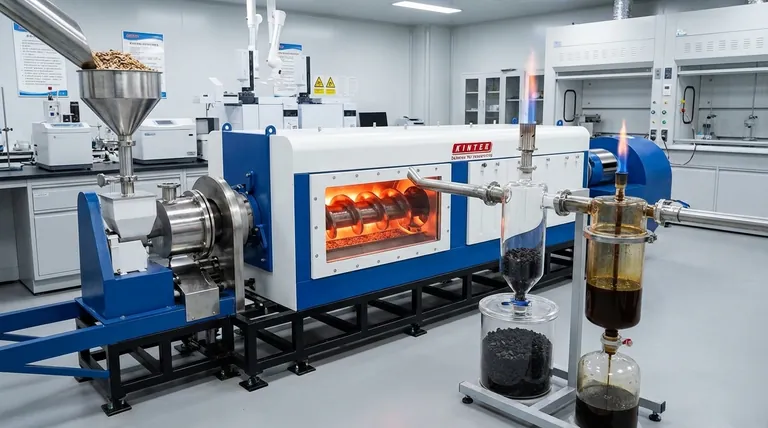
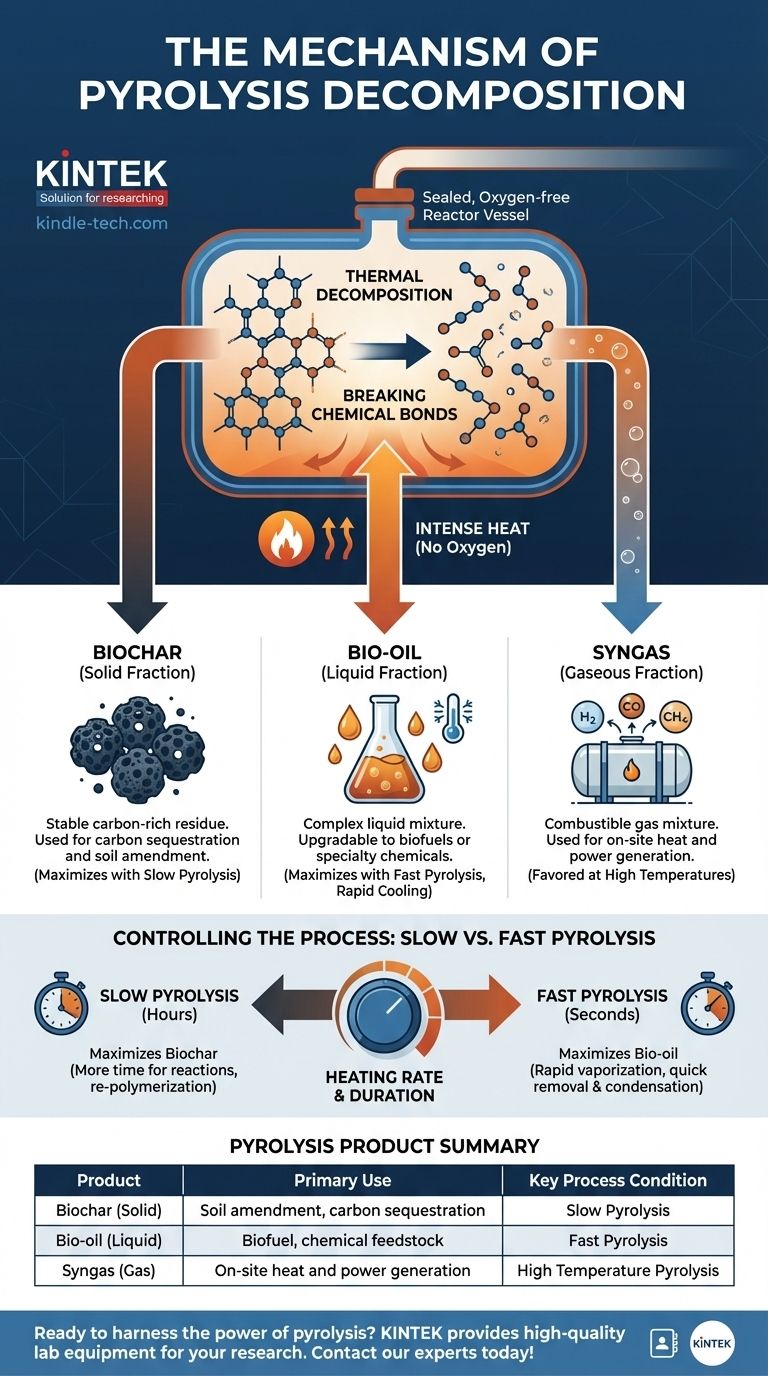
At its core, the mechanism of pyrolysis is the thermal decomposition of a material in a completely oxygen-free environment. Instead of burning, the intense heat provides the energy to break the chemical bonds within large, complex molecules, causing them to fracture into a mixture of smaller, simpler molecules in solid, liquid, and gaseous forms.

The essential mechanism of pyrolysis is not combustion but a controlled chemical separation. By applying heat without oxygen, you force large organic molecules to break apart, re-forming into a valuable suite of products: a solid carbon char, a liquid bio-oil, and a combustible syngas.
What is the mechanism of pyrolysis decomposition? A Guide to Converting Waste into Valuable Products

The Core Principle: Breaking Bonds Without Burning

Pyrolysis is a fundamental thermochemical process, distinguished by one critical condition: the absence of oxygen. This single factor changes the outcome from combustion (burning) to controlled decomposition.

The Role of Heat

Heat is the catalyst for the entire process. It provides the necessary activation energy to overcome the strength of the chemical bonds holding large polymer chains together in materials like biomass, plastics, or tires.

The Absence of Oxygen

This is the defining feature of pyrolysis. Without oxygen, the material cannot combust. Instead of reacting with oxygen to produce ash, carbon dioxide, and water, the molecules simply break down into smaller, often more valuable, volatile components and a stable carbon residue.

From Large Molecules to Smaller Fractions

The process begins as the material is heated. The long, complex molecular chains become unstable and begin to vibrate, eventually fracturing into smaller, more volatile molecules. These smaller molecules are released as vapors, leaving behind a solid, carbon-rich material known as biochar. The released vapors are then collected and cooled.

The Three Primary Products of Pyrolysis

The decomposition process results in three distinct product streams, the proportions of which can be controlled by adjusting the pyrolysis conditions.

Biochar (The Solid Fraction)

This is the stable, carbon-rich solid residue left behind after the volatile components have been driven off. It is essentially a form of charcoal and is prized for its ability to sequester carbon and improve soil quality.

Bio-oil (The Liquid Fraction)

When the hot vapor stream is rapidly cooled, it condenses into a liquid known as bio-oil or pyrolysis oil. This is a complex mixture of hundreds of different organic compounds and can be upgraded into transportation fuels or used as a source for specialty chemicals.

Syngas (The Gaseous Fraction)

Not all of the vapor can be condensed into a liquid. The remaining non-condensable gases, such as hydrogen, carbon monoxide, and methane, form a mixture called syngas. This gas is combustible and can be used to generate heat or electricity, often to power the pyrolysis process itself.

Understanding the Trade-offs: Slow vs. Fast Pyrolysis

The mechanism can be manipulated by controlling the heating rate and duration, which dramatically changes the final product distribution. This control is the key to tailoring pyrolysis for specific industrial applications.

Slow Pyrolysis: Maximizing Biochar

By heating the material slowly over several hours, the process favors the formation of a stable carbon structure. This gives volatile gases time to react and re-polymerize, maximizing the yield of solid biochar. This was the principle behind ancient charcoal production.

Fast Pyrolysis: Maximizing Bio-oil

By heating the material extremely quickly (in seconds), the large molecules are broken down and vaporized almost instantly. These vapors are then rapidly removed from the hot zone and condensed before they have a chance to undergo secondary reactions, maximizing the yield of liquid bio-oil (up to 60%).

Matching the Mechanism to Your Goal

Understanding the relationship between process conditions and the resulting products is essential for applying pyrolysis effectively. Your primary objective will determine the ideal operational parameters.

  • If your primary focus is carbon sequestration or soil amendment: Employ slow pyrolysis to maximize the production of stable, carbon-rich biochar.
  • If your primary focus is producing liquid biofuels or chemical feedstocks: Utilize fast pyrolysis to maximize the yield of condensable bio-oil.
  • If your primary focus is generating a combustible fuel gas on-site: Tune the process to higher temperatures to favor thermal cracking and increase the output of syngas.

By controlling the fundamental mechanism of heat transfer in an oxygen-free environment, you can precisely dictate the transformation of low-value materials into high-value products.

Summary Table:

Pyrolysis Product Primary Use Key Process Condition
Biochar (Solid) Soil amendment, carbon sequestration Slow Pyrolysis
Bio-oil (Liquid) Biofuel, chemical feedstock Fast Pyrolysis
Syngas (Gas) On-site heat and power generation High Temperature Pyrolysis

Ready to harness the power of pyrolysis in your lab or operation?

KINTEK specializes in high-quality lab equipment and consumables for pyrolysis research and analysis. Whether you are developing new biofuels, studying carbon sequestration with biochar, or optimizing process conditions, our reliable equipment is designed to support your innovative work.

Contact our experts today to discuss how KINTEK's solutions can help you achieve precise and efficient pyrolysis results.

Visual Guide
What is the mechanism of pyrolysis decomposition? A Guide to Converting Waste into Valuable Products Visual Guide

Related Products

People Also Ask

Related Products

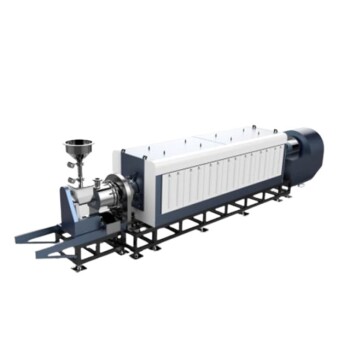
Electric Rotary Kiln Small Rotary Furnace Biomass Pyrolysis Plant

Electric Rotary Kiln Small Rotary Furnace Biomass Pyrolysis Plant

Learn about Rotary Biomass Pyrolysis Furnaces & how they decompose organic material at high temps without oxygen. Use for biofuels, waste processing, chemicals & more.

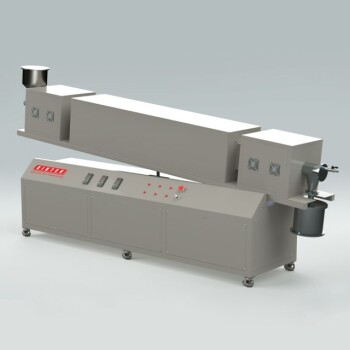
Vacuum Sealed Continuous Working Rotary Tube Furnace Rotating Tube Furnace

Vacuum Sealed Continuous Working Rotary Tube Furnace Rotating Tube Furnace

Experience efficient material processing with our vacuum-sealed rotary tube furnace. Perfect for experiments or industrial production, equipped with optional features for controlled feeding and optimized results. Order now.

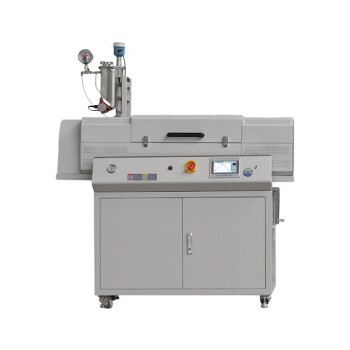
Laboratory Vacuum Tilt Rotary Tube Furnace Rotating Tube Furnace

Laboratory Vacuum Tilt Rotary Tube Furnace Rotating Tube Furnace

Discover the versatility of Laboratory Rotary Furnace: Ideal for calcination, drying, sintering, and high-temperature reactions. Adjustable rotating and tilting functions for optimal heating. Suitable for vacuum and controlled atmosphere environments. Learn more now!

Customer Made Versatile CVD Tube Furnace Chemical Vapor Deposition Chamber System Equipment

Customer Made Versatile CVD Tube Furnace Chemical Vapor Deposition Chamber System Equipment

Get your exclusive CVD furnace with KT-CTF16 Customer Made Versatile Furnace. Customizable sliding, rotating, and tilting functions for precise reactions. Order now!

High Temperature Muffle Oven Furnace for Laboratory Debinding and Pre Sintering

High Temperature Muffle Oven Furnace for Laboratory Debinding and Pre Sintering

KT-MD High temperature debinding and pre-sintering furnace for ceramic materials with various molding processes. Ideal for electronic components such as MLCC and NFC.

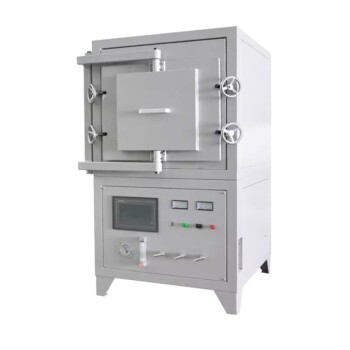
1200℃ Controlled Atmosphere Furnace Nitrogen Inert Atmosphere Furnace

1200℃ Controlled Atmosphere Furnace Nitrogen Inert Atmosphere Furnace

Discover our KT-12A Pro Controlled atmosphere furnace - high precision, heavy duty vacuum chamber, versatile smart touch screen controller, and excellent temperature uniformity up to 1200C. Ideal for both laboratory and industrial application.

Vacuum Heat Treat Furnace and Levitation Induction Melting Furnace

Vacuum Heat Treat Furnace and Levitation Induction Melting Furnace

Experience precise melting with our Vacuum Levitation Melting Furnace. Ideal for high melting point metals or alloys, with advanced technology for effective smelting. Order now for high-quality results.

1400℃ Muffle Oven Furnace for Laboratory

1400℃ Muffle Oven Furnace for Laboratory

Get precise high-temperature control up to 1500℃ with KT-14M Muffle furnace. Equipped with a smart touch screen controller and advanced insulation materials.

600T Vacuum Induction Hot Press Furnace for Heat Treat and Sintering

600T Vacuum Induction Hot Press Furnace for Heat Treat and Sintering

Discover the 600T Vacuum Induction Hot Press Furnace, designed for high-temperature sintering experiments in vacuum or protected atmospheres. Its precise temperature and pressure control, adjustable working pressure, and advanced safety features make it ideal for nonmetal materials, carbon composites, ceramics, and metal powders.

High Pressure Laboratory Autoclave Reactor for Hydrothermal Synthesis

High Pressure Laboratory Autoclave Reactor for Hydrothermal Synthesis

Discover the applications of Hydrothermal Synthesis Reactor - a small, corrosion-resistant reactor for chemical labs. Achieve rapid digestion of insoluble substances in a safe and reliable way. Learn more now.

Vacuum Heat Treat and Molybdenum Wire Sintering Furnace for Vacuum Sintering

Vacuum Heat Treat and Molybdenum Wire Sintering Furnace for Vacuum Sintering

A vacuum molybdenum wire sintering furnace is a vertical or bedroom structure, which is suitable for withdrawal, brazing, sintering and degassing of metal materials under high vacuum and high temperature conditions. It is also suitable for dehydroxylation treatment of quartz materials.

Molybdenum Vacuum Heat Treat Furnace

Molybdenum Vacuum Heat Treat Furnace

Discover the benefits of a high-configuration molybdenum vacuum furnace with heat shield insulation. Ideal for high-purity, vacuum environments like sapphire crystal growth and heat treatment.

Customizable High Pressure Reactors for Advanced Scientific and Industrial Applications

Customizable High Pressure Reactors for Advanced Scientific and Industrial Applications

This laboratory-scale high-pressure reactor is a high-performance autoclave engineered for precision and safety in demanding research and development environments.

Mini SS High Pressure Autoclave Reactor for Laboratory Use

Mini SS High Pressure Autoclave Reactor for Laboratory Use

Mini SS High Pressure Reactor - Ideal for medicine, chemical, and scientific research industries. Programmed heating temp and stirring speed, up to 22Mpa pressure.

Stainless High Pressure Autoclave Reactor Laboratory Pressure Reactor

Stainless High Pressure Autoclave Reactor Laboratory Pressure Reactor

Discover the versatility of Stainless High Pressure Reactor - a safe and reliable solution for direct and indirect heating. Built with stainless steel, it can withstand high temperatures and pressures. Learn more now.

Vacuum Hot Press Furnace Machine for Lamination and Heating

Vacuum Hot Press Furnace Machine for Lamination and Heating

Experience clean and precise lamination with Vacuum Lamination Press. Perfect for wafer bonding, thin-film transformations, and LCP lamination. Order now!

Inclined Rotary Plasma Enhanced Chemical Vapor Deposition PECVD Equipment Tube Furnace Machine

Inclined Rotary Plasma Enhanced Chemical Vapor Deposition PECVD Equipment Tube Furnace Machine

Upgrade your coating process with PECVD coating equipment. Ideal for LED, power semiconductors, MEMS and more. Deposits high-quality solid films at low temps.

Electrolytic Electrochemical Cell Gas Diffusion Liquid Flow Reaction Cell

Electrolytic Electrochemical Cell Gas Diffusion Liquid Flow Reaction Cell

Looking for a high-quality gas diffusion electrolysis cell? Our liquid flow reaction cell boasts exceptional corrosion resistance and complete specifications, with customizable options available to suit your needs. Contact us today!

Optical Water Bath Electrolytic Electrochemical Cell

Optical Water Bath Electrolytic Electrochemical Cell

Upgrade your electrolytic experiments with our Optical Water Bath. With controllable temperature and excellent corrosion resistance, it's customizable for your specific needs. Discover our complete specifications today.

Microwave Plasma Chemical Vapor Deposition MPCVD Machine System Reactor for Lab and Diamond Growth

Microwave Plasma Chemical Vapor Deposition MPCVD Machine System Reactor for Lab and Diamond Growth

Get high-quality diamond films with our Bell-jar Resonator MPCVD machine designed for lab and diamond growth. Discover how Microwave Plasma Chemical Vapor Deposition works for growing diamonds using carbon gas and plasma.


Leave Your Message