To calculate the electricity cost for a melting process, you must follow a linear two-step method that converts physical mass into energy demand, and then into financial cost. The process involves multiplying the specific power consumption per unit of mass by the total mass to find the aggregate energy required, and then applying your utility rate to that figure.
To determine the final expense, calculate the total energy volume (kWh) by multiplying the power consumption per ton by the total tonnage, then multiply that result by your utility rate. The definitive formula is: Electricity Cost = Total Required kWh × Cost per kWh.
Breaking Down the Calculation Logic
Step 1: Determining Total Energy Demand
The foundation of the cost calculation is understanding the aggregate energy required for the specific job.
You must first identify the power consumption per ton specific to your equipment and material.
Multiply this consumption rate by the number of tons to be melted.
The result of this calculation is the Total Required kWh, which represents the raw energy volume necessary to complete the process.
Step 2: Applying the Financial Metric
Once the physical energy requirement is established, you must apply the economic variable.
Take the Total Required kWh derived in Step 1 and multiply it by the Cost per kWh.
This final figure provides the specific Electricity Cost for the melting process in question.
Factors Influencing Accuracy
Precision of Consumption Rates
The reliability of your final cost figure is heavily dependent on the accuracy of the power consumption per ton variable.
If this figure is an estimate rather than a measured operational metric, the final cost calculation will only be an approximation.
Variability in Utility Rates
The Cost per kWh is the multiplier that translates energy usage into currency.
It is critical to ensure the rate used in the formula reflects the actual rate applicable during the time of operation, as industrial rates often vary.
Making the Right Choice for Your Goal
Optimizing Your Cost Analysis
- If your primary focus is accurate budgeting: Ensure your "power consumption per ton" figure is based on actual historical data rather than theoretical equipment ratings.
- If your primary focus is cost reduction: Use this formula to simulate how small reductions in "Total Required kWh" or shifts to lower "Cost per kWh" times effect the bottom line.
By isolating the variables of tonnage, consumption efficiency, and utility rate, you gain total control over predicting your operational expenses.
Summary Table:
| Step | Calculation Stage | Input Variables | Formula / Result |
|---|---|---|---|
| 1 | Energy Demand | Consumption per Ton & Total Mass | Total Required kWh |
| 2 | Financial Cost | Total kWh & Utility Rate | Electricity Cost |
| Note | Accuracy Factors | Equipment Efficiency & Rate Fluctuations | Final Budget Forecast |
Maximize Your Lab’s Efficiency with KINTEK
Managing operational costs starts with high-performance equipment. KINTEK specializes in advanced thermal solutions, offering a comprehensive range of high-temperature induction melting furnaces, rotary furnaces, and muffle furnaces designed for peak energy efficiency.
Whether you are refining battery research tools, optimizing high-pressure reactors, or streamlining crushing and milling systems, our precision-engineered laboratory equipment ensures you get the most out of every kWh.
Ready to reduce your overhead and upgrade your lab? Contact KINTEK today for expert guidance and tailor-made solutions
Related Products
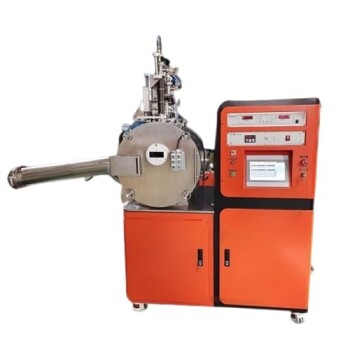
- Vacuum Induction Melting Spinning System Arc Melting Furnace
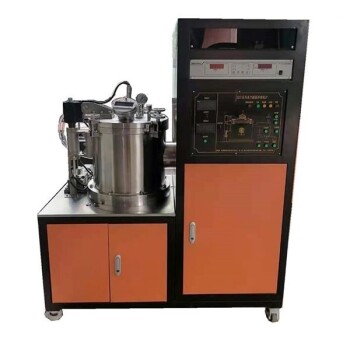
- Lab-Scale Vacuum Induction Melting Furnace
- Vacuum Heat Treat Furnace and Levitation Induction Melting Furnace
- Vacuum Arc Induction Melting Furnace
- Non Consumable Vacuum Arc Induction Melting Furnace
People Also Ask
- What are the advantages of a vacuum induction melting furnace? Achieve High-Purity Alloys with Precision VIM
- Why use VIM for rare earth steel? Essential Precision for Melting Reactive Lanthanum and Cerium
- What is the primary function of a vacuum induction melting furnace in Ni-Mo-Cr-Fe master alloy prep? Ensure High Purity
- What is the function of a vacuum induction melting furnace? Essential Guide for High-Purity FeCrAl Alloy Production
- What types of metals are typically processed in a vacuum induction melting furnace? High-Purity Alloys for Critical Applications