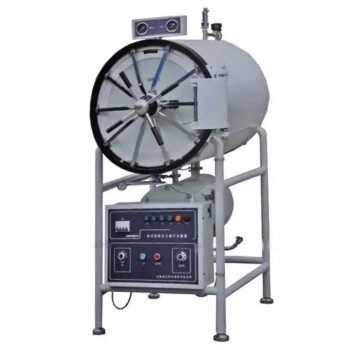
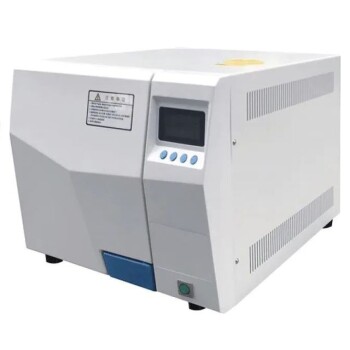
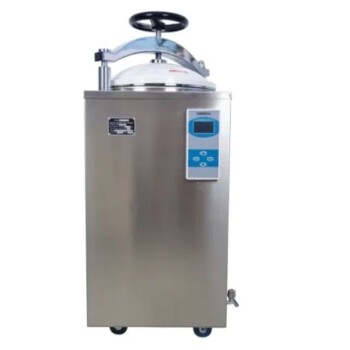
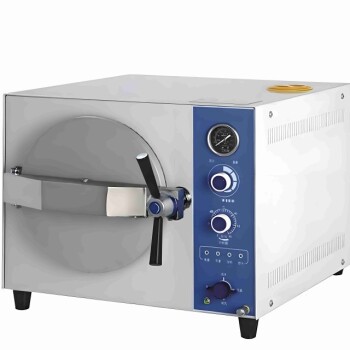
The primary function of an autoclave system in this context is to create a precisely controlled experimental environment that replicates the extreme hydrothermal conditions of a Boiling Water Reactor (BWR). By maintaining specific high-temperature and high-pressure parameters, the system serves as a critical platform for testing the durability and performance of Silicon Carbide (SiC) coatings.
The autoclave functions as a specialized simulation chamber, holding water at 288°C and 13 MPa. This allows researchers to accurately predict how SiC coatings will resist dissolution and oxidation under realistic service conditions before actual deployment.
Simulating the Reactor Environment
Replicating Extreme Parameters
To simulate a BWR environment effectively, the autoclave must achieve and sustain specific physical conditions.
It maintains water temperatures at 288°C and pressures at 13 MPa.
The Importance of Precision
The system provides a precisely controlled environment rather than a fluctuating one.
This stability is essential for mimicking the static hydrothermal conditions found inside a nuclear reactor.
Evaluating Material Performance
Testing Dissolution Resistance
One of the core objectives of the autoclave test is to evaluate the material's structural integrity in water.
Specifically, it measures the SiC coating's resistance to dissolution over time.
Assessing Oxidation Behavior
Simultaneously, the high-temperature environment tests the chemical stability of the coating.
Researchers use this platform to determine the material's oxidation resistance under realistic thermal stress.
Critical Considerations for Accuracy
Dependence on Realistic Conditions
The validity of any corrosion research in this field relies entirely on the autoclave's ability to match service conditions.
If the system cannot maintain realistic service conditions (specifically 288°C and 13 MPa), the resulting data regarding coating life is rendered unreliable.
The Scope of Evaluation
The autoclave is designed specifically to isolate hydrothermal effects.
It focuses on hydrothermal corrosion, specifically targeting dissolution and oxidation mechanisms rather than mechanical wear or radiation damage alone.
How to Apply This to Your Project
To ensure your research yields valid data regarding SiC coating viability, consider the following based on your specific objectives:
- If your primary focus is environmental fidelity: Ensure your autoclave system is calibrated to strictly maintain 288°C and 13 MPa, as deviations compromise the simulation of BWR conditions.
- If your primary focus is material durability: Prioritize the evaluation of dissolution and oxidation resistance metrics, as these are the critical failure modes identified by this testing method.
The autoclave is not just a heating vessel; it is the standard for validating whether a coating can survive the harsh reality of a nuclear core.
Summary Table:
| Parameter | Target Value | Research Significance |
|---|---|---|
| Temperature | 288°C | Replicates Boiling Water Reactor (BWR) thermal conditions |
| Pressure | 13 MPa | Maintains liquid phase and simulates reactor vessel stress |
| Corrosion Focus | Dissolution & Oxidation | Evaluates chemical stability and material loss over time |
| System Role | Simulation Chamber | Provides a stable, controlled platform for material validation |
Elevate Your Material Research with KINTEK Precision
Ensure the integrity of your nuclear and high-temperature studies with KINTEK’s industry-leading laboratory solutions. We specialize in high-temperature high-pressure reactors and autoclaves specifically engineered to maintain the rigorous 288°C and 13 MPa standards required for BWR simulations.
Whether you are testing SiC coatings or developing next-generation ceramics, our comprehensive range—including high-temperature furnaces, crushing systems, and advanced consumables like crucibles and PTFE products—provides the reliability your data demands.
Ready to achieve superior experimental accuracy? Contact our technical experts today to find the perfect system for your laboratory's needs.
References
- Stephen S. Raiman, Kurt A. Terrani. Hydrothermal Corrosion of Coatings on Silicon Carbide in Boiling Water Reactor Conditions. DOI: 10.5006/2997
This article is also based on technical information from Kintek Solution Knowledge Base .
Related Products
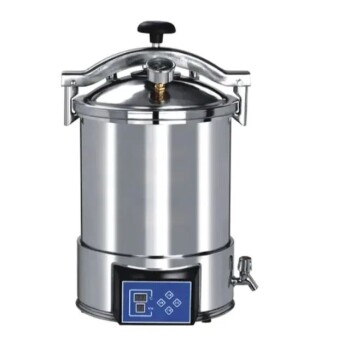
- Portable High Pressure Laboratory Autoclave Steam Sterilizer for Lab Use
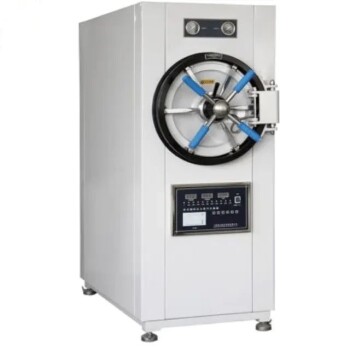
- Laboratory Horizontal Autoclave Steam Sterilizer Lab Microcomputer Sterilizer
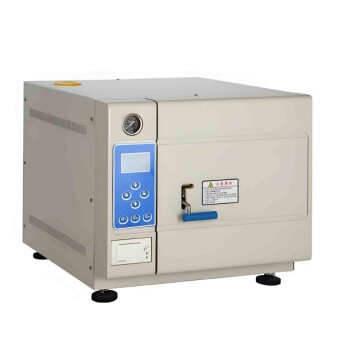
- Desktop Fast High Pressure Laboratory Autoclave Sterilizer 16L 24L for Lab Use
- Portable Digital Display Automatic Laboratory Sterilizer Lab Autoclave for Sterilization Pressure
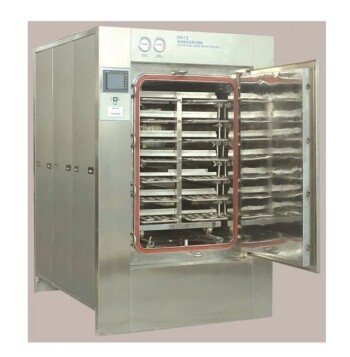
- Desktop Fast Laboratory Autoclave Sterilizer 35L 50L 90L for Lab Use
People Also Ask
- Why is a laboratory high-pressure autoclave sterilizer necessary? Ensure Accuracy in Antibacterial Research
- What is the role of a laboratory high-pressure autoclave in the conversion of furfural to piperidine? Optimize Yields
- What are the two types of autoclave used in the laboratory? Gravity vs. Pre-Vacuum Explained
- What precautions should be taken during autoclave in laboratory? A Complete Safety Guide to Prevent Burns and Explosions
- What extreme conditions does a laboratory autoclave simulate? Testing Wear Resistance of Nuclear Fuel Cladding