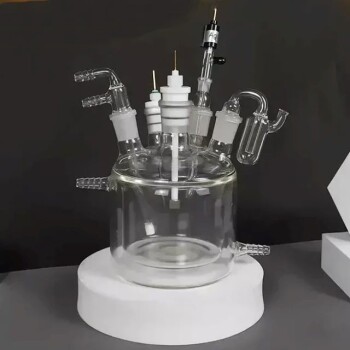
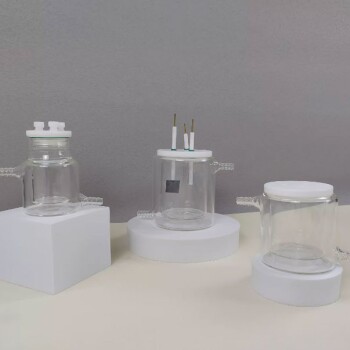
To properly clean the cell after an experiment using a conventional aqueous solution, you must prioritize immediate action to prevent contamination. Turn off the electrochemical workstation, remove the electrodes and electrolyte, then immediately rinse the cell three times with deionized water and blow-dry the interior with nitrogen.
Core Takeaway The integrity of your next experiment depends on the speed of your cleaning process today. Immediate rinsing prevents the solidification of residues, while nitrogen drying eliminates the risk of water stains that could alter future electrochemical baselines.
Executing the Cleaning Protocol
Shutdown and Disassembly
Begin by turning off the electrochemical workstation to ensure the system is safe and stable.
Once the power is cut, pour out the used electrolyte and carefully remove the electrodes from the cell.
The Critical Rinsing Step
Immediately rinse the interior of the cell three times with deionized water.
Speed is essential here; you must introduce the water before any residual electrolyte has a chance to dry.
This triple-rinse method is designed specifically to flush out contaminants before they can solidify on the cell walls.
The Drying Procedure
After rinsing, use nitrogen gas to thoroughly blow-dry the interior of the cell.
This step is mandatory to avoid water stains, which are frequently caused by allowing water to evaporate naturally.
Common Pitfalls to Avoid
The Risk of Delayed Action
If you allow the cell to sit before rinsing, dissolved salts from the aqueous solution will begin to crystallize.
Once residues solidify, they adhere to the glass and become significantly more difficult to remove, often requiring aggressive solvents that introduce new variables.
The Issue with Air Drying
Avoid letting the cell air dry, even if it looks clean.
Evaporation often leaves behind microscopic mineral deposits or "water stains" that can create uneven surfaces or introduce resistance in future experiments.
Making the Right Choice for Your Goal
Consistent maintenance is the variable you can control in an often unpredictable experimental environment.
- If your primary focus is data reproducibility: Diligently use nitrogen for drying to ensure the cell surface remains chemically neutral and free of mineral interference.
- If your primary focus is equipment longevity: Prioritize the "immediate" aspect of the rinse to prevent abrasive salt crystals from forming on the cell walls.
Treat the cleaning process not as a chore, but as the foundational first step of your next successful experiment.
Summary Table:
| Step | Action Required | Key Purpose |
|---|---|---|
| 1. Disassembly | Power off workstation & remove electrodes | Safety and access to cell interior |
| 2. Triple Rinse | Rinse 3x with deionized water immediately | Prevents salt crystallization and residue |
| 3. Drying | Blow-dry with nitrogen gas | Eliminates water stains and mineral deposits |
| Avoid | Air drying or delayed cleaning | Protects data reproducibility and cell life |
Elevate Your Electrochemical Research with KINTEK
Don't let contamination compromise your experimental results. At KINTEK, we understand that high-precision research requires high-quality tools. Whether you need advanced electrolytic cells and electrodes, specialized battery research tools, or high-performance cooling solutions like cold traps and freeze dryers, our team is here to support your lab's success.
From high-temperature furnaces to durable PTFE and ceramic consumables, we provide the comprehensive equipment needed for reliable data and equipment longevity. Contact us today to optimize your laboratory setup!
Related Products
- H-Type Double-Layer Optical Electrolytic Electrochemical Cell with Water Bath
- Electrolytic Electrochemical Cell for Coating Evaluation
- PTFE Electrolytic Cell Electrochemical Cell Corrosion-Resistant Sealed and Non-Sealed
- Electrolytic Electrochemical Cell with Five-Port
- Side Window Optical Electrolytic Electrochemical Cell
People Also Ask
- What is the overall structure of the H-type double-layer optical water bath electrolytic cell? Precision Design for Controlled Experiments
- How is the electrolyte managed in H-type electrolytic cells for specific reactions? Achieve Precise Control and High Purity
- What checks should be performed on the H-type electrolytic cell before use? Ensure Accurate Electrochemical Data
- What is important regarding temperature control for the H-type electrolytic cell? Ensure Precision and Data Integrity
- What is the overall structure of the H-type electrolytic cell? Understanding Dual-Chamber Electrochemical Designs