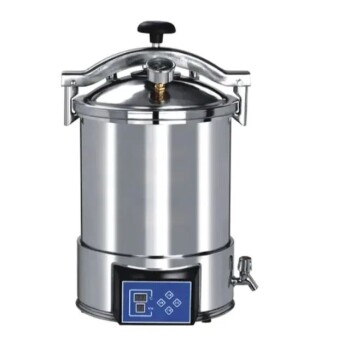
The primary purpose of a high-temperature high-pressure steam oxidation experimental apparatus is to rigorously evaluate how zirconium dioxide coatings perform under simulated nuclear reactor conditions. By controlling steam flow and pressure, this equipment replicates environments ranging from normal operations (above 300°C) to severe accident scenarios (up to 1200°C) to verify the coating's protective capabilities.
Core Takeaway The apparatus serves as a critical validation tool for nuclear safety materials. Its main function is to confirm that a coating can effectively act as an oxygen diffusion barrier, thereby preventing the dangerous hydrogen production and heat release associated with zirconium alloy oxidation.
Simulating Reactor Environments
To ensure materials are safe for use in light water reactors, researchers must test them across a full spectrum of thermal conditions.
Replicating Normal Operations
The apparatus is designed to sustain a baseline environment consistent with routine reactor functionality.
It maintains temperatures above 300°C, allowing engineers to observe the coating's stability and behavior under standard, long-term operating stresses.
Modeling Accident Conditions
The critical value of this apparatus lies in its ability to push conditions to extremes.
It can simulate the high-pressure steam environment of a loss-of-coolant accident, reaching temperatures up to 1200°C. This stress-testing is vital for determining if the coating will fail during a catastrophic event.
Evaluating Protective Mechanisms
Beyond simple temperature resistance, the apparatus is used to measure specific chemical behaviors of the coating.
Testing the Oxygen Barrier
The central metric for these coatings is their ability to stop oxygen from penetrating the surface.
The apparatus measures how effectively the zirconium dioxide coating acts as a diffusion barrier, preventing oxygen in the steam from reaching the underlying metal.
Inhibiting Hydrogen Production
When zirconium alloys react with water vapor at high temperatures, they typically generate hydrogen gas—a significant safety hazard.
This equipment verifies whether the coating successfully suppresses this reaction, reducing the risk of hydrogen accumulation and potential combustion.
Preventing Exothermic Reactions
Zirconium oxidation is an exothermic reaction, meaning it releases heat that can accelerate core meltdown.
By testing the coating in this controlled environment, researchers can quantify its ability to inhibit this heat release, adding a layer of thermal safety to the reactor system.
Understanding the Operational Trade-offs
While this apparatus allows for precise environmental control, it introduces specific complexities that must be managed to ensure data validity.
The Complexity of Controlled Flow
Unlike static heat tests, this apparatus relies on controlled steam flow and pressure regulation.
This dynamic nature is required to mimic real-world reactor coolant flow, but it adds variables that must be strictly monitored to prevent data skewing.
Specificity of the Simulation
The apparatus is highly specialized for steam oxidation.
It is specifically optimized for measuring zirconium-water reactions, making it the definitive tool for this specific chemical interaction but less applicable to general mechanical stress testing.
Making the Right Choice for Your Goal
Depending on the stage of your materials research, your focus within the experimental data will differ.
- If your primary focus is Routine Reliability: Prioritize data gathered at the >300°C range to ensure the coating maintains integrity during standard, long-duration exposure.
- If your primary focus is Accident Tolerance: Scrutinize the results at 1200°C, specifically looking for minimal hydrogen generation as the key success indicator.
Use this apparatus to prove that your coating converts a reactive metal surface into a stable, passive safety system.
Summary Table:
| Feature | Normal Operation Simulation | Accident Scenario Simulation |
|---|---|---|
| Temperature Range | >300°C | Up to 1200°C |
| Pressure Conditions | Standard Reactor Pressure | High-Pressure Steam (LOCA) |
| Key Metric | Long-term Stability | Hydrogen Suppression & Heat Control |
| Safety Goal | Protective Barrier Integrity | Prevention of Exothermic Meltdown |
Elevate Your Material Safety Research with KINTEK
Validation of nuclear-grade materials requires precision and reliability. KINTEK specializes in high-performance laboratory solutions designed for the most demanding environments. Whether you are testing zirconium dioxide coatings in our advanced high-temperature high-pressure reactors and autoclaves or exploring material limits with our high-temperature furnaces (CVD, Vacuum, Atmosphere), we provide the tools necessary to ensure nuclear safety and accident tolerance.
Our Expertise Includes:
- High-Pressure Reactors & Autoclaves: For precise steam oxidation and corrosion studies.
- Advanced Furnaces: Muffle, Tube, and CVD systems for extreme thermal testing.
- Material Processing: High-purity ceramics, crucibles, and precision hydraulic presses.
Ensure your research meets the highest safety standards. Contact KINTEK today to discuss our customized equipment solutions for your laboratory's needs.
References
- Barbora Benešová, Radek Škoda. Zirconium Dioxide as a Protective Layer of Zirconium Fuel Cladding. DOI: 10.1115/icone22-30848
This article is also based on technical information from Kintek Solution Knowledge Base .
Related Products
- Customizable Laboratory High Temperature High Pressure Reactors for Diverse Scientific Applications
- Laboratory High Pressure Steam Sterilizer Vertical Autoclave for Lab Department
- Portable High Pressure Laboratory Autoclave Steam Sterilizer for Lab Use
- Desktop Fast High Pressure Laboratory Autoclave Sterilizer 16L 24L for Lab Use
- Mini SS High Pressure Autoclave Reactor for Laboratory Use
People Also Ask
- How do high-pressure and high-temperature reactors ensure the effective treatment of lignocellulosic wastewater in WAO?
- What equipment is required for high-pressure high-temperature reactions? Master Extreme Chemistry Safely
- How do you control high pressure in a reactor? A Guide to Safe & Stable Operation
- Why is argon better than nitrogen for inert atmosphere? Ensure Absolute Reactivity & Stability
- How does initial oxygen pressure affect the wet oxidation of pharmaceutical sludge? Master Your Oxidation Depth