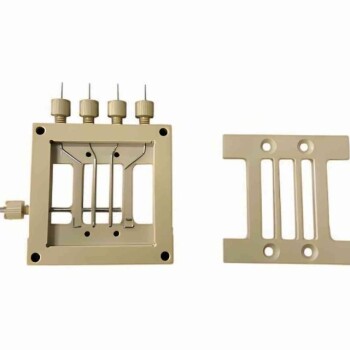
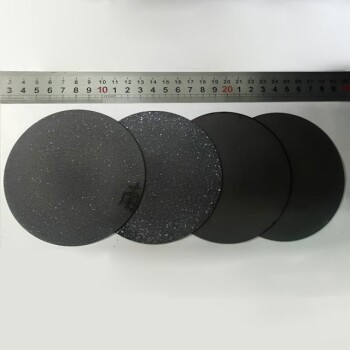
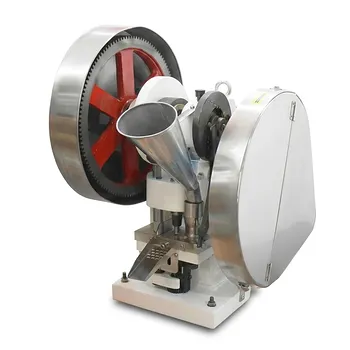
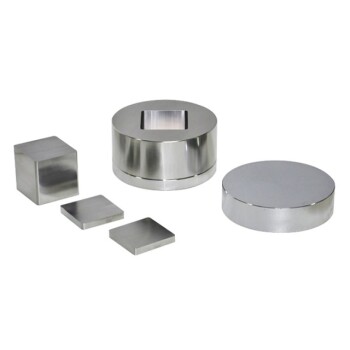
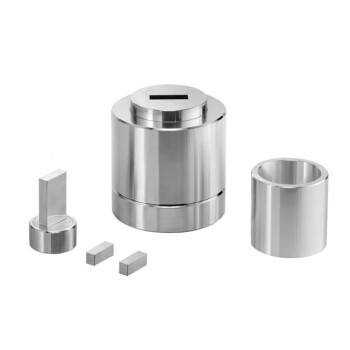
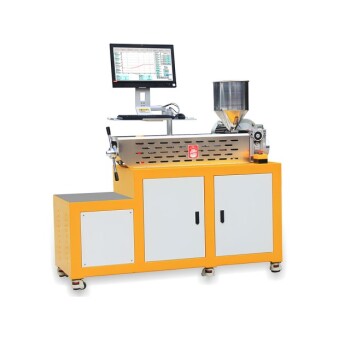
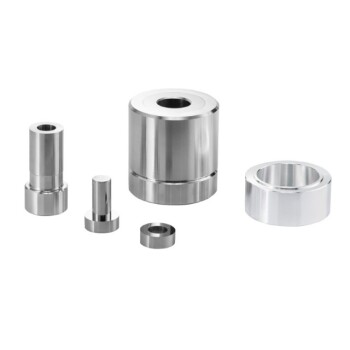
A high-pressure powder conductivity test system functions as a critical validation tool for assessing the electron transport efficiency of catalyst support materials, such as Antimony-doped Tin Oxide (ATO). By applying extreme mechanical pressure (up to 226 MPa) using high-precision sensors and electrode fixtures, this system simulates the dense particle contact found within actual electrode stacks, measuring how resistance and sample thickness evolve under operating loads.
Core Insight: Conductivity in powder materials is not static; it is heavily dependent on compaction. This testing system bridges the gap between theoretical material properties and real-world performance by proving how a catalyst support conducts electricity when compressed into a dense, functional layer.
Simulating Real-World Operating Conditions
Replicating Electrode Stack Pressure
In a functioning hydrogen electrolysis system, materials do not exist as loose powders. They are compressed into pressed pellets or tightly packed electrode layers.
To evaluate a material's viability, the test system applies immense pressure—specifically up to 226 MPa. This forces the powder particles into the same close-contact arrangement they will experience in a commercial stack.
Overcoming Contact Resistance
Loose powders naturally have high contact resistance because of the air gaps between particles.
By utilizing high-precision electrode fixtures, the system eliminates these gaps. It provides an objective look at how well electrons move through the material once the physical barriers of "fluffiness" are removed.
Key Metrics for Evaluation
Resistance vs. Pressure Profiling
The system does not just provide a single data point. It measures resistance values across a range of pressures.
This allows engineers to map the material's performance curve. You can identify exactly how much pressure is required to achieve peak conductivity for materials like ATO.
Thickness and Compaction Monitoring
Conductivity is calculated based on geometry, not just raw resistance.
The system simultaneously measures the sample thickness as it compresses. By correlating the changing thickness with resistance data, you get a precise picture of the material's resistivity relative to its volume under load.
Understanding the Trade-offs
Mechanical vs. Electrochemical
It is important to remember that this test focuses strictly on electron transport efficiency and mechanical compaction.
It simulates the physical environment (pressure) but not the chemical environment. It does not measure catalytic activity or how the material interacts with the electrolyte during the reaction.
The "Ideal" Environment
The test creates an idealized mechanical environment with uniform pressure distribution.
In actual stack assembly, pressure distribution may be uneven. Therefore, the values obtained from this system represents the material's "best case" mechanical capability, which serves as a baseline for quality control.
Making the Right Choice for Your Goal
When interpreting data from a high-pressure conductivity test, tailor your focus to your specific engineering objective:
- If your primary focus is Material Selection: Prioritize materials that show a sharp decrease in resistance at lower pressures, indicating they do not require excessive clamping force to conduct well.
- If your primary focus is Stack Design: Analyze the sample thickness data at 226 MPa to determine the precise volume your catalyst layer will occupy when fully assembled.
Ultimately, this system transforms loose powder data into a predictive model for stack performance.
Summary Table:
| Feature | Specification/Benefit |
|---|---|
| Max Applied Pressure | Up to 226 MPa |
| Primary Metrics | Resistance, Resistivity, Sample Thickness, Compaction Density |
| Core Function | Simulates particle contact in dense electrode stacks |
| Key Application | Evaluating electron transport efficiency in catalyst supports (e.g., ATO) |
| Data Output | Resistance vs. Pressure profiles for material benchmarking |
Elevate Your Hydrogen Research with KINTEK Precision
Maximize the efficiency of your hydrogen electrolysis stacks by accurately characterizing your catalyst support materials. KINTEK provides state-of-the-art laboratory solutions tailored for advanced material science, including specialized hydraulic presses (pellet, hot, isostatic) and high-precision testing equipment perfect for conductivity profiling.
Our extensive portfolio also includes high-temperature high-pressure reactors and autoclaves, electrolytic cells and electrodes, and a full range of battery research tools designed to push the boundaries of renewable energy technology. From PTFE products and ceramics to sophisticated crushing and milling systems, we provide the tools you need for reliable, repeatable results.
Ready to transform your loose powder data into predictive performance models? Contact our technical experts today to find the perfect equipment for your laboratory.
References
- Julia Melke, Christian Kallesøe. Recycalyse – New Sustainable and Recyclable Catalytic Materials for Proton Exchange Membrane Electrolysers. DOI: 10.1002/cite.202300143
This article is also based on technical information from Kintek Solution Knowledge Base .
Related Products
- Round Bidirectional Press Mold for Lab
- Custom Ion Conductivity Test Fixtures for Fuel Cell Research
- Lab Infrared Press Mold
- Laboratory CVD Boron Doped Diamond Materials
- Customizable High Pressure Reactors for Advanced Scientific and Industrial Applications
People Also Ask
- How to use a press mold? Master the Art of Creating Consistent Ceramic Forms
- What is the press mould method? A Guide to Consistent, Detailed Ceramic Forms
- What is the function of press molds during the preparation of SiCf/Ti-43Al-9V composites? Achieve Structural Precision
- What is a press mold used for? Achieve Repeatable Precision and Efficiency
- What is the purpose of specialized pressure devices in sulfide solid-state batteries? Ensure Chemo-Mechanical Stability