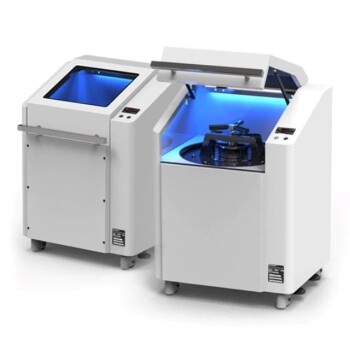
Mechanical crushing serves as the essential physical gateway for unlocking the energy potential of Salix biomass. By utilizing physical cutting to reduce the size of lignified wood particles, this equipment drastically increases the specific surface area available for microbial activity, which is the prerequisite for effective anaerobic digestion.
Core Takeaway The tough, woody structure of Salix naturally resists degradation; mechanical crushing overcomes this by physically disrupting the lignocellulosic matrix. This increases the accessible surface area for enzymes, directly accelerating hydrolysis and improving the overall conversion efficiency of the biomass.
The Physical Mechanism of Pretreatment
Increasing Specific Surface Area
The primary function of mechanical crushing is to reduce the physical dimensions of the biomass. Equipment such as grinders or crushers breaks down the Salix into smaller, specific particle sizes, often measuring just a few millimeters or less.
This reduction creates a massive increase in the specific surface area relative to the volume of the material. A larger surface area means there is significantly more "real estate" available for biological interaction in the later stages of the process.
Disrupting the Lignocellulosic Structure
Salix is a lignified biomass, meaning it possesses a rigid, tough structure designed to protect the plant. This natural durability is a major barrier to energy conversion.
Mechanical crushing does more than just shrink the pieces; it disrupts the internal architecture of the biomass. The physical cutting action breaks open the rigid lignocellulosic matrix, exposing the cellulose and hemicellulose that are usually locked away inside the lignin shield.
Impact on the Anaerobic Digestion Process
Promoting Enzymatic Hydrolysis
Once the Salix is crushed and the internal structure is exposed, the material enters the digestion phase. Here, the increased surface area plays a critical role in enzymatic hydrolysis.
Hydrolysis is the stage where complex carbohydrates are broken down into simple sugars. Because the mechanical pretreatment has exposed the inner fibers, enzymes can penetrate the biomass more thoroughly and uniformly, rather than just acting on the outer shell of a wood chip.
Maximizing Conversion Efficiency
The ultimate goal of crushing is to ensure that the maximum amount of biomass is converted into energy (biogas).
By facilitating better microbial access and faster hydrolysis, mechanical crushing enhances the overall conversion efficiency. It ensures that the digestion process is not limited by the physical inaccessibility of the raw material, allowing for a more complete degradation of the Salix.
Operational Considerations and Trade-offs
The Necessity of Uniformity
Using mechanical equipment allows for the standardization of particle size. Inconsistent chunk sizes can lead to uneven digestion rates, where small particles digest quickly and large ones pass through mainly untouched.
Standardized crushing ensures that the biomass reacts consistently. While the primary reference focuses on biological conversion, supplementary context suggests that uniform particle size also supports efficient heat transfer and consistent chemical reaction rates, preventing bottlenecks in the reactor.
Balancing Energy Input vs. Output
It is important to note that mechanical crushing requires an energy input to run the cutting and grinding machinery.
However, this energy expenditure is generally viewed as an investment. Without this physical pretreatment, the biological process would be prohibitively slow and inefficient. The energy "spent" on crushing is recovered through the significantly higher yields and faster reaction rates achieved during digestion.
Making the Right Choice for Your Goal
Mechanical crushing is not just about making things smaller; it is about preparing the biomass for biological compatibility.
- If your primary focus is Process Speed: Prioritize crushing equipment that produces the finest possible particle size to maximize surface area and accelerate enzymatic hydrolysis.
- If your primary focus is Process Stability: Ensure your equipment includes sieving capabilities to guarantee uniform particle sizes, preventing uneven reaction rates within the digester.
Effective crushing transforms Salix from a resistant raw material into a highly reactive feedstock ready for energy conversion.
Summary Table:
| Mechanism | Primary Role | Impact on Digestion |
|---|---|---|
| Size Reduction | Increases specific surface area | Faster enzymatic hydrolysis |
| Structural Disruption | Breaks the lignocellulosic matrix | Unlocks cellulose/hemicellulose |
| Uniformity Control | Standardizes particle size | Ensures consistent reaction rates |
| Pretreatment Gateway | Physical prep for microbes | Maximizes overall energy conversion |
Maximize Your Biomass Potential with KINTEK
Ready to transform resistant Salix into a high-yield energy source? KINTEK specializes in precision laboratory and industrial equipment designed for high-performance biomass processing. Our advanced crushing and milling systems and sieving equipment ensure the exact particle size and uniformity required to accelerate hydrolysis and stabilize your anaerobic digestion process.
From high-temperature high-pressure reactors to specialized battery research tools, KINTEK provides the comprehensive solutions needed to scale your laboratory results into industrial success. Contact us today to optimize your pretreatment workflow!
References
- Jonas Ohlsson, Anna Schnürer. Co-Digestion of Salix and Manure for Biogas: Importance of Clone Choice, Coppicing Frequency and Reactor Setup. DOI: 10.3390/en13153804
This article is also based on technical information from Kintek Solution Knowledge Base .
Related Products
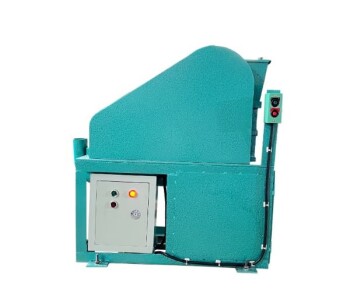
- Sealed Jaw Crusher High Efficiency Environmental Protection Safe and Reliable
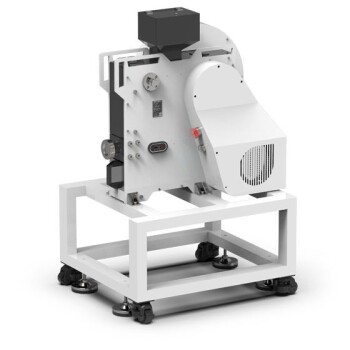
- Laboratory Jaw Crusher
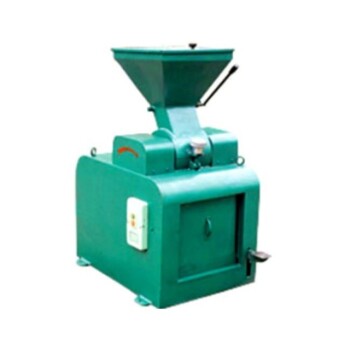
- Laboratory Sealed Hammer Crusher for Efficient Sample Preparation
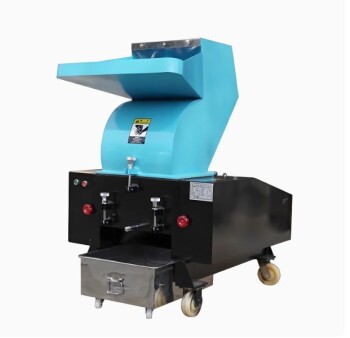
- Powerful Plastic Crusher Machine
- Mini Planetary Ball Mill Machine for Laboratory Milling
People Also Ask
- How does a jaw crusher contribute to the primary processing of slate waste? Optimize Your Size Reduction Workflow
- What is the primary function of a jaw crusher in ore pre-treatment? Optimize Your Magnesite & Limonite Processing
- What is the use of jaw crusher in laboratory? The Essential First Step for Sample Reduction
- What is a laboratory crusher? The First Step to Accurate Sample Analysis
- What is a jaw crusher for labs? The Essential First Step for Accurate Sample Analysis