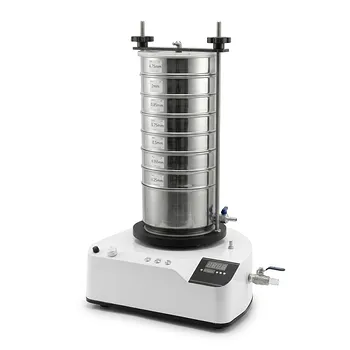
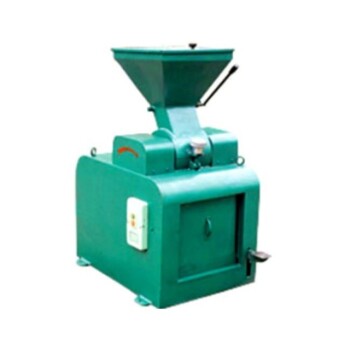
Mechanical crushing and sieving systems act as the critical physical activation step in the pre-treatment of plastic for photoreforming. By pulverizing large-scale plastic waste—such as PET or PLA—into micron-scale powders, these systems fundamentally alter the material's physical state to enable efficient chemical degradation.
By drastically increasing the specific surface area of the waste, mechanical pre-treatment lowers the energy barrier for degradation and creates the essential physical conditions required for effective photocatalysis.
Transforming Waste for Reactivity
From Macro to Micro
The primary function of these systems is distinct size reduction. They take macroscopic plastic waste and mechanically process it into fine, micron-scale powders.
Establishing Uniformity
Sieving plays a vital role in quality control. It filters the crushed material to ensure a consistent particle size distribution, preventing large, unreactive fragments from entering the reaction vessel.
Optimizing the Chemical Environment
Maximizing Catalyst Contact
Photoreforming is a surface-dependent process. Transforming plastic into powder exponentially increases its surface area, maximizing the physical contact between the plastic fragments and the photocatalyst.
Enhancing Dispersibility
Large plastic pieces are inert and difficult to manage in a liquid medium. Micron-sized particles exhibit significantly improved solubility and dispersibility, allowing the plastic to mix homogeneously within the reaction medium.
Lowering the Energy Barrier
Physical reduction aids chemical breakdown. By increasing the surface area and improving dispersibility, the system effectively lowers the activation energy required for the polymer to degrade, accelerating the subsequent reaction rates.
Understanding the Operational Trade-offs
Energy Intensity
Achieving micron-scale particle sizes requires high-energy mechanical input. Operators must calculate whether the energy expended in crushing is justified by the efficiency gains in the photoreforming stage.
Diminishing Returns
While smaller particles generally react faster, there is a practical limit. Extremely fine grinding increases processing time and equipment wear, potentially reaching a point where the marginal gain in reaction speed no longer offsets the pre-treatment cost.
Making the Right Choice for Your Process
To optimize your photoreforming workflow, consider the following based on your specific operational targets:
- If your primary focus is Reaction Velocity: Prioritize systems that produce the finest possible micron-powder to maximize surface area and minimize diffusion limitations.
- If your primary focus is Net Energy Efficiency: Balance the degree of pulverization; aim for a particle size that is "small enough" to disperse well without expending excessive energy on ultra-fine grinding.
Ultimately, mechanical pre-treatment is not merely a resizing step; it is the foundational process that dictates the kinetic viability of the entire plastic photoreforming operation.
Summary Table:
| Process Phase | Function | Key Impact on Photoreforming |
|---|---|---|
| Mechanical Crushing | Macro-to-micro size reduction | Drastically increases specific surface area |
| Precision Sieving | Particle size uniformity control | Prevents unreactive fragments from entering the reactor |
| Material Activation | Surface area maximization | Lowers energy barriers and accelerates reaction rates |
| Medium Dispersion | Enhanced solubility | Ensures homogeneous mixing with photocatalysts |
Optimize Your Plastic Upcycling with KINTEK Precision Equipment
Transitioning from waste to high-value chemicals requires the right physical foundation. KINTEK specializes in advanced industrial-grade crushing and milling systems, high-precision sieving equipment, and high-pressure reactors designed to bridge the gap between mechanical pre-treatment and chemical transformation.
Whether you are processing PET, PLA, or complex polymers, our tools provide the consistency needed to maximize catalyst contact and reaction efficiency. From ultra-fine pulverization to precise thermal control, we empower laboratories and industrial researchers with reliable equipment and consumables like crucibles, ceramics, and PTFE products.
Ready to scale your photoreforming efficiency? Contact KINTEK today for expert guidance and tailored solutions!
References
- Xiandi Zhang, Lawrence Yoon Suk Lee. Crucial role of pre-treatment in plastic photoreforming for precision upcycling. DOI: 10.1038/s44296-024-00045-5
This article is also based on technical information from Kintek Solution Knowledge Base .
Related Products
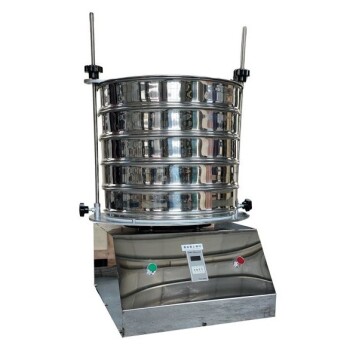
- Laboratory Test Sieves and Sieving Machines
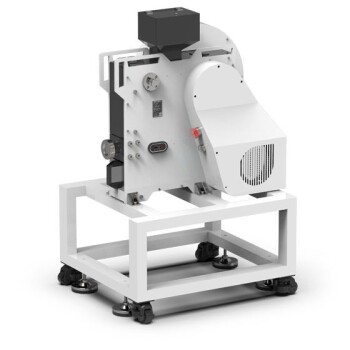
- Laboratory Jaw Crusher
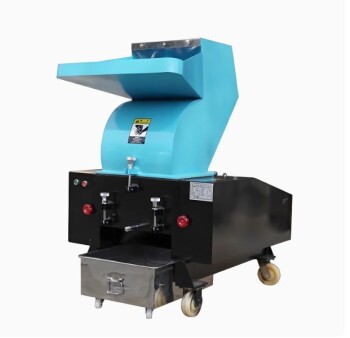
- Powerful Plastic Crusher Machine
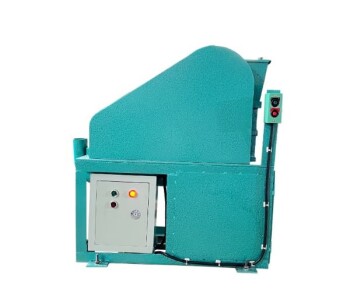
- Sealed Jaw Crusher High Efficiency Environmental Protection Safe and Reliable
- Laboratory Vibratory Sieve Shaker Machine for Dry and Wet Three-Dimensional Sieving
People Also Ask
- What are laboratory test sieves used for? A Guide to Particle Size Analysis
- How do you calculate the sieve test? Master Particle Size Distribution for Quality Control
- How does a lab test sieve contribute to biomass charcoal powder preparation? Achieve Uniform Particle Size
- What are the specifications for test sieves? A Guide to ASTM & ISO Standards for Accurate Particle Analysis
- What materials are required for sieving? Achieve Accurate Particle Size Analysis