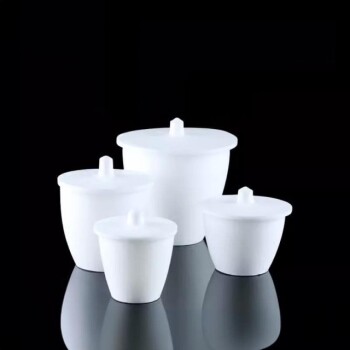
The primary function of a graphite crucible with a tight-fitting lid in carbothermic reduction smelting is to engineer a contained, local reductive micro-environment. While the graphite structure withstands extreme thermal loads, the lid’s tight seal strictly manages the internal atmosphere to ensure the chemical reduction of ilmenite concentrate occurs efficiently.
The success of smelting ilmenite relies heavily on isolating the reaction from the external furnace environment. A tightly sealed graphite crucible ensures this by preventing the loss of reductant to outside air and forcing generated carbon monoxide to interact directly with the ore.
Creating the Essential Micro-Environment
The Role of Graphite
The crucible serves as the physical vessel for the reaction, chosen specifically for its material properties. Graphite offers excellent high-temperature resistance, allowing the vessel to maintain structural integrity during the intense heat of the smelting process.
Isolating the Atmosphere
The critical "micro-environment" is established by the tight-fitting lid. This mechanical seal separates the internal chemistry of the ore and reductant from the general atmosphere of the furnace. This isolation is the defining factor in the success of the reduction process.
Mechanisms of Efficient Reduction
Preventing Reductant Loss
A primary function of the lid is to stop the intrusion of external air. If oxygen from outside the crucible enters, it reacts with the solid reductant (carbon) prematurely. By blocking external air, the crucible ensures the reductant is consumed solely for reducing the ore, rather than burning off uselessly.
Maximizing Gas-Solid Contact
The reduction of ilmenite relies heavily on the presence of carbon monoxide (CO) gas generated within the crucible. The lid prevents this gas from escaping immediately.
By retaining the gas, the crucible ensures sufficient contact time between the reductant CO gas and the ore powder. This prolonged contact facilitates the necessary chemical changes required to convert the concentrate.
Understanding the Operational Dependencies
The Seal as a Single Point of Failure
The effectiveness of this setup is entirely dependent on the integrity of the mechanical fit between the crucible and the lid. The "trade-off" here is that the process does not rely on the ambient furnace atmosphere, placing the burden of chemical success on the containment vessel.
If the lid fits poorly, the micro-environment collapses. External air will intrude, accelerating reductant consumption, and the reducing gas will escape before it can fully process the ore, leading to lower yields or incomplete reduction.
Optimizing the Smelting Process
To ensure high-quality results in carbothermic reduction, consider the following based on the crucible's function:
- If your primary focus is Process Efficiency: Ensure the lid fit is precise to maximize the retention of Carbon Monoxide (CO), which drives the reduction reaction.
- If your primary focus is Material Economy: Verify the seal integrity to prevent external air intrusion, which preserves your reductant from being wasted on combustion.
By treating the crucible and lid as an atmospheric control system rather than just a container, you maximize the chemical potential of the smelting operation.
Summary Table:
| Feature | Primary Function | Impact on Smelting |
|---|---|---|
| Graphite Body | High-temperature resistance | Maintains structural integrity under extreme heat |
| Tight-Fitting Lid | Atmospheric isolation | Prevents reductant loss and blocks external oxygen |
| Internal Gas Retention | Maximizing CO contact | Facilitates efficient gas-solid reduction of ore powder |
| Mechanical Seal | Environmental control | Ensures the chemical potential of the smelting operation |
Maximize Your Smelting Precision with KINTEK
Achieving the perfect reductive micro-environment requires high-quality containment systems that withstand extreme thermal loads. KINTEK specializes in advanced laboratory equipment and high-performance consumables designed for precision material science. From our robust graphite crucibles and ceramic vessels to our industry-leading high-temperature furnaces (muffle, vacuum, and tube), we provide the tools necessary to ensure efficient carbothermic reduction and material processing.
Whether you are refining ilmenite or conducting complex battery research, KINTEK offers the expertise and the inventory—including crushing systems, hydraulic presses, and specialized electrodes—to elevate your laboratory's output.
Ready to optimize your smelting process? Contact our technical experts today to find the ideal equipment for your specific application!
References
- Kuralai Akhmetova, А.К. Касымжанова. Efficiency of Soda-Technology Carbothermal Smelting of Thermoactivated Ilmenite Concentrate with Aluminosilicate Mineralization. DOI: 10.3390/min15090906
This article is also based on technical information from Kintek Solution Knowledge Base .
Related Products
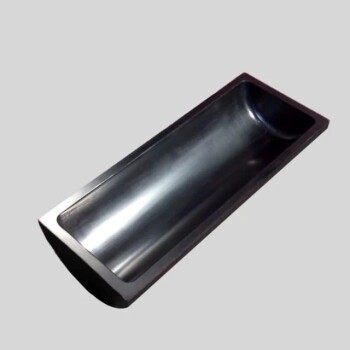
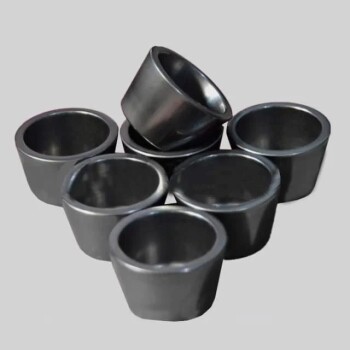
- High Purity Pure Graphite Crucible for Evaporation
- Carbon Graphite Boat -Laboratory Tube Furnace with Cover
- High Purity Pure Graphite Crucible for Electron Beam Evaporation
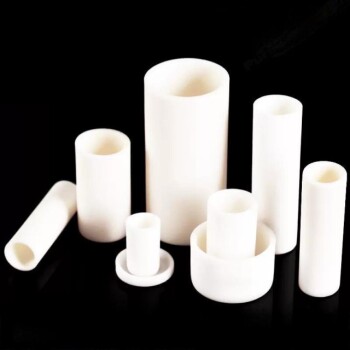
- Engineering Advanced Fine Ceramics Alumina Al2O3 Crucible With Lid Cylindrical Laboratory Crucible
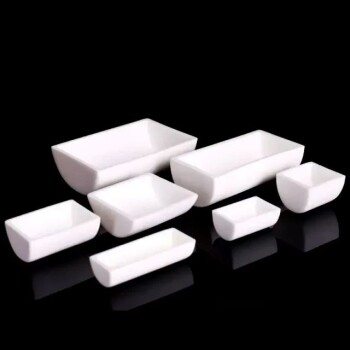
- Alumina Al2O3 Ceramic Crucible Semicircle Boat with Lid for Engineering Advanced Fine Ceramics
People Also Ask
- Why are high-purity graphite crucibles preferred for sulfide solid electrolytes? Achieve Superior Material Purity
- Why is a high-purity graphite crucible required for Chromel-TaC composites? Ensure Peak Purity at 1400°C
- What role do high-purity graphite crucibles play in molten salt corrosion research? Ensure Reactor-Grade Precision
- Why are high-purity graphite crucibles used for magnesium distillation? Ensure 3N8 Purity & Thermal Stability
- Why is a high-purity graphite crucible ideal for nitrogen-doped graphene at 1500 °C? Maximize Purity and Stability