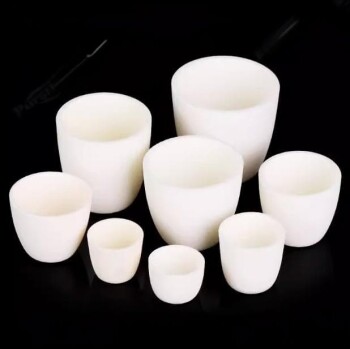
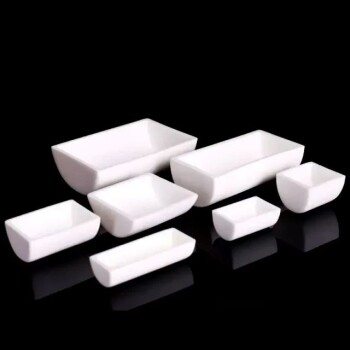
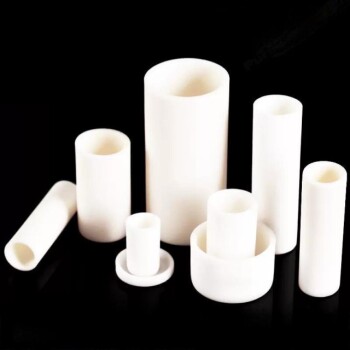
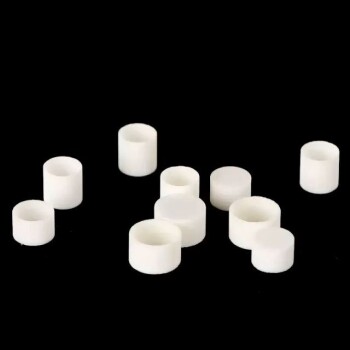
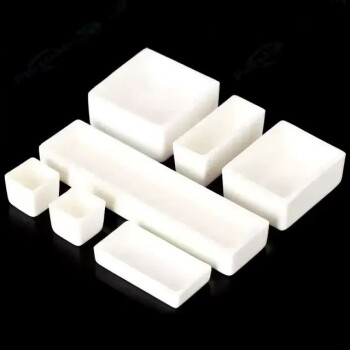
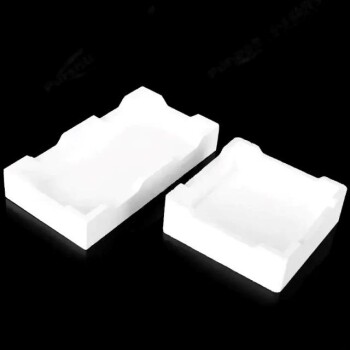
An alumina crucible acts as an inert, high-stability containment vessel critical for the thermal treatment of NCM622 surface coatings. It physically holds the coated powders during calcination processes ranging from 300°C to 800°C, ensuring the material undergoes necessary phase changes without reacting with the container itself.
In cathode material synthesis, the vessel is as important as the reactants. The alumina crucible’s primary function is to provide a neutral environment that resists high-temperature oxidation and prevents chemical leaching, thereby preserving the precise stoichiometry of the coating layer.
Thermal Stability Requirements
Handling the Calcination Window
The thermal treatment of NCM622 coatings requires a broad temperature window, specifically between 300°C and 800°C.
Alumina maintains structural integrity throughout this entire range. It does not soften or deform, ensuring uniform heat transfer to the powder bed.
Resistance to Oxidative Environments
Calcination often occurs in an oxygen-rich atmosphere to facilitate proper coating formation.
Alumina is inherently resistant to these high-temperature oxidative environments. Unlike metal containers that might scale or degrade, alumina remains stable, preventing particulate contamination from the vessel wall.
Chemical Inertness and Purity
Preventing Precursor Reaction
The coating process involves reactive agents, specifically lithium- or zirconium-based precursors.
A critical role of the alumina crucible is its lack of reactivity with these specific elements. If the crucible were to react with the lithium or zirconium, it would deplete the coating material and alter the intended composition.
Ensuring Compositional Integrity
The ultimate goal of the surface coating is to enhance the performance of the NCM622 cathode.
By remaining chemically passive, the alumina crucible ensures the compositional integrity of the final product. It guarantees that the chemicals added for the coating remain on the NCM622 surface rather than bonding to the crucible walls.
Understanding the Trade-offs
The Necessity of High Purity
While alumina is stable, the definition of "alumina" matters. To achieve the results described, the crucible must be of high purity.
Using lower-grade ceramics with binders or impurities can introduce contaminants back into the NCM622 powder, negating the benefits of the inert base material.
material Compatibility Constraints
The non-reactivity described is specific to the chemistries mentioned (Li/Zr precursors).
While excellent for this application, operators must ensure that any new or experimental precursors introduced in the future are equally compatible with alumina to avoid unexpected corrosion or cross-contamination.
Making the Right Choice for Your Process
To ensure the success of your NCM622 coating process, consider the following regarding your containment vessel:
- If your primary focus is Chemical Purity: Ensure your crucible is certified high-purity alumina to prevent trace contamination of the lithium or zirconium coating layers.
- If your primary focus is Process Consistency: Verify that your heating profile stays strictly within the 300°C to 800°C range to maximize the stability benefits of the alumina vessel.
Select a vessel that acts as a silent partner—present enough to hold the process, but inert enough to leave no trace.
Summary Table:
| Feature | Function in NCM622 Treatment | Benefit to Cathode Material |
|---|---|---|
| Temperature Range | 300°C – 800°C Stability | Maintains structural integrity during calcination |
| Chemical Inertness | Prevents Li/Zr Precursor Reaction | Preserves stoichiometry and coating purity |
| Oxidative Resistance | Stable in oxygen-rich environments | Eliminates particulate contamination and scaling |
| Material Purity | High-grade ceramic composition | Prevents trace element leaching into powders |
Elevate Your Battery Research with KINTEK
Precision in NCM622 surface coating requires more than just high temperatures; it demands the right containment environment. KINTEK specializes in premium laboratory equipment and high-purity consumables, including high-purity alumina crucibles, ceramics, and PTFE products designed for the most demanding thermal treatments.
From high-temperature muffle and tube furnaces to advanced battery research tools, we provide the reliable solutions needed for consistent, high-performance cathode synthesis.
Ready to optimize your lab's process and ensure material integrity? Contact our experts today to find the perfect fit for your research!
Related Products
- Arc-Shaped Alumina Ceramic Crucible High Temperature Resistant for Engineering Advanced Fine Ceramics
- Alumina Al2O3 Ceramic Crucible Semicircle Boat with Lid for Engineering Advanced Fine Ceramics
- Engineering Advanced Fine Ceramics Alumina Al2O3 Crucible With Lid Cylindrical Laboratory Crucible
- Engineering Advanced Fine Ceramics Alumina Crucibles (Al2O3) for Thermal Analysis TGA DTA
- Engineering Advanced Fine Alumina Al2O3 Ceramic Crucible for Laboratory Muffle Furnace
People Also Ask
- Why Use Alumina Crucibles & Powder Burial for NaSICON? Ensure Phase Purity and Prevent Elemental Volatilization
- What is the primary purpose of using alumina crucibles for LLTO ceramics? Optimize Your High-Temperature Sintering
- Why are alumina crucibles and mother powder essential for LATP sintering? Optimize Your Solid Electrolyte Performance
- Why are high-purity alumina crucibles used for liquid lead corrosion experiments? Ensure Data Accuracy at 550°C
- Primary considerations for choosing alumina crucibles and quartz tubes in indium intercalation: Ensure Material Purity