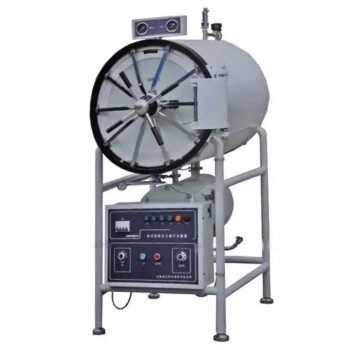
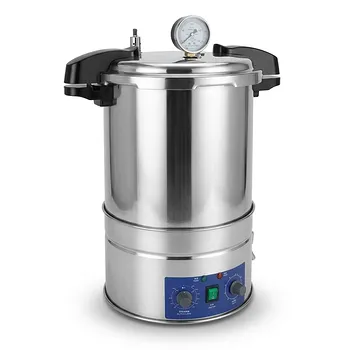
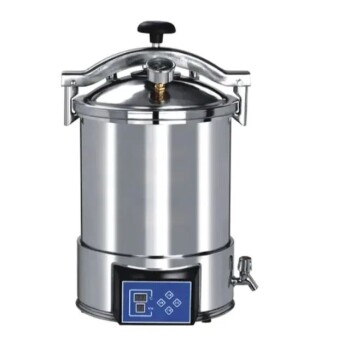
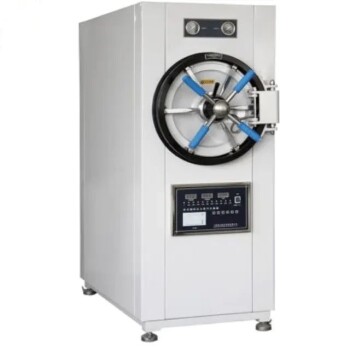
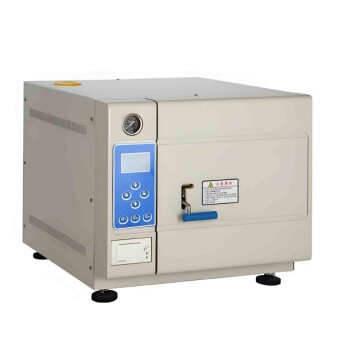
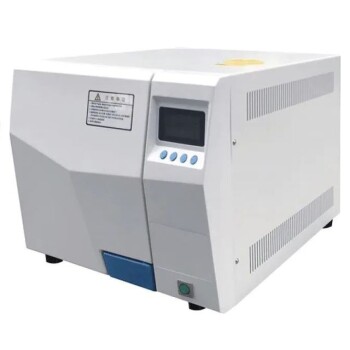
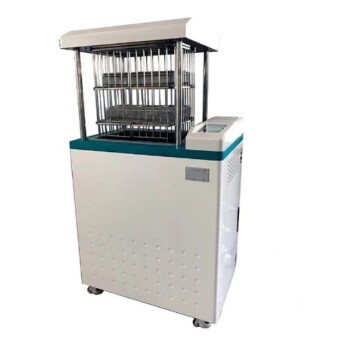
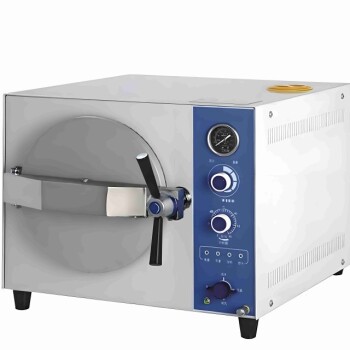
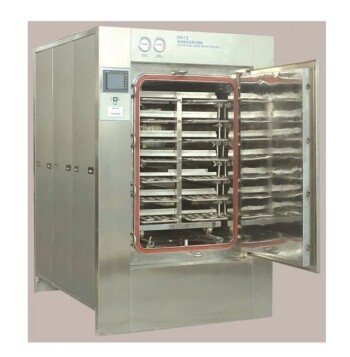
To simulate the harsh environment of a Pressurized Water Reactor (PWR) primary circuit for testing nickel-based alloys, an industrial-grade autoclave can reproduce temperatures up to 360°C and pressures up to 20 MPa. Beyond physical stress, these systems utilize solution circulation to maintain precise water chemistry, specifically controlling concentrations of Boron (B) and Lithium (Li), as well as Dissolved Hydrogen (DH) levels.
Core Takeaway The value of an industrial autoclave lies in its ability to replicate the entire ecosystem of a reactor, not just the heat and pressure. By stabilizing these physical variables alongside precise chemical controls, the system induces oxide film growth that matches actual service conditions, providing critical data on material longevity and corrosion resistance.
Replicating Physical Extremes
High-Temperature Capabilities
For accurate simulation, the autoclave must exceed standard operating limits to test safety margins. These units can generate and sustain temperatures of 360°C (approx. 680°F). This thermal environment is essential for accelerating aging processes and testing the thermal stability of nickel-based alloys.
Pressure Simulation
To match the compressive forces found in a primary circuit, the equipment is capable of pressurizing the environment up to 20 MPa. This high-pressure setting ensures that the water remains in a liquid phase despite the extreme heat, replicating the exact phase conditions of a PWR.
Precision Water Chemistry Control
Chemical Additives
The most critical aspect of testing nickel alloys is the water chemistry. The system allows for the precise injection and maintenance of Boron (B) and Lithium (Li) concentrations. These elements are standard in PWR coolants for reactivity control and pH buffering, respectively, and significantly influence corrosion rates.
Dissolved Gas Management
The autoclave controls Dissolved Hydrogen (DH) levels within the simulated primary water. Hydrogen is a key variable in mitigating radiolysis and controlling the electrochemical potential (ECP) of the materials. Variations in DH levels are used to study their specific impact on the integrity of the alloy's oxide film.
The Goal: Realistic Material Evolution
Inducing Oxide Film Growth
The primary objective of combining these conditions is to grow oxide films that are identical to those formed during actual reactor operation. By stabilizing the environment, researchers can observe how protective layers form or fail over time.
Assessing Cold Work Effects
These simulated conditions are particularly useful for studying structural variables. They allow researchers to evaluate how cold working (mechanical stress applied during manufacturing) interacts with the corrosive environment to affect the growth and protection of the oxide film.
Understanding the Trade-offs
Dynamic vs. Static Complexity
While dynamic circulation provides the most accurate simulation by replenishing chemicals, it adds significant complexity to the setup. Maintaining precise chemistry (like conductivity and pH) in a flowing loop requires advanced pumping and monitoring systems compared to simpler static immersion tests.
Operational Limits
While the autoclave simulates the conditions of a reactor, it cannot perfectly replicate the radiation field (neutron flux) of an operating core. Therefore, while corrosion and thermal stress data are highly accurate, degradation related specifically to irradiation-assisted stress corrosion cracking (IASCC) requires extrapolation or separate testing methods.
Making the Right Choice for Your Goal
To get the most out of your simulation testing, align your equipment settings with your specific research objectives:
- If your primary focus is Oxide Film Integrity: Prioritize the precise control of Dissolved Hydrogen (DH) levels, as this directly influences the electrochemical potential and stability of the film.
- If your primary focus is Mechanical Durability: Ensure your testing protocol incorporates cold worked samples to see how manufacturing stresses accelerate degradation under the 360°C/20 MPa conditions.
- If your primary focus is Coolant Compatibility: Focus on the stability of the Boron and Lithium concentrations to ensure the chemical attack mimics the specific water chemistry of your target reactor design.
Successful material qualification relies on the fidelity of the simulation—ensure your autoclave parameters mirror the exact service environment of your target PWR design.
Summary Table:
| Simulation Variable | Operational Range/Element | Purpose in PWR Testing |
|---|---|---|
| Temperature | Up to 360°C | Accelerates aging & tests thermal stability |
| Pressure | Up to 20 MPa | Maintains liquid phase at high temperatures |
| Chemistry | Boron (B) & Lithium (Li) | Replicates reactivity control & pH buffering |
| Dissolved Gas | Dissolved Hydrogen (DH) | Controls electrochemical potential (ECP) |
| Material State | Cold Work Samples | Evaluates manufacturing stress effects |
Elevate Your Nuclear Material Research with KINTEK
Precise simulation of PWR primary circuit environments requires high-performance hardware. KINTEK specializes in advanced laboratory solutions, including high-temperature high-pressure reactors and autoclaves engineered to withstand 360°C and 20 MPa while maintaining delicate chemical balances.
Whether you are studying oxide film growth on nickel-based alloys or the effects of cold working under stress, our comprehensive portfolio—from corrosion-resistant electrolytic cells to precision crushing and milling systems—ensures your lab has the tools needed for accurate, repeatable data.
Ready to optimize your testing protocols? Contact our technical experts today to find the perfect autoclave system for your research goals.
References
- 輝星 金. Electrochemical Characterization of Passive Films Formed on Ni Based Alloys. DOI: 10.18910/54006
This article is also based on technical information from Kintek Solution Knowledge Base .
Related Products
- Customizable High Pressure Reactors for Advanced Scientific and Industrial Applications
- Stainless High Pressure Autoclave Reactor Laboratory Pressure Reactor
- Laboratory High Pressure Steam Sterilizer Vertical Autoclave for Lab Department
- Mini SS High Pressure Autoclave Reactor for Laboratory Use
- Laboratory High Pressure Horizontal Autoclave Steam Sterilizer for Lab Use
People Also Ask
- What is the function of high-pressure reactors in the synthesis of MFI-type zeolites? Master Dry Gel Conversion.
- Graphene Fiber Synthesis: Key High-Pressure Reactor Processing Conditions Explained
- What is the primary function of a high-pressure reactor in NiMoO4 preparation? Optimize Hydrothermal Catalyst Synthesis
- What reactor is used for high pressure reactions? Select the Right Autoclave for Your Lab
- What are the hazards of high pressure reactors? A Guide to Managing Explosive Risks